The Iranian Minister of Cultural Heritage, Tourism and Handicrafts called for the launch of a national program to record and document oral history across all 31 provinces of the country. He emphasized that this initiative is crucial for preserving the nation's historical and cultural memory.
Seyed Reza Salehi Amiri made these statements in a message released on the occasion of the opening of the ministry's first practical training seminar on oral history. The opening ceremony of the seminar, where the message was read by Golamreza Zarifian, head of the Oral History Policy Council, was reported by the Mehr news agency on Thursday.
Salehi Amiri defined oral history as a method for documenting, analyzing, and protecting the collective memory of the nation, stressing the need for systematic recording of experiences, knowledge, stories, and events related to cultural heritage, tourism, and handicrafts.
In his message, he stated that future generations will build Iran's tomorrow based on the documentation of current events. Expanding oral history projects to all 31 provinces was described as a strategic necessity for protecting Iran's historical, cultural, and social heritage and forming a more complete national picture of changes in these three sectors.
The Minister noted that a significant portion of knowledge and experience related to these fields has been formed within local and regional communities. Failure to document such material could lead to the loss of an important part of the country's historical wealth.
The Minister insisted that oral history should not be limited to the central administration of the ministry, a few provinces, or widely known historical narratives. Instead, he called for the implementation of a nationwide program gradually and taking into account the specific capabilities and characteristics of each province.
Achieving this goal will require the creation of a unified scientific methodology and a coordinated national structure that allows provinces to record their unique experiences and narratives while adhering to general research standards. Key measures include developing national guidelines for oral history, defining research priorities, selecting significant interviewees, establishing appropriate sampling methods, and using standardized questionnaires.
According to the report, the process must also include accurate recording and transcription of interviews, verification of information, documentation of sources, expert evaluation, preservation of original files, and creation of standardized metadata. Salehi Amiri also stressed the importance of training provincial researchers and interviewers, as well as strengthening cooperation between provincial authorities, universities, research centers, professional associations, and local cultural institutions.
He added that ethical research norms must be observed throughout the process, including obtaining informed consent from interviewees, protecting their intellectual and material rights, and establishing clear rules governing the storage, access, and publication of their stories.
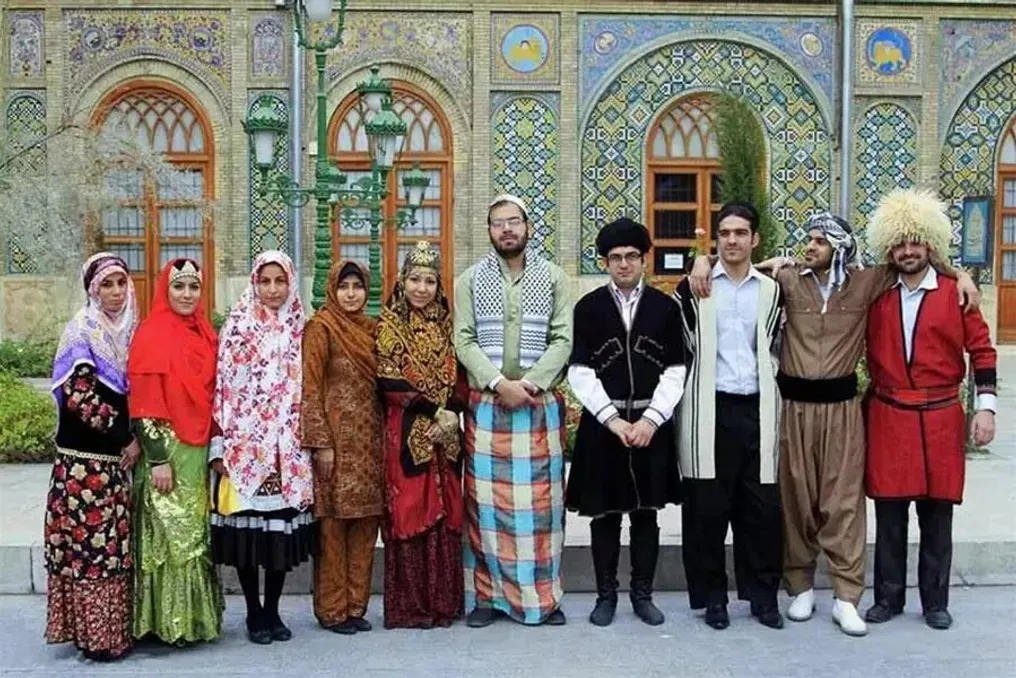
The proposed program should reflect Iran's historical, cultural, linguistic, social, and geographical diversity, ensuring the representation of the experiences of various social groups in the national oral history collection. These groups may include veterans and experienced specialists, former and current managers, artisans and craft practitioners, tourism specialists, cultural heritage workers, and local communities.
Salehi Amiri emphasized that the initiative must go beyond simply collecting interviews and lead to the creation of useful and reliable materials such as books, documentaries, audio and video programs, portraits, exhibitions, and educational content. According to him, such results could help integrate local narratives into a broader understanding of Iran's national history, strengthen cultural identity, document the development of tourism and handicrafts, and provide information to support future policies.