The Western Cape Education Department (WCED) has stated that contingency plans have been developed to protect students and teachers, as well as to minimize disruptions to the National Senior Certificate examinations amid outbreaks of gang violence and protests in certain areas of the province.
Since the National Senior Certificate exams are underway, WCED reported that the examination system is supported by specially designated staff at provincial, district, and circuit levels who are ready to respond promptly.
Gang violence has affected communities such as Bonteheuwel and Strandfontein, while protests in Tafelberg have impacted access to educational institutions. School principals who issued public letters noted that law enforcement agencies are patrolling the area and that appropriate emergency plans are in place.
WCED's preparation for potential exam disruptions
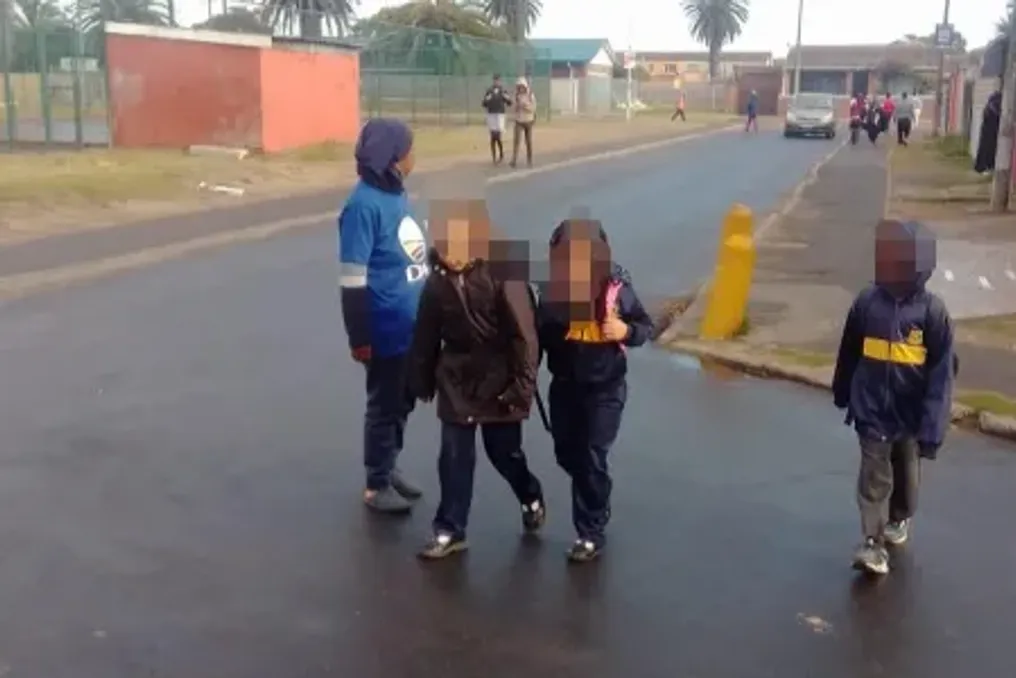
In Tafelberg and Mitchells Plain, protests following the murder of a young woman whose body was burned beyond recognition were accompanied by tire burning and stone-throwing. Children attending schools near protest sites were forced to travel home accompanied by parents after authorities blocked roads.
A protocol for joint implementation of safety measures in schools was launched in 2025 by Minister of Basic Education Sivive Gwarube and suspended Minister of Police Senzo Mchunu. The 'Safe Schools' protocol aims to combat violence, crime, and insecurity within and around educational institutions.
This protocol emphasizes shared responsibility, including the integration of civil society organizations, parents, school governing bodies, and students themselves into the school safety system. Mchunu had previously stated that 283 schools across the country were identified as high-risk zones, where increased visible police presence would be deployed in these communities.
WCED representative Bronagh Hammond reported that despite the ongoing NSC exams, there are plans in place to ensure external factors do not affect them. Hammond clarified that the system relies on experienced staff at all levels—provincial, district, and circuit—who possess extensive experience in responding to such incidents quickly.
She added: 'WCED examination teams have a high level of experience and have well-rehearsed contingency plans to address a wide range of unexpected situations that may arise during the National Senior Certificate exams.' These circumstances include weather-related issues, gang-related incidents, protests, transport difficulties, power outages, and situations where candidates cannot reach examination venues.
Deployment of police and LEAP resources in high-risk areas
'In areas experiencing gang activity, WCED maintains close contact with the South African Police Service, local security structures, and other relevant authorities to monitor potential threats and determine the need for additional measures,' Hammond stated.
Anruks Mareis, a member of the executive committee for police oversight and public safety, confirmed this, saying the protocol signifies full mobilization of forces. She noted: 'Law enforcement operations have been intensified in areas where shootings have increased, numerous arrests have been made, and firearms have been confiscated. Additional police resources have also been directed to affected areas to restore stability.'
Cape Town reported that its LEAP officers have been deployed to crime and gang hotspots. The city responded to questions from Vanessa Le Roux, founder of Parents for Equal Education SA (PEESA), regarding the presence of LEAP officers in gang activity zones as follows: 'Their deployment is determined by SAPS crime statistics, so LEAP officers are currently located in Delft, Khayelitsha, Philippi East, Nyanga, Mitchells Plain, and Gugulethu, as these police districts are the most affected in terms of murders, attempted murders, and other serious and violent crimes.'
Violence affects student access to school
In Bonteheuwel, district councillor Angus Mackenzie reported that they even suspended their election campaign to ensure safe escort of students to school. He noted: 'Gang violence can affect how children take exams; it undermines their confidence. Many years ago, when there was such a situation in Bonteheuwel, we observed a very low pass rate; we never saw children staying in the education system. We made exceptional efforts to make Bonteheuwel safer.'
He continued: 'When we saw the results, we noticed an increase in the pass rate and student retention. More children finished school than in previous years. When gang violence intensified in the area in recent days, it was critically important that law enforcement was fully engaged.'
Cape Argus correspondent Tracy-Lynn Reuters personally encountered how violence and protests can affect students. She accompanied a fourth-grade student to school after the street was cordoned off. The protests were related to the murder of a young woman.
'When Cape Argus covered this story, a little fourth-grade girl was stopped by SAPS officers and told she couldn't go further because they were burning tires and throwing stones,' she recounted. 'This girl sat crying on the roadside. We approached her and asked if she knew her parents' phone number, and we went with her. Then we took her to school, and they contacted her parents. The next day, when we checked on her condition, the secretary said she had safely gotten home and did not come to school the next day, likely due to all the stress she experienced.'
A teacher from Mitchells Plain also spoke about how protocols are followed during increased gang violence. He reported that during such situations, lunch breaks or even walking around the school grounds are prohibited: 'If the area became hostile due to shooting right outside the school gates, or if children were injured, they would announce protocols over the intercom, which prohibits children from completing tasks, using the restroom, or leaving the classroom.'
}} , 3. {