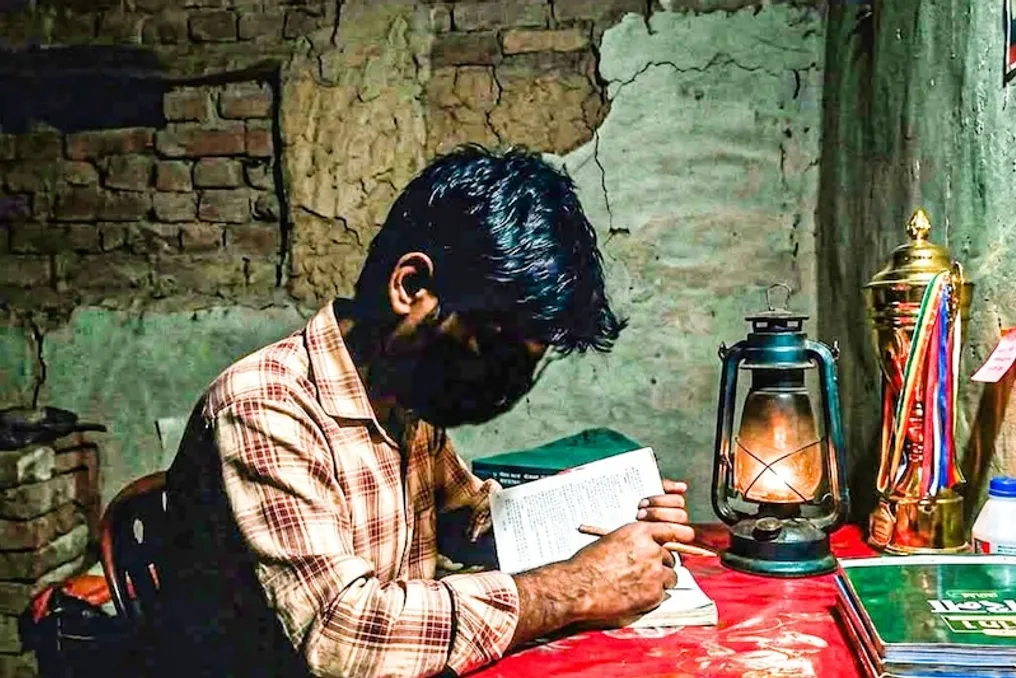
IIT Graduate Starts Startup After JEE Failure and Attracts 90 Million Rubles in Investment
Read more
Aaj Tak
www.aajtak.in

IIT Graduate Starts Startup After JEE Failure and Attracts 90 Million Rubles in Investment

Not all life stories end with achieving the highest score or successfully passing entrance exams. Sometimes life offers unexpected paths. This is the story of Kuldeep Rathore, who, despite failing the JEE, did not give up and became a successful startup founder.

After Kuldeep was unable to pass JEE Advanced, he took a year off, and his journey continued in a new, exciting direction. In September 2023, he enrolled in the Data Science undergraduate program at Madras IIT. The flexible format of this online course allowed him to combine his studies with starting an entrepreneurial venture.

Kuldeep experimented in various sectors, including manufacturing, quick commerce, and fashion. His latest initiative, 'SamanNow', recently attracted funding of $1.1 million (equivalent to approximately 90 million rupees) in a pre-seed round. These funds were secured from major venture capital firms such as Antler, Titan Capital, and All In Capital.

In May 2024, Kuldeep, along with his co-founder, launched 'Zodok' in Pune, a fast-commerce startup focused on fashion. Initially, both founders rented an apartment near the Zepto dark store, built a website themselves, and managed operations to ensure fast delivery of goods to customers. Thanks to these efforts, 'Zodok' began receiving about 100 orders daily, and over 10,000 people joined as users. Later, this startup was acquired by KNOT, which allowed Kuldeep to deepen his experience in e-commerce and business operations.

After the acquisition, Kuldeep joined 'KNOT' as an entrepreneur-in-residence. He gained the opportunity to study the Indian manufacturing and SME ecosystem in detail. He developed a supply chain with over 100 manufacturers from Surat, Delhi-NCR, and China, and also helped launch two private brands that achieved a 90% sales rate.

Building on this experience, Kuldeep founded 'SamanNow'. This startup is a value-oriented quick commerce service focusing on delivering daily necessities within 60 minutes in second and third-tier cities. The project aims to simplify and lower the cost of purchasing in developing urban markets outside of megacities.

Kuldeep explains his success through the flexible Madras IIT program, which gave him the freedom to pursue his business dreams parallel to his studies. His story serves as an important lesson for students disappointed by exam results. Kuldeep's journey demonstrates that one exam does not define a person's destiny; with perseverance, practical experience, and hard work, new doors to success can open that one previously did not know existed.
Similar stories

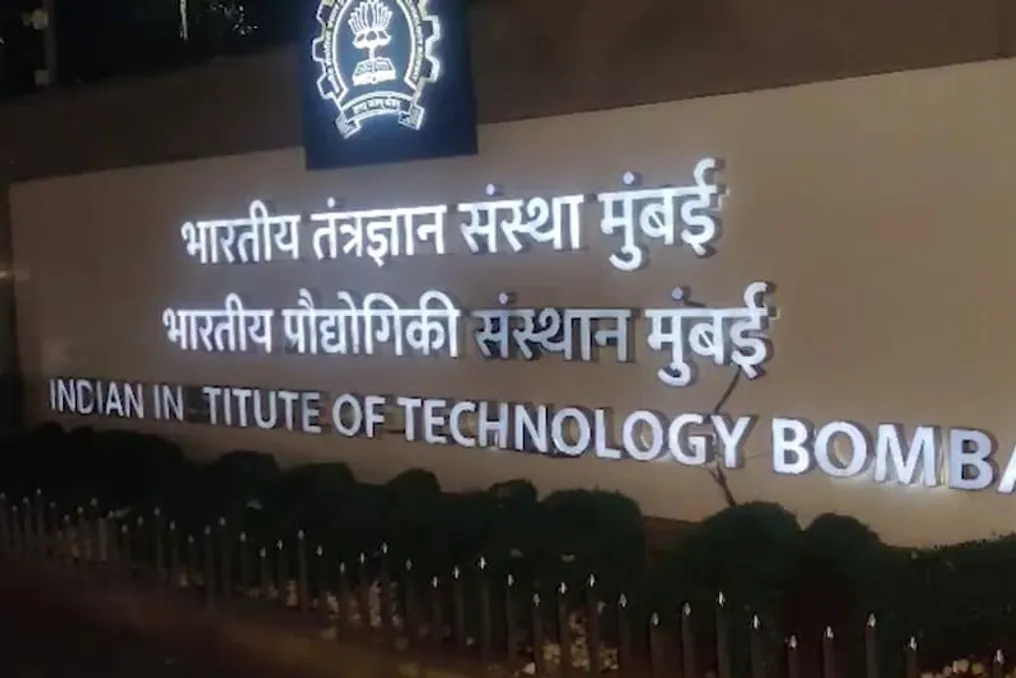
After Sahil Wakode's case, IIT Bombay changed rules: asking students about rank or caste is prohibited
Read more
www.aajtak.in

After Sahil Wakode's case, IIT Bombay changed rules: asking students about rank or caste is prohibited

The Indian Institute of Technology (IIT) Bombay has issued a 'Anti-Discrimination Handbook' for students, faculty, and campus staff. According to these directives, it is forbidden to ask any student for information regarding their caste, admission category, or entrance exam rank, as this may lead to direct or indirect discrimination.

This institutional move followed approximately one month after the alleged suicide of student Sahil Wakode (22 years old). Following Sahil's death, his parents filed accusations against a professor regarding racial discrimination.

The new rules stipulate that questioning a peer about their caste or admission category is inappropriate, as it can unintentionally foster prejudice. The email also clearly stated that requesting information about JEE (Advanced) ranks or GATE scores from students that reveals their caste or related details is unacceptable. The letter from the Dean of Student Affairs emphasized that even if the question is asked out of pure curiosity, such inquiries can have a negative impact and be considered discriminatory.

Under these guidelines, sending or forwarding any derogatory, hate speech, racist, gender-discriminatory, or religiously and sexually biased jokes or messages via WhatsApp, Facebook, email, or in person is strictly prohibited. The warning states that such actions will be treated as harassment or bullying, and violators will face strict measures.

The institute advised students to build connections with each other based on common interests such as departments, sports, music, cinema, household chores, and hobbies.

Sahil Wakode's body was found in his hostel on September 18th. It was presumed that he took this step after being caught cheating during an intermediate examination. Protests have since begun on campus. The institute claims that this new directive is part of efforts to strengthen student welfare and enhance the transparency of administrative processes. Meanwhile, student protests continue at the main gates of IIT Bombay, where they demand a direct dialogue with the administration regarding student well-being.

On the other hand, the deceased student's parents are conducting an indefinite sit-in protest at Azad Maidan, demanding accountability and decisive action from the institute's administration. The relatives accused Professor Suryanarayan Dulla of harassment and racial discrimination. Earlier this month, the police also questioned Professor Dulla for about 10 hours in connection with the alleged suicide.

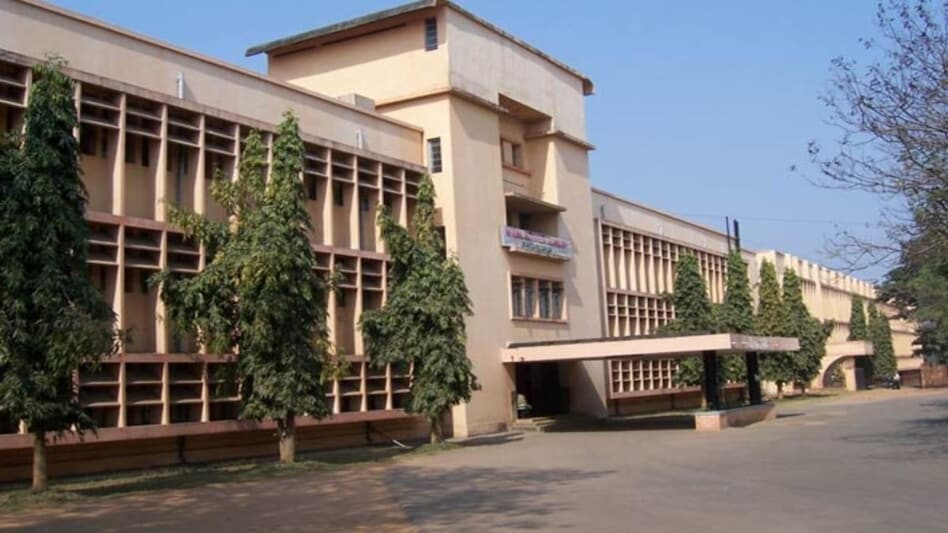
NIT Jamshedpur sets record by offering student a package worth 1.44 crore rupees
Read more
www.aajtak.in

NIT Jamshedpur sets record by offering student a package worth 1.44 crore rupees

When it comes to good jobs and high salaries for engineering students, IIT is often mentioned, but there are many other colleges that offer excellent packages and set new records.

Among such institutions is the National Institute of Technology (NIT). NIT Jamshedpur in the state of Jharkhand has set a new employment record for 2025. Everyone was amazed by the size of the package received by the student.

According to the data, a student studying Computer Science at this institution was offered an annual compensation of 1.44 crore rupees.

The employment statistics of NIT Jamshedpur generate great interest among applicants who dream of getting into IIT. This institution, located in Jharkhand, teaches fields such as computer science, electrical engineering, electronics, mechanical engineering, and civil engineering.

According to data published on the institute's official website, in 2025, one student received the largest annual package of 1.44 crore rupees. Meanwhile, the average package for students was 13.62 lakh rupees, and the median package was 11.26 lakh rupees. This significantly exceeds the figure of 75 lakh rupees for the largest package in 2024.

Jharkhand student appeals to government to allow a third attempt at JEE Advanced exam
Read more
www.aajtak.in

Jharkhand student appeals to government to allow a third attempt at JEE Advanced exam

Currently, thousands of people across the country are running social media campaigns demanding the opportunity to take a third JEE Advanced exam. One of the students participating in this campaign attempted to convey the true reason for this demand through his personal story. His account is presented below, with his identity kept confidential for privacy reasons.

He shared that he hails from Jharkhand and comes from a modest family for whom IIT represented not just a college name, but hope for a better life for both himself and his family. He learned about JEE quite late, not from friends in school or coaching centers, but through a distant relative living in Delhi who works in a large multinational corporation. It was from him that he first heard about institutions like IIT and that admission there could be the first step toward changing the student's and his family's lives.

By the time he learned about JEE, he had already taken his 12th-grade board exams. When he started understanding the essence of JEE, there were only about four months left until the first round of JEE Main. With such a tight schedule, he lacked proper guidance and sufficient resources for preparation, and he could not achieve a good result.

However, the dream of IIT did not fade. He decided to take a break (drop year) because he had always dreamed of studying at one of the leading IIT institutions. For a family in his situation, attending a good public institution is not just about education; it is a way to change their status. In the initial stage of preparation, the main problem was resources, as expensive courses were inaccessible to his family. During this period, before the April round, his father was transferred to a small village in Karnataka, and they had to move there. Despite constantly changing circumstances, he tried to continue his preparation.

Then came the day of JEE Advanced, a day he might never forget. Two days before the exam, one of his close relatives passed away. At the same time, he developed a high fever, around 103°F, and had to be hospitalized for a day. Doctors advised him not to take the exam. Nevertheless, he went to take the test anyway.

The result was a deterioration of his condition in the examination hall, and he nearly lost consciousness. People present there gave him Oral Rehydration Solution (ORS) and drinks, which affected his exam, which lasted about an hour. He could not demonstrate his true abilities in the exam he had prepared for for months. After this, he experienced deep disappointment and guilt. Many of his friends got into universities, but the fees for private colleges were unaffordable for his family, so he decided to take a second break.

Today, he demands a third chance at JEE Advanced not because he wants privileges, but because he desires equal opportunities. If JEE Main allows for three attempts, and exams like NEET, CUET, and AILET offer many possibilities, why are students limited to two attempts for JEE Advanced?

According to current rules, a candidate can take JEE Advanced a maximum of twice within two years: the first attempt in the year of 12th-grade board exams, and the second in the following year (gap year). A third attempt is not permitted after that. His demand is to allow three attempts at JEE Advanced over three consecutive years. If this is not possible, he suggests considering two attempts over three consecutive years. For him, IIT is not just an educational institution; it is hope for improving his own future and that of his family. He simply wants one more chance to prove his abilities.

Popular