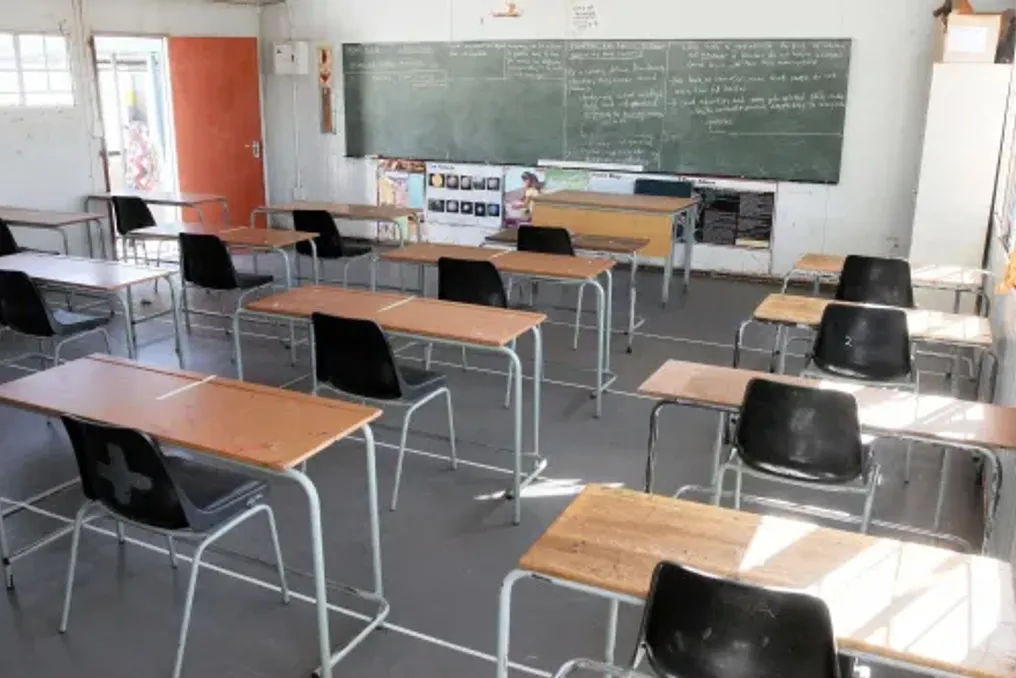
Irregular expenditures cause concern in South African educational institutions
Read more
IOL
iol.co.za

Irregular expenditures cause concern in South African educational institutions

Three key educational institutions in South Africa have shown an increase in irregular expenditures to 96.3 million rand, while the Department of Basic Education (DBE) failed to spend millions allocated for school infrastructure.

According to the Auditor-General's report for the 2025/26 financial year, irregular expenditure in the DBE, the South African Council for Educators (SACE), and Umalusi increased from 79.9 million rand compared to the previous year, despite ongoing efforts to strengthen financial control.

During a parliamentary briefing on Tuesday, DBE representatives explained the reasons for the non-utilization of infrastructure funds, and Umalusi admitted to compliance failures with financial norms that led to the loss of clean audit status.

These three organizations, which jointly managed a budget of approximately 38.3 billion rand, all received unqualified audit opinions with reservations.

Responding to questions about infrastructure funding, Bongani Shabangu, the acting Deputy Director-General of DBE for Infrastructure, stated that the department repeatedly approached the National Treasury because its infrastructure allocation exceeded expected costs for available projects.

He told the committee: 'We constantly engaged with the National Treasury regarding the fact that the budget would be too large for the projects we have in the infrastructure sector.'

Shabangu added that the department proposed redirecting some funds to other urgent needs of school infrastructure, but the Treasury expressed concerns about the long-term nature of construction projects.

As a result, an agreement was reached to allocate infrastructure funding to a reserve for sanitation projects in schools in the provinces of KwaZulu-Natal, Eastern Cape, and Limpopo.

'These reserved funds are specifically designated for the three rural provinces: KwaZulu-Natal, Eastern Cape, and Limpopo,' he clarified. Shabangu emphasized that the DBE would closely monitor the spending of these funds and the completion of the projects.

He also commented on the under-expenditure of infrastructure funds in KwaZulu-Natal, explaining that about 400 million rand was not spent due to additional allocation for storm-affected schools, which was approved late in the financial year. Shabangu noted that the province, with the department's assistance, managed to apply for an extension of these funds, and such extensions were approved.

The Auditor-General's report identified irregular expenditure amounting to 75.8 million rand related to earlier infrastructure contracts. An additional 13.3 million rand arose from improper procurement of educational services under the Basic Education Employment Initiative and overpayments to unauthorized recipients.

Umalusi, the body responsible for quality assurance in general and higher education and training, registered 6.3 million rand in irregular expenditure after exceeding the approved budget.

Chief Financial Officer Hendrik van der Walt admitted that the institution delayed submitting its financial statements, which contributed to the loss of clean audit status. He told the committee: 'It is a sad day when we were forced to submit our financial statements late.'

Van der Walt explained that internal difficulties caused the delay in submission, although he insisted that it did not significantly affect the external audit. He clarified that Umalusi recorded a surplus of 3.8 million rand because income exceeded expenses, but nevertheless spent more than allowed by the approved budget.

He mentioned that a corrective budget was submitted in March for ministerial approval, but further changes in income and expenditure before the end of the financial year led to the identification of irregular expenditure. Van der Walt assured: 'We have already implemented corrective measures so that this never happens again.'

He added that Umalusi presented the minister with a detailed action plan for auditing with corrective measures, which will be monitored quarterly as the institution strives to restore clean audit status in 2026/27.

SACE also received an unqualified audit opinion with reservations. The Auditor-General identified weaknesses in procurement and contract management, revenue collection, and preventing irregular expenditure.

According to the report, the council failed to take effective measures to collect all its due funds and did not comply with certain procurement requirements. During the briefing, Tuzana Sophete, the acting head of SACE for ethics and professional development, indicated that the institution would need to consult its chief financial officer before responding to the raised financial issues.
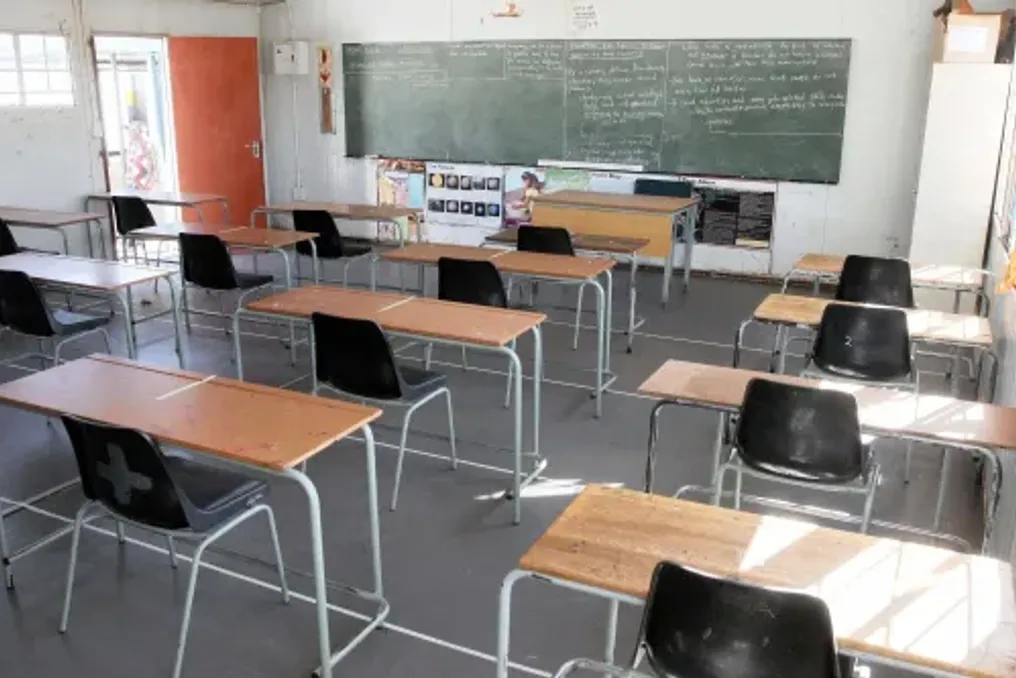

Similar stories

Irregular expenditures in DBE, SACE, and Umalusi rose to R96.3 million
Read more
iol.co.za

Irregular expenditures in DBE, SACE, and Umalusi rose to R96.3 million

Irregular expenditures in three key South African educational institutions reached R96.3 million. Furthermore, the Department of Basic Education (DBE) was unable to spend millions allocated for school infrastructure.

According to the Auditor-General's report for the 2025/26 financial year, irregular expenditure in the DBE, South African Council for Educators (SACE), and Umalusi increased from R79.9 million in the previous year, despite efforts to strengthen financial control.

During a parliamentary briefing on Tuesday, DBE representatives explained why infrastructure funds remained unused, while Umalusi acknowledged compliance failures that led to the loss of its unqualified audit opinion.

Collectively, these three institutions managed a budget of approximately R38.3 billion, and all received unqualified audit opinions with qualifications.

Responding to questions about infrastructure funding, Bongani Shabangu, the acting Deputy Director-General of DBE for Infrastructure, stated that the department had repeatedly approached the National Treasury because its infrastructure allocation exceeded expected costs for available projects.

He told the committee: 'We have constantly engaged with the National Treasury regarding the fact that the budget would be too large for the projects we have in the infrastructure sector.'

Shabangu added that the department proposed redirecting some funds to other urgent needs of school infrastructure, but the Treasury expressed concerns about the long-term nature of construction projects.

Subsequently, an agreement was reached to reserve infrastructure funding for sanitation projects in schools in KwaZulu-Natal, Eastern Cape, and Limpopo. Shabangu clarified that these targeted funds are specifically for the three rural provinces: KwaZulu-Natal, Eastern Cape, and Limpopo.

Bongani Shabangu noted that the DBE will closely monitor how funds are spent and which projects are completed. He also commented on the underspending of infrastructure funds in KwaZulu-Natal, explaining that about R400 million was not spent due to additional allocation for storm-affected schools, which was approved late in the financial year. Shabangu reported that 'the province, with our assistance, was able to apply for the transfer of these funds, and these transfers were approved.'

The Auditor-General's report identified irregular expenditure of R75.8 million related to earlier infrastructure contracts. An additional R13.3 million arose from improper procurement of educational services under the Basic Education Employment Initiative and overpayments to unauthorized recipients.

Umalusi, the body responsible for quality assurance in general and higher education and training, recorded R6.3 million in irregular expenditure after exceeding the approved budget. Its CFO, Hendrik van der Walt, admitted that the institution submitted its financial reports late, which contributed to the loss of its unqualified audit status.

Van der Walt told the committee: 'It is a sad day when we were forced to submit our financial reports late.'

He explained that internal issues delayed the submission, although he insisted that the delay did not significantly affect the external audit. Van der Walt clarified that Umalusi recorded a surplus of R3.8 million because income exceeded expenditure, but nevertheless spent more than the approved budget allowed.

He mentioned that the budget adjustment was presented to the minister for approval in March. However, further changes in income and expenditure before the end of the financial year led to the identification of irregular expenditure. Van der Walt assured: 'We have already implemented corrective measures so that this never happens again.'

He added that Umalusi presented the minister with a detailed plan of audit actions with corrective measures, which will be monitored quarterly while the institution works to restore its unqualified audit status in 2026/27.

SACE also received an unqualified audit opinion with qualifications. The Auditor-General identified weaknesses in procurement and contract management, revenue collection, and prevention of irregular expenditure. According to the report, the council failed to take effective measures to collect all its due funds and did not comply with certain procurement requirements.

During the briefing, Tuzana Sofete, the acting head of SACE for ethics and professional development, indicated that the institution would need to consult with its CFO before responding to the raised financial questions.

Department of Correctional Services faces audit crisis due to unreliable records and unauthorized expenditures of R636.9 million
Read more
iol.co.za

Department of Correctional Services faces audit crisis due to unreliable records and unauthorized expenditures of R636.9 million

The Department of Correctional Services is experiencing a sharp deterioration in financial audit results. The Auditor-General expressed serious concern regarding the authenticity of procurement documents, systemic failures in record-keeping, and the reliability of information provided by management.

The department received notification of a refusal to issue an audit opinion for the 2025/26 financial year, which is a regression compared to the previous unqualified opinion with qualifications. Although the Auditor-General warned of a significant risk of fraud related to inaccurate supporting documentation, departmental management acknowledged the shortcomings and promised to take corrective measures. These findings also prompted calls for more rigorous oversight of financial processes and accountability.

In its report, the Auditor-General of South Africa (AGSA) stated that it could not obtain sufficient and appropriate audit evidence to form an opinion on the department's financial statements. This occurred after questions arose about the authenticity of documents presented by management to support procurement procedures.

The report indicated: 'Serious issues were identified concerning the integrity of the supporting evidence provided by management, as some documents submitted in support of procurement processes proved to be inauthentic.' The Auditor-General warned that the circumstances point to a 'significant risk of fraud' and cast 'substantial doubt on the reliability of the information provided for audit purposes, the reliability of the audit evidence obtained, as well as the authenticity and completeness of the accounts and accompanying documentation.'

The report noted that the potential consequences are material and pervasive to the financial statements, preventing auditors from establishing the extent to which the documentation can be relied upon. This refusal represents a sharp decline from the qualified unqualified audit opinion in 2024/25. This raises questions not only about financial reporting but also about control systems designed to protect public funds and ensure the auditability of procurement decisions.

The annual report records unauthorized expenditures of R636.97 million for the year, as well as R138.6 million in irregular expenditures. Wasteful and extravagant expenditures amounted to R12.6 million and remain under investigation. While these categories do not in themselves prove fraud or theft, these amounts intensify scrutiny on the department, whose auditors could not obtain reliable evidence to express an opinion on its financial statements.

The department's Audit Committee expressed concern over this regression, noting the shift from a qualified unqualified opinion to a disclaimer of opinion. The Committee recommended an independent investigation into the circumstances that led to this outcome, including the scope and impact of unreliable or inauthentic documentation. The Committee also demanded the preservation of relevant evidence and the application of disciplinary action if wrongdoing is confirmed. It warned that the procurement control system 'was ineffective in preventing or detecting record integrity risks.'

The Correctional Services Portfolio Committee also stated that the findings require further examination. Following a briefing from the Auditor-General on the department's annual audit results and the Inspectorate of Judicial Oversight of Correctional Services (JICS), the committee stated that the disclaimer was due to 'systemic failures in record-keeping and falsified or altered supporting documentation, which jeopardized management's integrity.'

The Committee announced that it would meet with the DCS next week to discuss these findings, subjecting the department's explanations and corrective measures to parliamentary scrutiny. Specific demands from the committee for detailed expenditure breakdowns, accountability reports, and procurement remediation plans primarily relate to JICS, which received a qualified unqualified opinion. These demands pertain to the inspectorate and should not be confused with the findings against DCS.

The Democratic Alliance also criticized the department's audit results. The Alliance's spokesperson for correctional services, Janho Engelbrecht, characterized it as a 'direct accusation of compromised management.' In his statement, Engelbrecht emphasized: 'This audit failure is not an administrative oversight; it is a direct accusation of compromised management.'

The Minister of Correctional Services, Peter Groenewald, acknowledged this regression, calling it a 'significant impediment' that does not align with the standards of governance, accountability, and responsible public sector management upheld by the department. Groenewald stated: 'The Auditor-General was unable to obtain sufficient and appropriate audit evidence to support the audit opinion, mainly due to concerns regarding the authenticity and reliability of certain documentation presented during the audit.'

He added that the department recognizes the seriousness of the findings and has 'implemented measures to strengthen governance, record-keeping, internal controls, and assurance processes.' Deputy Minister Lindive Ntshalintshali also acknowledged weaknesses in the department's management and control system, stating that the findings require urgent attention. She noted: 'The department takes these findings with the utmost seriousness and is committed to implementing comprehensive corrective measures aimed at strengthening governance, enhancing information reliability, increasing accountability, and restoring confidence in its control system.'

Ntshalintshali reported that a targeted action plan is being implemented to address the root causes of the identified problems, strengthen audit readiness, and improve the department's audit outcomes in the next cycle.

Popular