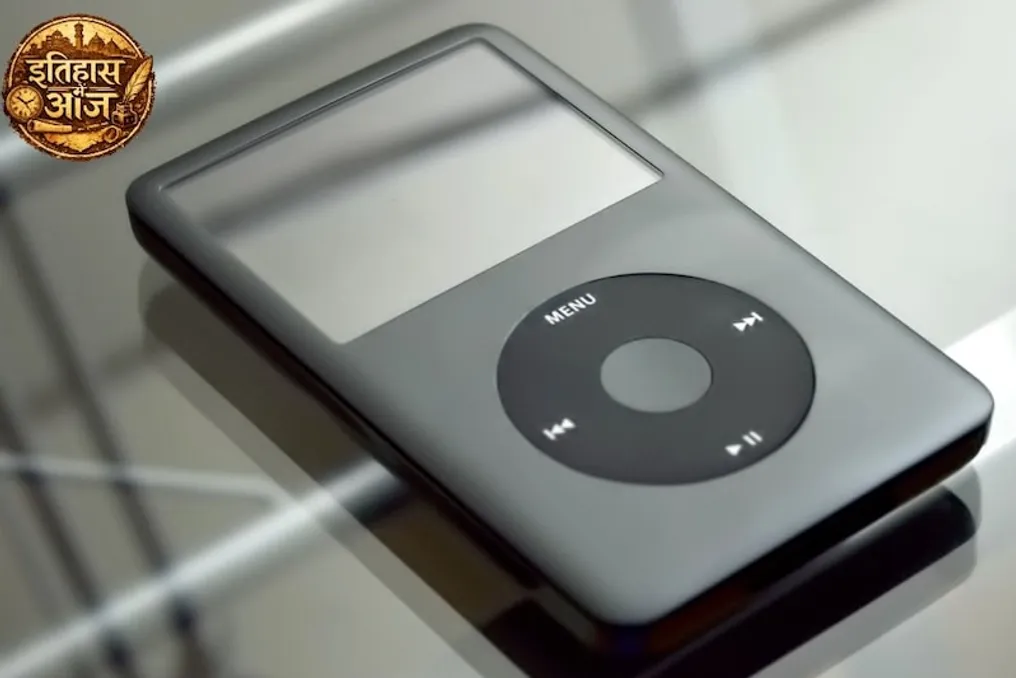
When Apple released its first iPod, it marked the beginning of a radical change in how music was listened to. This compact player was a step toward realizing the dream of carrying thousands of songs in your pocket, transforming not only listeners' habits but also the music industry itself.
Today, listening to music on mobile phones and creating personal playlists has become extremely simple. However, previously, listening to songs while traveling required having a cassette or CD player with you. The arrival of the iPod helped popularize digital content and played a key role in transforming Apple from a computer manufacturer into a recognizable technology brand among consumers. Moreover, this shift paved the way for devices like the iPhone.
By 2001, there was growing interest in digital music, and users began moving from cassettes and CDs to MP3 players. Nevertheless, many players available at that time had limitations in usability and capacity. Steve Jobs, Apple's CEO at the time, saw an opportunity in this. In early 2001, he recruited Tony Fadell to the team to develop the iPod. The company's goal was to create a small and simple device capable of holding a huge number of favorite tracks.
The team demonstrated high efficiency and completed development ahead of schedule. The iPod was announced on October 23, 2001, and sales began on November 10, 2001.
The first iPod model was the size of a standard deck of cards. It featured a central selection button and four control buttons around it. A special feature was the mechanical scroll wheel, which allowed the user to move through the song list forward and backward. The design was also distinctive: a white front casing, a stainless steel back panel, and white headphones gave it a unique look among other music players. The interface was so intuitive that it did not require a separate power switch.
The initial price of the iPod was $399. It had a 5GB hard drive, allowing it to store about 1000 songs. The battery provided up to 10 hours of operation, and the device also had a backlit screen. Presenting the iPod, Steve Jobs claimed that listening to music would never be the same. Although this might have seemed like an exaggeration at the time, the digital music market began to grow rapidly in the following years.
The initial launch of the iPod was moderately successful, but sales did not skyrocket immediately. About 350,000 units were sold in the first year. A significant reason for this was that early versions of the iPod worked exclusively with Apple computers. This situation changed in 2002 when the company introduced an iPod version compatible with Windows computers, expanding the pool of potential buyers.
Subsequently, in 2003, Apple launched the iTunes Music Store. Through this platform, users gained the ability to legally purchase and download a large number of tracks. The collaboration between the iPod and iTunes played a crucial role in changing music purchasing and listening methods. Whereas people used to buy entire albums, the digital store made it easy to purchase just one song, stimulating the shift from physical CDs to digital downloads and altering the old business models of the music industry.
Over time, Apple began incorporating new features into the iPod. In 2005, the company added podcast downloading capability, and the iPod played a role in the popularity of podcasts. In the same year, the fifth version of the iPod Classic received a screen for viewing videos, allowing users to watch movies and TV shows. Thus, the device was no longer limited to just listening to music.
Apple released numerous iPod series, including iPod Classic, Mini, Shuffle, Nano, and Touch. In total, estimates suggest the company sold about 450 million units across all these lines.
The success of the iPod helped Apple realize that consumers preferred using digital content on small, simple, and attractive devices. In 2007, the company introduced the iPhone, which combined phone functions with the ability to play music and video. Gradually, smartphones reduced the need for specialized music players, as all functions—music, video, and much more—became available on the phone. Ultimately, Apple announced the discontinuation of iPod Touch sales in May 2022, marking the end of the iPod's story.
However, the iPod's story goes beyond the simple disappearance of a music player; it marks the beginning of an era where digital music became an integral part of daily life. The iPod simplified carrying music with you and helped Apple achieve the position from which it conquered its unique niche in the global technology market.