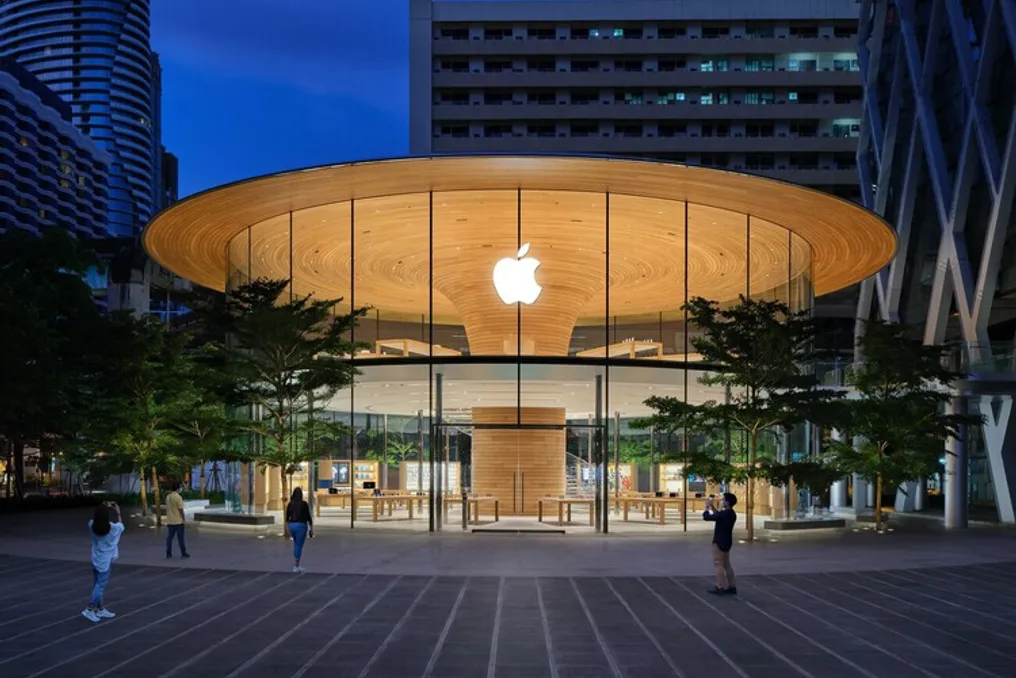
In 1972, Robert Venturi, Denise Scott Brown, and Steven Izenour published the book 'Learning from Las Vegas.' This publication challenged architects, urging them to reconsider the commercial landscape of the United States, which had long been underestimated and ignored.
The authors presented the well-known distinction between the 'duck'—a building whose form conveys its meaning—and the 'decorated shed'—an ordinary structure whose identity is determined by signs and symbols. This called into question the widely accepted modernist assumption that architectural expression must derive from form and function.
By analyzing the billboards, neon lights, casinos, and shopping avenues of Las Vegas, the authors argued that architecture should study the visual languages of American consumer culture.
Postmodernism can be seen as a rejection of traditional modernist promises; it is often characterized by historical quotations, ornamentation, irony, and the inclusion of popular culture. However, its connection to American capitalism was more complex than just a rebellious architectural movement or a rigid response to corporate interests.
Modernism provided American corporations with a powerful visual identity, linking glass skyscrapers and minimalist design with institutional power and efficiency. Postmodernism offered both architects and clients a new way of understanding the communication of buildings.
This occurred during a period when company differentiation, consumer identity, and the symbolic value of goods were crucial for American enterprises.