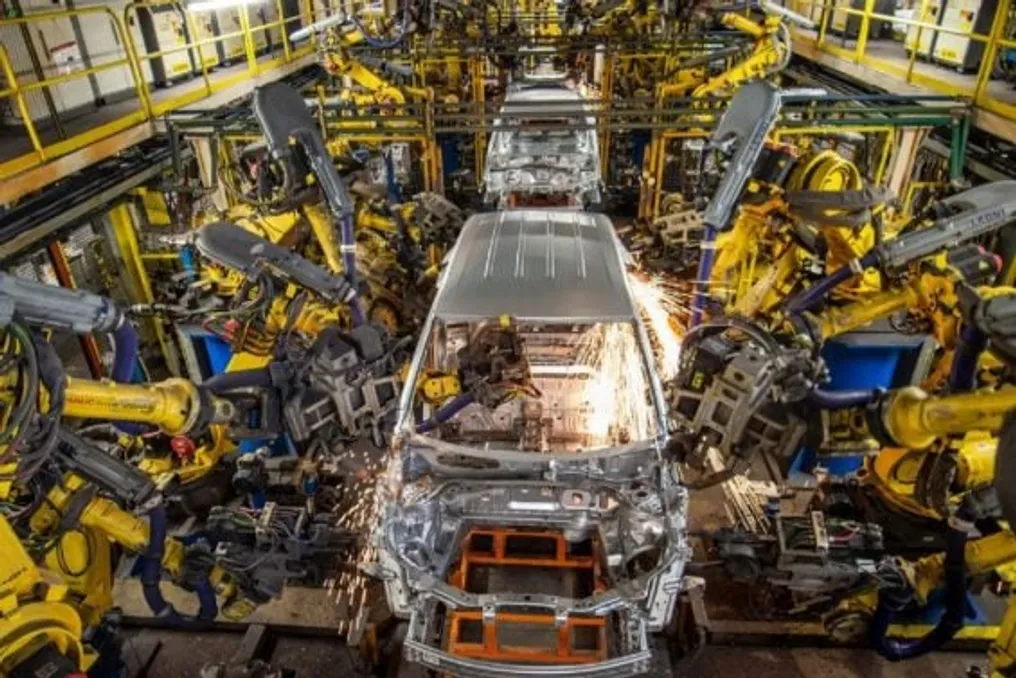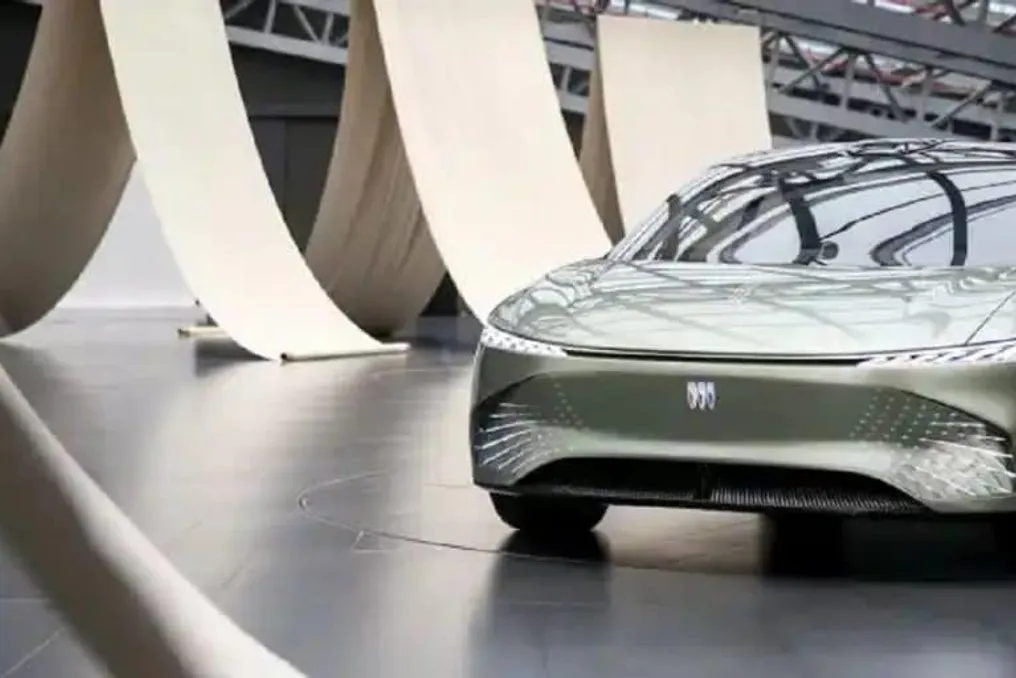
General Motors (GM) has set a goal to halve the time required to develop new automobiles, aiming to complete the entire process in just two years. To achieve this objective, the American automaker is betting on the application of artificial intelligence (AI), seeking to keep pace with the rapid release cycle of models by Chinese manufacturers.
Furthermore, the company plans to implement modifications to both the batteries and the electronic systems of its vehicles. These plans were detailed during an event held in New York and encompass technologies that are expected to be incorporated into cars in the coming years.
Competitors such as BYD, Geely, and Xiaomi have gained prominence in global markets, including Asia, Africa, Europe, and Latin America, thanks to their frequent releases and the inclusion of cutting-edge technologies in their vehicles. This intense competition forces traditional automakers to shorten the development period for new models.
In an interview given to The New York Times, GM's product director, Sterling Anderson, summarized the strategy by stating that 'the faster we can make iterations, the better our products will be.' He added that the company is managing to create superior products in less time and at reduced costs.
GM is also working on developing electric cars with prices comparable to gasoline or diesel models but offering greater range per charge. Although there is no set date for these vehicles to reach the market, battery research has already used AI to analyze 300,000 combinations of chemical components. This technology has the potential to accelerate phases that would normally take years, aiding in the creation of more affordable batteries.
This advancement is crucial for the automaker, given that its presence in the American electric vehicle market is still limited. In the third quarter, Chevrolet, Cadillac, and GMC combined accounted for less than 10% of new electric car sales in the United States, while Tesla surpassed the 50% mark, according to Cox Automotive data.
Another area of work for GM is the redesign of the embedded electronics in vehicles. Currently, several processing units manage distinct functions, such as engine, chassis, and driver assistance. The company's proposal is to consolidate all these tasks into a single device.
This unified architecture promises to reduce costs and decrease vulnerability to chip supply disruptions, a problem that impacted production during the Covid-19 pandemic. This model is already employed by Tesla and has also been adopted by Chinese manufacturers.
These transformations are part of a larger plan that includes supporting a centralized computer system that GM intends to make available by 2028. This technology would allow the driver to take their eyes off the road on highways separated by physical barriers. The first vehicle expected to receive this feature will be the Cadillac Escalade IQ, the electric version of the large SUV, followed by other brand models.
However, the expansion of electric vehicles in the United States faces significant hurdles. GM reduced its investments in this sector after Congress eliminated federal tax credits for buyers of these vehicles the previous year. Furthermore, the relaxation of fuel efficiency standards has also mitigated the pressure to increase the supply of electric options.
Mary T. Barra, the company's CEO, acknowledges that electric vehicles will inevitably become predominant as prices fall and technology evolves. With these new projects, GM seeks to keep up with this paradigm shift and respond to the competition from manufacturers who are shortening the cycle between development and launch of new cars.