CAQM issued strict directives to Punjab and Haryana on stubble burning control
Read more
Aaj Tak
www.aajtak.in

CAQM issued strict directives to Punjab and Haryana on stubble burning control

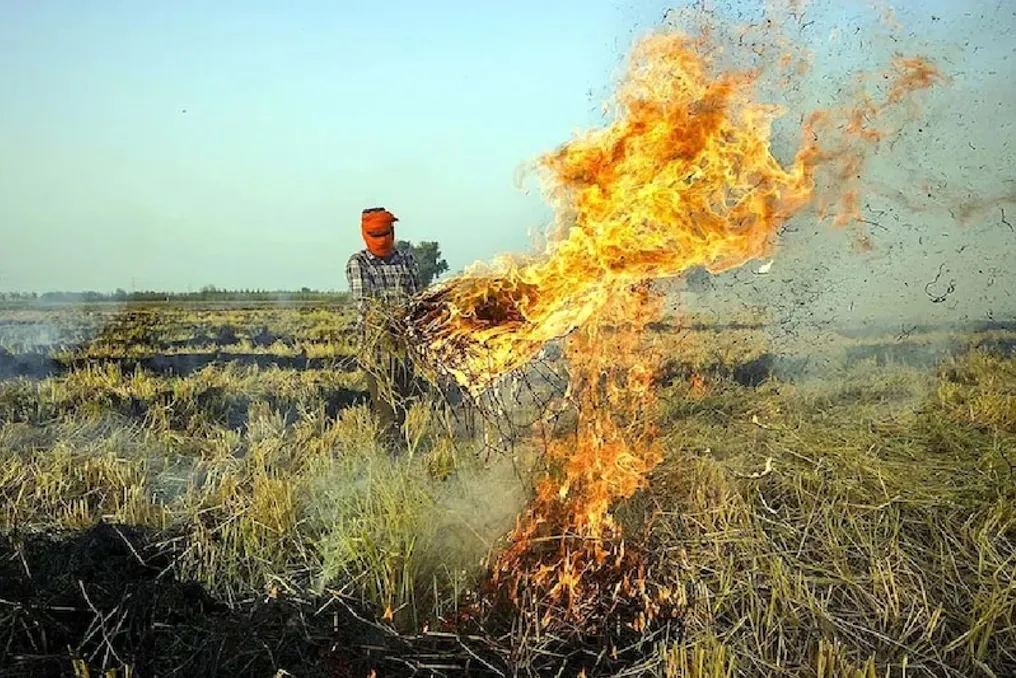
To control rising air pollution in the National Capital Territory and surrounding areas, the Commission for Air Quality Management (CAQM) issued directives to the governments of Punjab and Haryana regarding the prevention of stubble burning.

The Commission emphasized the need for effective implementation of stubble management plans on the ground, rather than merely having them on paper. Furthermore, it was instructed to intensify monitoring of pollution originating from vehicles, construction activities, and industrial units.

During the winter period, a consultative meeting was held with officials from both states to manage the air pollution situation. CAQM also stressed the importance of providing farmers with machinery for stubble management and incentivizing its use.

Separate meetings were held with officials from Punjab and Haryana in Chandigarh, chaired by Rajesh Verma. During these meetings, the states' work on stubble management, the use of Crop Residue Management (CRM) machinery, and implemented pollution control plans were analyzed.

The Commission examined methods used for monitoring and preventing stubble burning. Officials were mandated to implement pollution control measures within specified timelines and continuously track their effectiveness.

During the meeting in Punjab, the number, placement, and usage of available wheat stubble management machinery by farmers were inspected. The Commission provided instructions to rectify identified shortcomings in equipment utilization. Emphasis was also placed on strengthening the system for collecting, transporting, and properly disposing of stubble.

In the Commission's view, providing farmers with necessary resources and ensuring the efficient use of existing systems is critical to preventing stubble burning. The possibility of using satellite alerts, drones, and low-cost sensors to detect stubble burning incidents and relay information to relevant authorities was also discussed.

Progress in utilizing biomass derived from stubble in brick kilns and the goals for co-combusting biomass with coal in thermal power plants to promote alternative uses for stubble were discussed.

The meeting with Haryana officials covered not only stubble burning but also other sources of pollution. These included vehicle emissions, dust from roads and open areas, pollution from construction and demolition activities, and industrial emissions.

The Commission checked compliance with rules related to checking vehicle Pollution Under Control Certificates (PUCC) through the Automatic Number Plate Recognition (ANPR) system at fuel and CNG stations. Progress in taking action against vehicles reaching the prescribed age and the phased withdrawal of diesel auto-rickshaws was also assessed.

CAQM insisted on mechanized cleaning to control road dust. Instructions were given for the effective implementation of measures to prevent dust raising at construction and demolition sites. Additionally, industrial units were directed to ensure compliance with established environmental standards. The Commission noted the need for simultaneous action across all major pollution sources to enhance the effectiveness of air quality improvement efforts.

CAQM tasked Punjab and Haryana with timely implementation of their action plans. The Commission also highlighted the importance of improving coordination between district administration and relevant departments, as well as informing farmers about the significance of stubble management. The Commission warned that an increase in stubble burning due to negligence would be taken seriously.

Furthermore, the states were advised to strengthen monitoring systems and actively work on the ground to prevent stubble burning. The Commission stated that stubble should be viewed not just as a source of pollution, but as a valuable resource. This can be achieved by developing biofuel production based on stubble and promoting its industrial use.

Steps in this direction include promoting the use of biomass in brick kilns and thermal power plants. According to the Commission, this can stimulate alternative use of stubble and support a circular economy. Coordinated efforts from Punjab, Haryana, and relevant agencies are necessary for effective control of winter air pollution.

Similar stories

Introduction of the first stage of the Air Pollution Response Plan (GRAP-1) in Delhi-NCR with threat of fines
Read more
www.aajtak.in

Introduction of the first stage of the Air Pollution Response Plan (GRAP-1) in Delhi-NCR with threat of fines

Due to the rising level of air pollution in the Delhi-NCR region, including Noida and Greater Noida, the government has intensified its measures. The Air Quality Index (AQI) in Noida and Greater Noida exceeded the mark of 200, leading to the introduction of the first stage of the Graded Response Action Plan (GRAP-1) in Delhi-NCR.

The Commission for Air Quality Management (CAQM) issued directives for implementing the measures established under GRAP-1 in the NCR areas covering Delhi, Uttar Pradesh, Haryana, and Rajasthan, and instructed relevant officials to continuously monitor the situation.

Following the implementation of GRAP-1, monitoring of polluting activities has been strengthened. Restrictions have been imposed on the use of coal and wood in tandoors at hotels, restaurants, and street food stalls. Furthermore, burning of garbage, plastic, and dry leaves is prohibited.

Methods such as mechanical street sweeping, water spraying, and the use of anti-smog cannons are actively being employed. Ritesh Tiwari, an official from the Uttar Pradesh Pollution Control Board (UPPCB) in the Noida area, reported that department teams are conducting constant on-site checks to control pollution.

Over the period from October to November, about 30 establishments were inspected, 17 of which were found to be in violation. A fine of approximately 75 lakh rupees has been recommended for these cases. According to Tiwari, information about the measures taken by the department is disseminated through the media and social networks to raise public awareness and ensure compliance with established norms in construction work and other activities.

The regional office official also noted that control is being tightened over Ready Mix Concrete (RMC) and hot mix concrete plants operating near Pust Road. A fine of approximately 1.28 crore rupees was imposed for pollution incidents at these facilities. The department emphasizes that regular inspections and actions will continue to curb pollution-increasing activities.

An additional problem is the dust raised from poor roads in the Noida area, which also exacerbates the pollution issue. Ritesh Tiwari stated that he has personally discussed this matter repeatedly with officials from the Board and the Irrigation Department, and has sent official requests for road improvement. He added that information has been received regarding the allocation of funds to the Irrigation Department for road construction, and the department has promised prompt resolution of the issue. UPPCB staff maintain constant contact with the Irrigation Department for quick resolution of road problems.

The Pollution Control Department asserts that field inspections and actions against violators have been enhanced since the introduction of GRAP-1. Department teams conduct continuous surveillance to control the rising level of pollution.

Air Quality Worsens in Delhi-NCR After Dasara, AQI Exceeds 300
Read more
www.aajtak.in

Air Quality Worsens in Delhi-NCR After Dasara, AQI Exceeds 300

Following the Dasara festival, pollution levels in the Delhi-NCR region significantly increased, reaching hazardous levels. The Air Quality Index (AQI) surpassed the mark of 300 due to smoke from fireworks and stubble burning.

To stabilize the situation, GRAP 1 restrictions were implemented, which prohibit construction work and open waste burning. According to meteorological service forecasts, the situation may worsen in the coming days.

Bupendra Yadav discusses measures to solve air pollution problem in Delhi
Read more
www.aajtak.in

Bupendra Yadav discusses measures to solve air pollution problem in Delhi

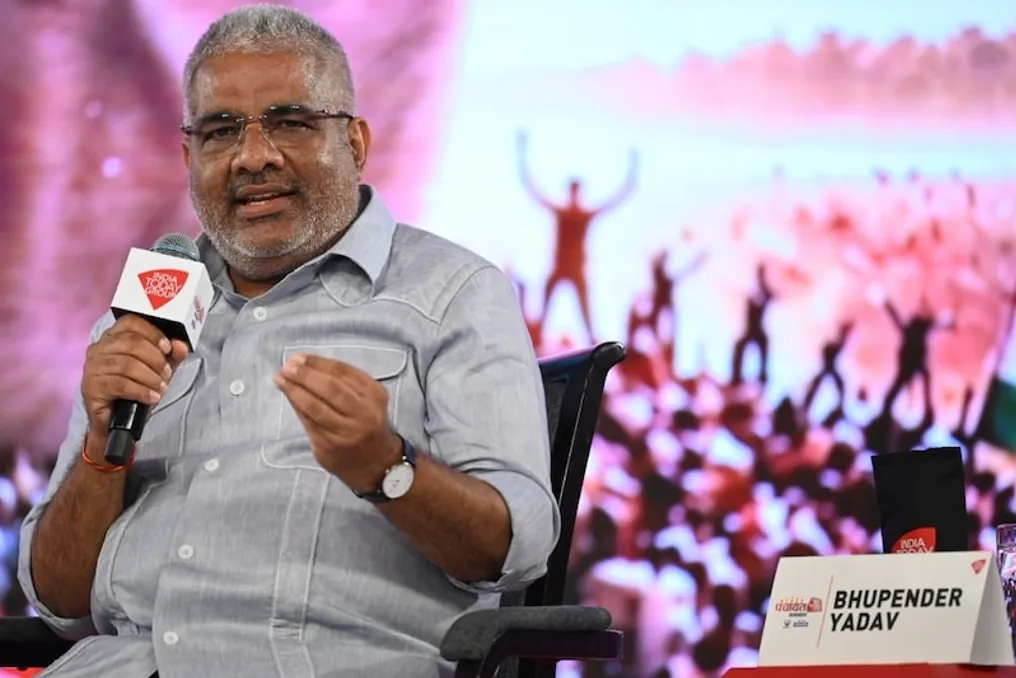
The Union Minister for Environment, Forest and Climate Change, Bupendra Yadav, participated in the Aajtak Panchayat Rajasthan event. During this event, he presented an action plan being implemented to clean the Delhi-NCR region from air pollution.

He emphasized that solving the pollution problem in Delhi-NCR will be achieved not only through meetings but also through effective on-ground actions, the application of modern technologies, and improved coordination between various departments. Yadav detailed the government's strategy.

Bupendra Yadav stated that the government has developed an 11-point plan that accounts for various sources of pollution. Special attention is given to managing transport emissions, industrial pollution, road dust, construction dust, and improper solid waste disposal. He also noted that 47 pollution hotspots have been identified in Delhi, and officials have been assigned responsibility for their monitoring and management.

According to Yadav, a unified action plan was developed jointly with relevant agencies after continuous meetings regarding the pollution problem in Delhi-NCR, held since February of last year. He stressed that the pollution problem cannot be reduced to a single cause; simultaneous work must be done on vehicle smoke, industrial emissions, road dust, particles rising from construction sites, and inadequate waste disposal.

Yadav clarified that the government's priority is to identify pollution sources, strengthen control over them, and establish accountability for the respective departments.

During the discussion, Bupendra Yadav stated that transport accounts for about 17 percent of Delhi's pollution. Numerous steps are being taken to control transport pollution. He mentioned the 'No PUC, No Fuel' system in Delhi, highlighting efforts to implement rules related to Pollution Under Control (PUC) certificates to ensure vehicles meet established standards.

Furthermore, he spoke about promoting electric buses to improve public transport. Yadav reported on efforts to increase the number of electric and CNG buses in Delhi, mentioning the recent inclusion of 150 electric buses. The government believes that strengthening public transport will help reduce dependence on private cars and decrease emissions.

Regarding industrial pollution, Bupendra Yadav stated that the government is intensifying control over emissions from industrial units. He reported that work is underway to connect approximately 350–400 industrial establishments to an online pollution monitoring system. Emphasis is placed on integrating the pollution control systems of these facilities with the Central Pollution Control Board (CPCB) monitoring system. He also mentioned taking action against enterprises violating rules in non-industrial zones.

Yadav added that the system for installing air pollution control equipment at industrial units and monitoring emissions is being strengthened.

Bupendra Yadav noted that road dust is a significant source of air pollution in Delhi-NCR. Great attention is being paid to regular road sweeping and mechanical cleaning to control it. He mentioned that a dashboard-based control panel has been developed for managing the operation of mechanical cleaning and sweeping machines in the integrated command and control center. The goal of this system is to track whether the machines are performing cleaning in designated areas and whether the relevant agencies are fulfilling their duties correctly. In Yadav's opinion, simply providing the machines is not enough; it is crucial to ensure their regular operation and the quality of cleaning.

Concerning dust generated during construction and demolition in Delhi-NCR, Bupendra Yadav presented the government's plans. He reported that technology is being used in Delhi to monitor construction sites. During the conversation, he mentioned monitoring about 170 construction sites, and pollution data related to these sites is included in the integrated monitoring system. He stressed that established measures must be followed to prevent the spread of dust from construction sites, and relevant agencies must focus on inspections and compliance.

Bupendra Yadav reported that 47 pollution hotspots have been identified in Delhi. Measures are being taken in these areas considering local pollution sources. He mentioned a visit with the Chief Minister, Reha Gupta, to pollution-affected areas such as Anand Vihar. In such areas, vehicle movement is monitored, as well as...

>

Popular