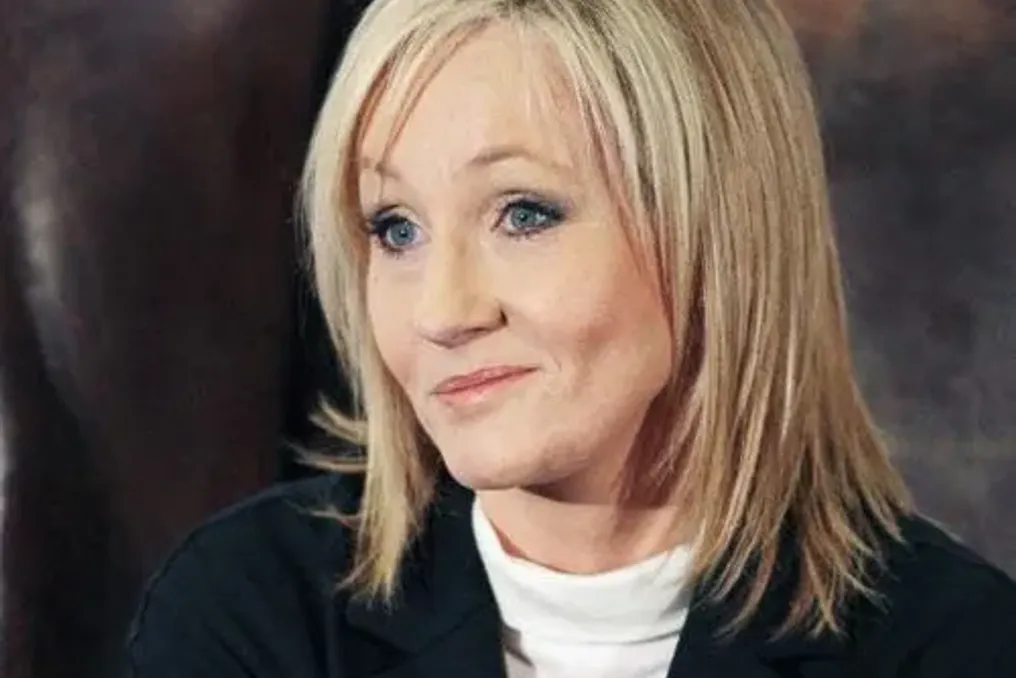
The author of the book 'Harry Potter', JK Rowling, has confirmed her intention to continue expressing disagreement with 'transactivism' and providing financial support to women who file lawsuits in defense of their rights.
Rowling, who is currently 61 years old, has long been at the center of controversy over this contentious topic. Her position is that biological sex is immutable, which has angered activists and actors from the 'Harry Potter' franchise.
She denies being transphobic, asserting that her concern relates to how transgender activism affects women's rights and spaces designated exclusively for women. In an extensive essay published on her website, the author wrote: 'I will continue to speak out, continue to use my money to help women who otherwise could not go to court.'
Furthermore, she added: 'If a man can become a woman, then women as such do not exist.' She emphasized: 'This may not matter to you personally, but it matters to millions of women who do not have to pretend that their sex does not matter. I stand with them.'
Rowling's gender-critical positions have made her a favorite among some feminists and contributed to the start of broader discussions about freedom of speech and so-called 'cancel culture'. However, her views have also faced sharp criticism.
She first elaborated on her viewpoint on this issue in a 2020 essay, which provoked a fierce negative reaction from transgender rights activists and other individuals.
Actor Daniel Radcliffe, who played Harry Potter in the bestselling film franchise, is one of those who publicly distanced himself from her. Rowling characterized her new essay as an update to her 2020 post, noting: 'My views have not changed... but the situation has certainly changed, and my involvement in this issue has become as practical as it is theoretical.'
In April 2025, the UK Supreme Court ruled that a woman is legally defined by the sex assigned at birth, a decision recognized as a landmark ruling by gender-critical campaigns similar to her own. Nevertheless, this ruling raised concerns about potential discrimination against transgender people.
Earlier this year, the Labour Party government released a long-awaited new guidance on single-sex spaces, insisting that it would continue to protect transgender people. The new code confirmed that services must be provided based on biological sex to be considered single-sex under the UK Equality Act 2010. Public services and institutions have gradually begun implementing these directives; for example, the National Health Service of England (NHS) reported last week that transgender women will no longer be placed in female wards.