Chance to win a two-night stay at The Marine Hotel in Hermanus
Read more
Getaway
getaway.co.za

Chance to win a two-night stay at The Marine Hotel in Hermanus

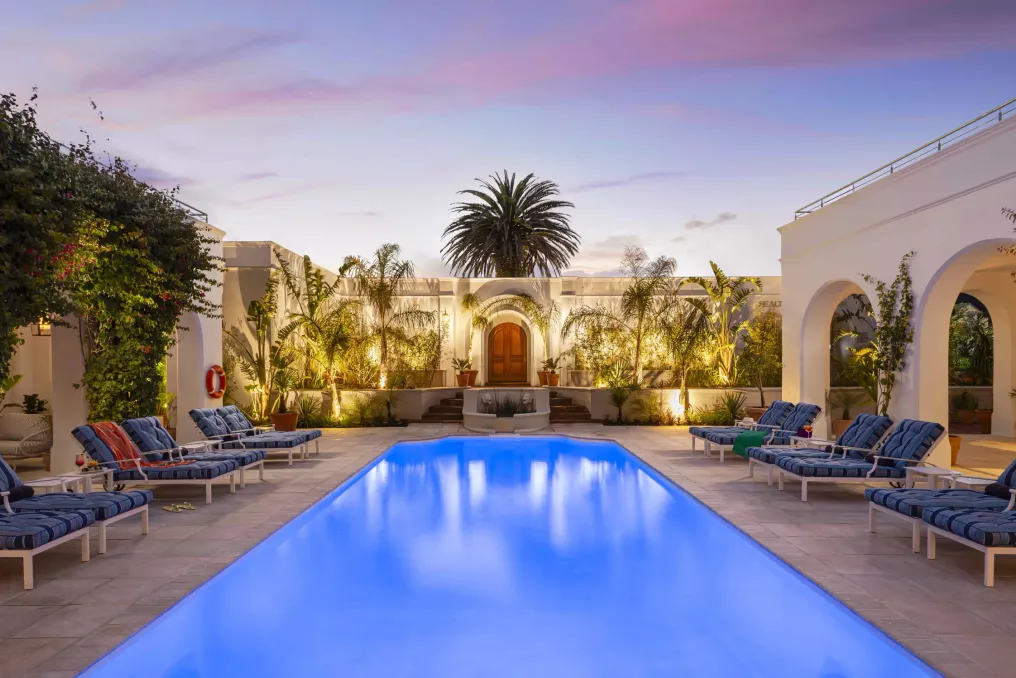
The Marine Hotel, situated along the famous cliff path in Hermanus, is one of the most beloved attractions in the Overberg region. Following a major renovation, this iconic hotel has gained a new dimension, blending rich heritage with sophisticated modern coastal elegance while remaining deeply connected to the natural beauty of the area.

The Marine Hotel features 40 elegantly appointed rooms and suites, offering expansive views of Walker Bay. Whales and dolphins can often be spotted in the open sea here. The period from June to November is ideal for land-based whale watching, which guests can enjoy from the comfort of their ocean-view rooms.

The Sun Lounge and the revamped cocktail bar remain popular spots for afternoon tea and sunset enjoyment, while the reimagined Pavilion restaurant capitalizes on its location. Positioned between elegant arched windows, the restaurant overlooks Walker Bay and serves contemporary South African cuisine enriched with unique regional flavors.

Health and relaxation amenities are easily accessible at The Marine. Guests have direct access to The Marine's tidal pool, and a tranquil inner courtyard and heated pool provide secluded areas for unwinding. A fully equipped gym and access to signature treatments at the Carchele Health & Beauty Spa are also available.

As part of The Liz McGrath Collection and a member of Small Luxury Hotels of the World, The Marine serves as an ideal starting point for exploring Hermanus and the entire Overberg. The region offers an unparalleled combination of nature, culture, and understated luxury: from pristine beaches, galleries, and tidal pools to walking trails, marine excursions, and renowned wineries of the Hemel-en-Aarde Valley.

One lucky reader of Getaway Magazine can win a two-night stay for two in a Sea View Deluxe Room, including full breakfast, valued at R15,000. Applications close on November 16, 2026.

Prize

The prize is non-refundable, non-transferable, and cannot be exchanged for cash. Prize delivery is restricted to within South Africa.

The prize can be used from October 1, 2026, to August 31, 2027, excluding high season, subject to availability. The total value of the prize is R15,000. Terms and conditions apply.
Similar stories

Wadden Sea: A Unique Ecosystem That Changes Twice Daily Due to Tides
Read more
getaway.co.za

Wadden Sea: A Unique Ecosystem That Changes Twice Daily Due to Tides

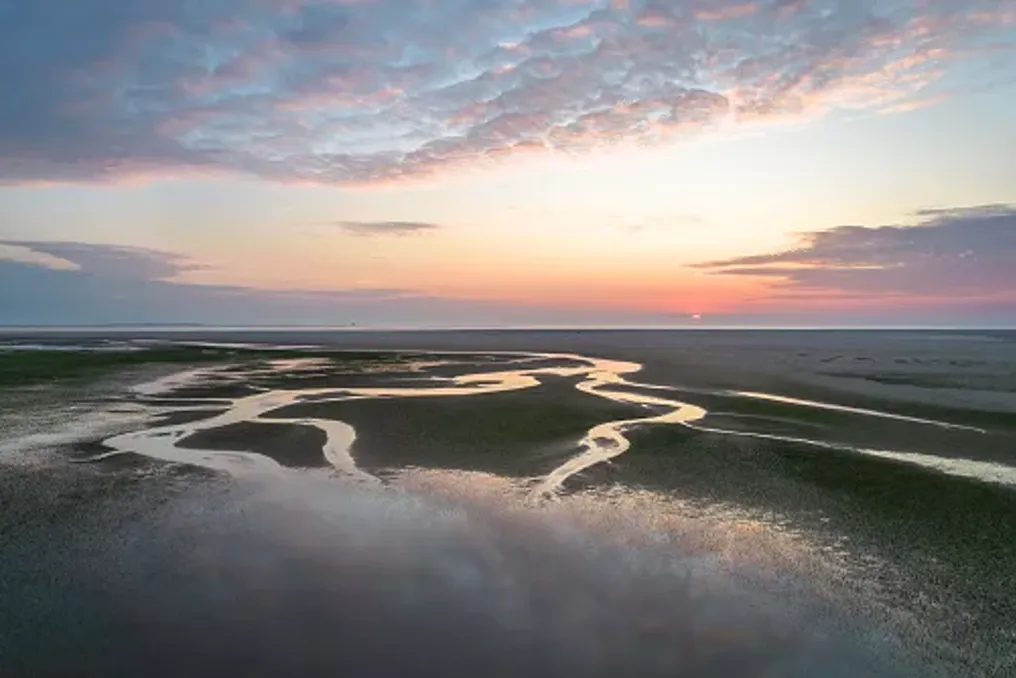
Along the coast of the North Sea in the Netherlands, Germany, and Denmark, an amazing transformation occurs twice a day. The water recedes from the shoreline, exposing vast areas of sand and mud where birds feed, seals rest, and hidden marine life appears.

This is the Wadden Sea, one of Europe's most outstanding natural landscapes and the world's largest continuous system of tidal sand and mudflats. The landscape constantly transforms depending on the rise and fall of the tides.

During high tide, seawater fills the channels and covers most of the mudflats. At low tide, the water retreats, revealing a labyrinth of sandbanks, tidal channels, and muddy plains. These changes are caused by the gravitational pull of the Moon and Sun, which causes tides, as well as the influence of local winds and weather conditions.

As a result, a landscape is formed that rarely remains unchanged. Areas that may appear to be open sea turn into wide expanses of exposed seabed, only to disappear again under the returning water a few hours later.

Beneath the surface lies a rich source of food. Worms, mollusks, snails, and other small creatures thrive in the bottom sediments, supporting a complex food web. When the tide recedes, migratory birds gather to feed on these accessible resources. Sandpipers, dunlins, and other waterfowl probe the mud with their beaks, while larger flocks rest and feed before continuing long journeys between breeding and wintering grounds.

The Wadden Sea serves as a vital stopover point on major migration routes connecting Northern Europe, the Arctic, and Africa. According to UNESCO, an average of 10–12 million birds pass through this vast World Heritage area annually.

Furthermore, harbor seals and grey seals inhabit the Wadden Sea, using its sandbanks for resting and giving birth. At low tide, seals can often be seen lying on the exposed flats, conserving energy between feedings. When the water returns, they dive into the sea to hunt fish and other prey.

The survival of these animals depends on healthy coastal habitats, abundant food, and undisturbed resting places.

Mosquito Bay in Puerto Rico is known for its bioluminescent glow at night
Read more
getaway.co.za

Mosquito Bay in Puerto Rico is known for its bioluminescent glow at night

Beneath the surface of Mosquito Bay in Puerto Rico, microscopic organisms transform an ordinary nighttime water excursion into something exceptional. Located on Vieques Island, Mosquito Bay is recognized by the Guinness Book of Records as the brightest bioluminescent bay in the world.

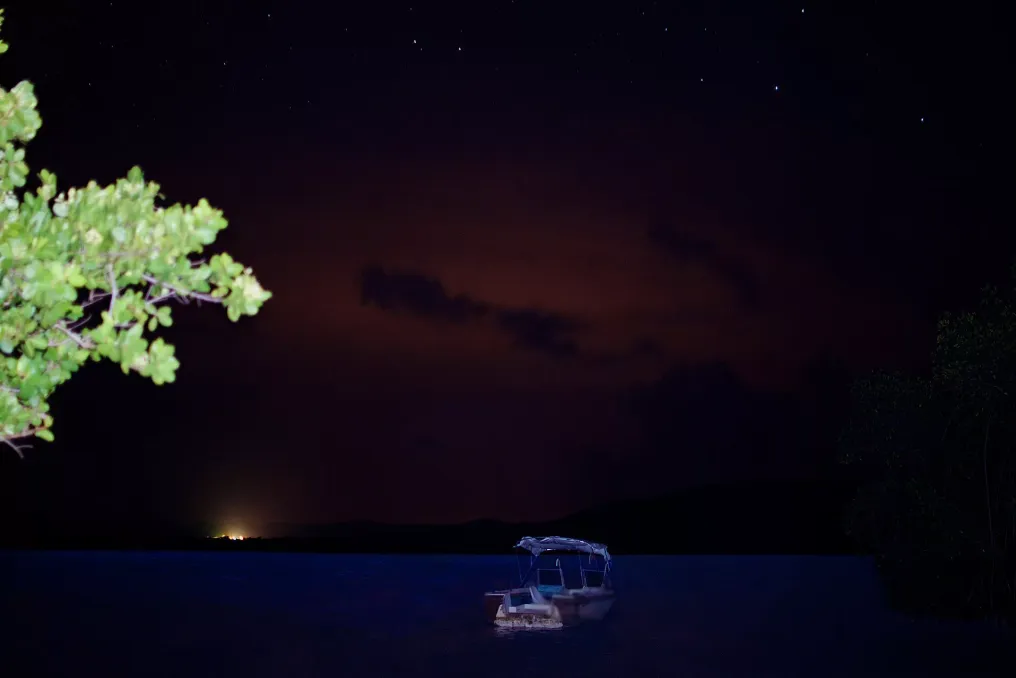
When the water here is disturbed, it flashes with blue-green light, creating the impression of stars scattered beneath the water's surface. This spectacle looks almost otherworldly, yet its origin has a clear scientific basis.

The light is generated by microscopic marine organisms called dinoflagellates. In Mosquito Bay, the responsible species is Pyrodinium bahamense, which produces light through a chemical reaction when the water moves.

Even slight movement, whether from a kayak paddle, a swimming fish, or a hand touching the surface, can trigger tiny bursts of blue-green light. This effect is known as bioluminescence—a natural ability possessed by various marine life.

The exceptional brightness of Mosquito Bay is linked to the high concentration of these organisms and the environmental conditions that sustain them. The protected waters and surrounding mangrove forests contribute to the preservation of this ecosystem. The decomposition of mangrove leaves releases nutrients into the environment, supporting a wider food chain. The result is a natural light show that requires no artificial lighting, only the movement of water.

Vieques is located off the eastern coast of Puerto Rico, which is renowned for its beaches, protected landscapes, and slower pace of life. Mosquito Bay is one of three major bioluminescent bays in Puerto Rico, alongside Laguna Grande in Fajardo and La Parguera in Lajas.

The bay's reputation is based on the intensity of its glow. In 2008, the Guinness Book of Records officially recognized Mosquito Bay as the brightest bioluminescent bay in the world. Visitors typically witness this phenomenon during kayaking or boat tours after sunset. When paddlers disturb the water, glowing trails appear and disappear within seconds; even minimal movements can reveal flashes beneath the surface.

Darkness is necessary for a full experience. Without bright light competing with the glow, the flashes become more noticeable, turning the bay into a living night sky. Although the bay can glow year-round, its brightness depends on the state of the environment and the abundance of dinoflagellates, so the impressive sight is not guaranteed.

Moonlight also affects visibility. Trips during the new moon, when the sky is darker, can make the glow more apparent. Weather and water conditions can also influence the experience. The best way to plan a visit and learn about current conditions is to book a tour with an authorized local operator. Tourists should also manage their expectations: photographs may exaggerate the intensity of the bioluminescence, and the real experience depends on what the ecosystem produces that night.

The beauty of Mosquito Bay relies on a delicate natural balance. Mangrove forests, seagrass beds, and surrounding coral reefs contribute to the health of the coastal environment, while changes in water quality and habitat can negatively affect the organisms responsible for the glow. In 2017, Hurricane Maria damaged habitats throughout Puerto Rico, including areas around Vieques. Since then, restoration efforts have focused on reviving mangrove forests, seagrasses, and nearby coral reefs, with scientists and local communities working to strengthen the ecosystem.

Visitors also play a role in protecting this place. Swimming in Mosquito Bay is prohibited to preserve its sensitive environment. Adhering to tour rules, limiting artificial lighting, and avoiding unnecessary disturbances help maintain the conditions that make the bay so unique. Observing an entire patch of water light up due to organisms too small to be seen with the naked eye is an outstanding phenomenon where science meets a spectacle lasting only a few seconds but leaving an indelible impression.

Popular