People in South Africa have always shown an interest in mobile phones. Today, a smartphone is perceived not just as an achievement, but as a necessary tool for participating in work, obtaining education, and daily life; however, access to such devices remains a problem for many.
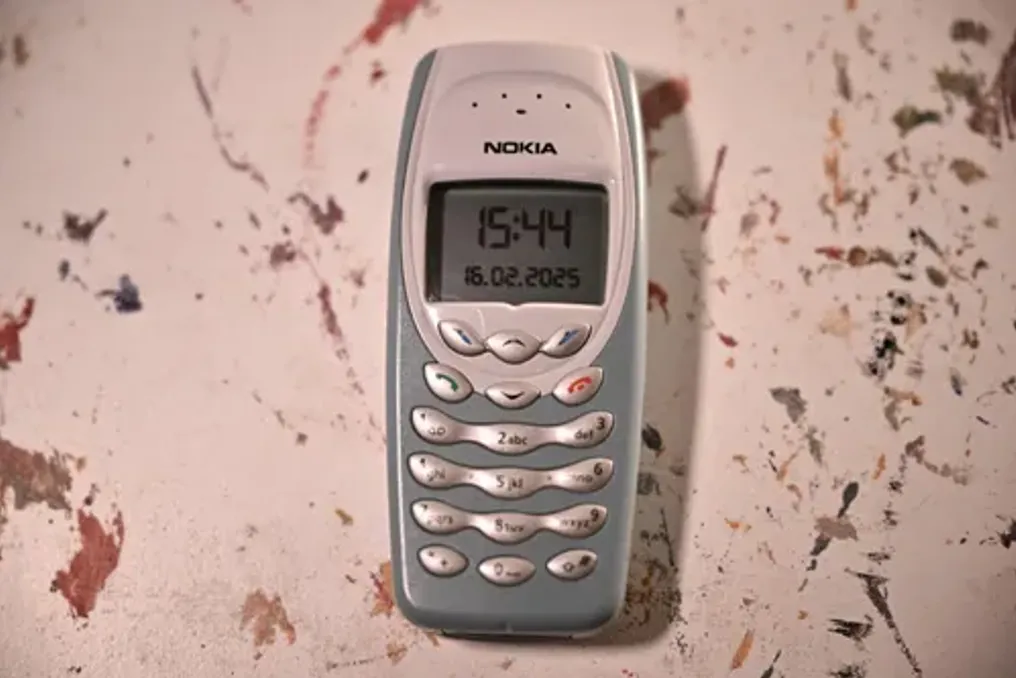
Many residents of South Africa might recall their first mobile phone: the model, color, and the first person they called. For many, it was a Nokia 3310 that could withstand any fall, or a Motorola Razr that closed with a characteristic click. These early devices could only perform basic functions—sending text messages and making calls, but they first provided a sense of connection, allowing a person to be reachable everywhere.
Before mobile phones, calls were rarely private; they often took place on landlines in common corridors or at street phones near the post office, where one had to wait in line. The first mobile phones changed this situation, giving rise to a whole culture of freedom. Phones became a reflection of personality, not just a practical tool. They were personalized with bright cases and lanyards, setting favorite songs as ringtones and wallpapers featuring favorite bands to make the device seem unique.
This desire for individualization has persisted into the smartphone era. The choice of brand, desired camera, case, and wallpaper today speaks about a person just as much as cases and ringtones used to. Upgrading a device still brings a small thrill and a feeling of opportunity, but the significance of this feeling has changed.
Despite the apparent ubiquity of smartphones, a 2018 Pew Research Centre study showed that only about half of South Africans owned a smartphone. Four out of ten people continued to use basic or feature phones, and almost one in ten had no phone at all, highlighting that for some, access to a smartphone is only becoming possible now.
Even economically active citizens face the hurdle of the initial cost. According to the GSMA Mobile Economy Africa Report 2026, an entry-level smartphone costs approximately 24% of the monthly income in low- and middle-income countries in Sub-Saharan Africa. Traditional contracts do not always help bridge this gap. Data from the National Credit Regulator shows that out of 45.8 million consumer records as of the end of March 2025, only about 63% demonstrated credit activity. This means that approximately 16.9 million records lacked a credit history, which hinders obtaining a traditional network contract.
Political changes have contributed to improved smartphone access. Last April, the Ministry of Finance abolished the 9% luxury excise duty on smartphones costing less than 2500 rand. GSMA forecasts that about 1.1 million additional entry-level smartphones were sold in the following year, while sales of feature phones declined as people were able to upgrade.
Alternatives to traditional contracts have also emerged. One such solution is smartphone leasing. One operator specializing in this niche is PayJoy, a global fintech and philanthropic organization serving over 20 million customers in nine countries, including South Africa. PayJoy's Country Manager in South Africa, Dion Wester, noted: 'Too many South Africans are ignored by traditional lenders, and phone contracts simply because they lack a credit history. PayJoy is changing that. We offer them a fair, transparent way to get the smartphone they want and help them build a credit profile in the process. It all starts with a smartphone that becomes part of a larger journey to access. Customers lease their device, choosing from a range of brands and models.'
For some South Africans, the moment of getting their first smartphone is happening right now. PayJoy reports that about one in ten of its clients leases their first smartphone. Access solutions not only help people upgrade; by removing the need for a credit history or full prepayment, they bring new people into the smartphone economy.
The degree of our dependence on devices has fundamentally changed. The first mobile phone was once a kind of rite of passage, and life continued without it. Today, the first smartphone is a way to apply for jobs and grants, track a child's school WhatsApp group, pay prepaid electricity, attend online lessons, and navigate an unfamiliar city.
Cases and ringtones remained part of the fun, and for many, this is still true. However, the smartphone has become primarily a means of economic participation. The first mobile phone meant you could finally be found. A smartphone allows independent communication with employers, clients, teachers, and services.
This is why the excitement over a new phone still matters. When a person cannot afford the initial cost of a smartphone, they lose not only the device itself but also the opportunities that increasingly depend on it. The feeling of opportunity has not disappeared; only how important it is has changed. The phone used to be a milestone. Today, the smartphone is a way to find work, run a small business, monitor children's schooling, and receive necessary services. The feeling associated with the first phone remains valuable, but the main task now is to ensure that no one is left without the opportunities this gadget provides.