The Ebola outbreak, which began in Congo, has spread to four additional countries, including two where the disease remains active. This spread covers more territory in Africa than any previous Ebola outbreak, reaching three regions of the continent.
On Tuesday, Nigeria became the latest country affected by this outbreak, which was first declared in eastern Congo in mid-May. The disease is caused by the rare Bundibugyo virus, for which there is no approved vaccine or treatment. In Congo, this outbreak has resulted in at least 4,600 deaths out of 9,500 infected people.
The World Health Organization (WHO) stated that this is the fastest-growing Ebola outbreak in history. In Africa, it has been recorded in the central, western, and eastern regions.
One of the persistent problems with the spread in Africa appears to be weak surveillance efforts, as most initial cases were confirmed long after people started showing symptoms or after travel.
Patient in Nigeria returned from Uganda
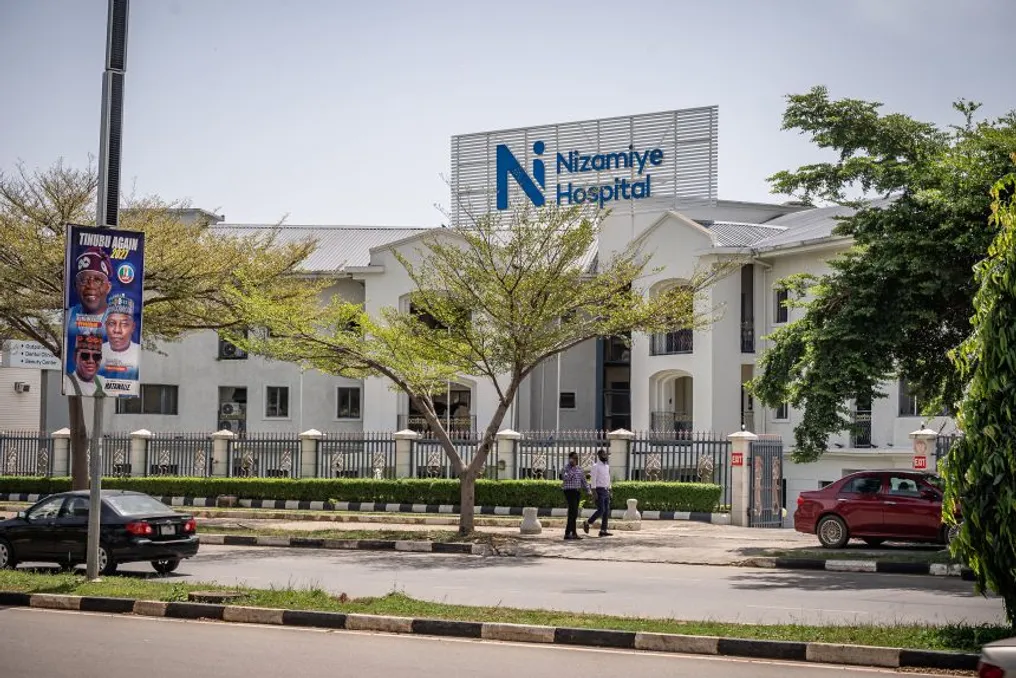
Nigeria confirmed an Ebola infection in its capital, Abuja, in a woman who arrived from Uganda about two weeks ago. Symptoms appeared in this woman on October 7, and she was hospitalized in a private hospital in Abuja on October 11, where she was later diagnosed with Ebola.
It is not yet clear when exactly she arrived in Nigeria. Health Minister Muhammad Pate reported that authorities have begun tracking 44 individuals identified as the patient's contacts and are 'doing everything possible to contain this case.'
Uganda reported 20 cases; none are active
Uganda confirmed the Ebola outbreak on the same day as neighboring Congo, detecting the infection in a man who arrived from Congo. The first cases in Uganda were linked to patients from Congo who crossed the border seeking treatment for an unknown illness before it was known they had Ebola, according to health authorities.
The WHO declared the outbreak in Uganda over on August 27 after registering 20 confirmed cases, including 15 patients from Congo. Eighteen people recovered, and two died. More than 800 contacts were identified and monitored, and the country reported on Tuesday that there were no new cases.
The first patient in Kenya arrived from Congo via Uganda. Kenya announced the first Ebola case on October 6, involving a man who traveled from Congo through Uganda before arriving in the capital Nairobi on October 3. He tested positive for Ebola on October 5 and died the same day.
The number of Ebola cases in Kenya increased to nine, including four relatives of the first patient and four healthcare workers. Authorities also identified 135 contacts related to the nine patients, 134 of whom are in quarantine. The Kenyan Ministry of Health stated that there is currently no evidence of transmission outside the known contacts of the first patient.
France is the only non-African country to register a case. In June, France confirmed a positive Ebola case in a doctor returning from Congo, making it the first and only country outside Africa to record a case in this outbreak. This individual returned from a humanitarian mission in one of the virus transmission zones in Congo and was admitted to a specialized facility in France for treatment. According to the WHO, this person recovered and was discharged on July 4.