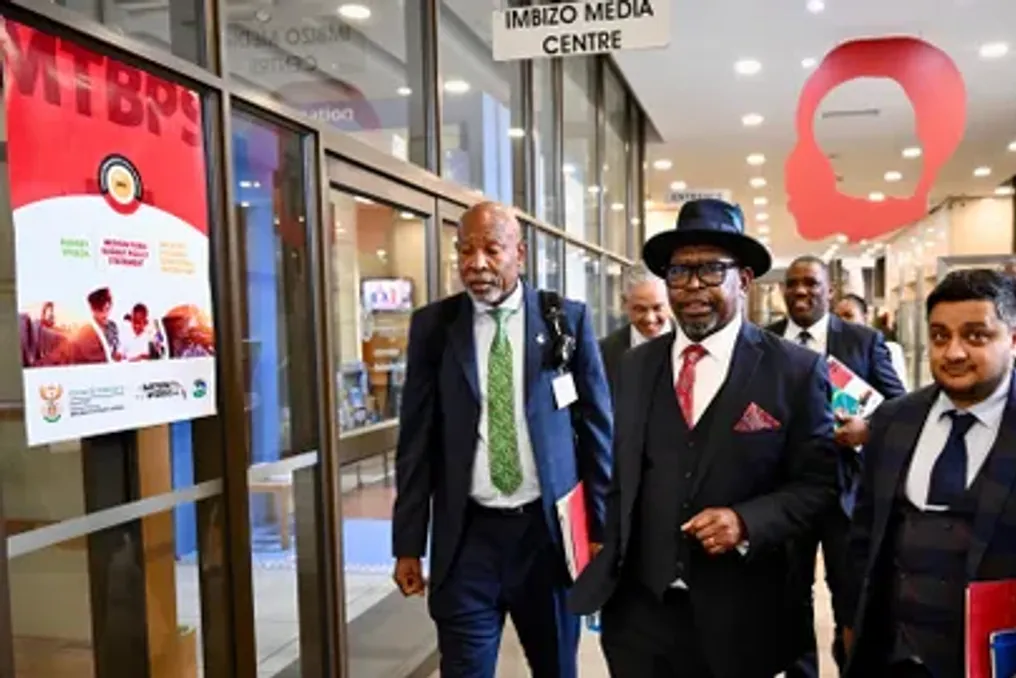
Residents of South Africa will receive a temporary reduction in fuel costs after Finance Minister Enoch Godongwana announced a cut to the fuel levy amounting to 10 billion rand. Nevertheless, economists caution that this measure will only temporarily postpone inflationary pressure threatening household budgets and business expenditures.
This intervention was announced during the Medium-Term Budget Policy Statement (MTBPS) in Parliament the day before. The decision comes against a backdrop of petrol prices exceeding 30 rand per liter, which increases the burden on the population, transport operators, and businesses already struggling with the rising cost of living.
Under the adopted measures, the total fuel levy will be reduced by 3 rand per liter for diesel and by 1.50 rand per liter for petrol from November 4 to December 1. After this, the support will be adjusted: the levy on diesel will decrease by 1.50 rand per liter, and on petrol by 1 rand per liter, lasting until January 5, 2027.
Godongwana stated that these steps will provide support worth 10 billion rand, with a fiscal cost of 10 billion rand in lost revenue. The financing of this intervention is achieved by cancelling a previously made transfer to the Central Energy Fund (CEF); the funds are returned to the National Revenue Fund to cover the relief expenses.
These funds were originally received from surplus revenues in the 2025/26 financial year and were intended for distribution to the CEF. Godongwana emphasized that this measure will help mitigate the pressure associated with the rising cost of living without jeopardizing budget sustainability.
However, the temporary nature of these reductions raises questions about what protection households and businesses will receive after the aid ends, especially if international oil prices remain high. Dr Lerato Ntuli, an economist at Anchor Capital, noted that the intervention should slow the immediate peak of inflation but is unlikely to change the overall inflation trajectory.
Ntuli warned that fuel inflation is likely to accelerate again as the aid is withdrawn in early 2027, while the effects of higher oil prices continue to impact the economy. Frank Blackmore, lead economist at KPMG South Africa, welcomed these measures, noting that the reduction in fuel costs could help limit the passing on of transport costs to commodity prices.
Blackmore explained that this is important for inflation in the economy because most goods are transported across the country using diesel-powered vehicles. He believes this will be positively received, and the rise in product prices will be less than if the measures had not been taken. Furthermore, Blackmore noted that unexpectedly high tax revenues from commodities gave the government the opportunity to increase the primary surplus and fund initiatives to combat crime, corruption, and gender-based violence while protecting social income.
Nevertheless, he also warned that surges in commodity revenues, which underpin the improved revenue position, may not last long. The announcement elicited a mixed political reaction: the ANC welcomed the intervention, while ActionSA argued it was insufficient.
ANC Secretary-General Phikile Mbalula stated that the relief will ease pressure on households during the busy holiday travel period and assist businesses involved in transporting essential goods. He added that the reduction in diesel costs means that trucks carrying bread, maize, and chicken pay less, which protects shelf prices. He also argued that the reduction in petrol prices will ease the burden on drivers and passengers.
However, ActionSA MP Alan Bisley countered that the temporary reduction of the fuel levy by 10 billion rand is insufficient to solve the broader cost of living crisis and structural economic problems. He questioned the government's economic forecast after lowering the growth projection from 1.6% to 1.2%, arguing there is no convincing plan to address unemployment, poverty, and weak growth.
The Federation of South African Trade Unions (FEDUSA), which actively opposes the rising cost of living and fuel prices, welcomed the temporary fuel levy reduction announced by Finance Minister Enoch Godongwana but demanded a sustainable response to growing affordability pressures. FEDUSA Secretary-General Rifda Adjam warned that temporary aid cannot be the end of the discussion, as fuel costs continue to drive up transport and food prices, putting additional pressure on workers and needy households.
The Motor Industry Sector Association (MISA) supported these cuts, calling them a victory for workers and their families after prolonged calls for assistance. MISA Chief Executive Officer for Operations Martle Cater reported that rising transport costs force workers to make difficult choices between working and meeting basic family needs. He noted that union members reported having to choose between commuting to work and buying food, and MISA conveyed this message to decision-makers.
Nevertheless, the union pointed out the temporary nature of the aid and called for further support if fuel prices remain high, including targeted assistance for households dependent on paraffin. The Mayibuye Movement demanded a reduction in the total fuel levy for petrol and diesel of at least 4 rand per liter, arguing that the announced cuts do not match the scale of the required assistance. The movement stated that families cannot be expected to absorb every global oil price shock without significant state intervention.
The announcement followed calls from the COSATU union for the government to use the proposed 10 billion rand allocation to protect consumers from rising fuel prices. COSATU warned that rising costs are putting pressure on jobs, small businesses, and the prices of essential goods. COSATU Parliamentary Coordinator Matthew Parks stated that this impact is felt across the entire economy.