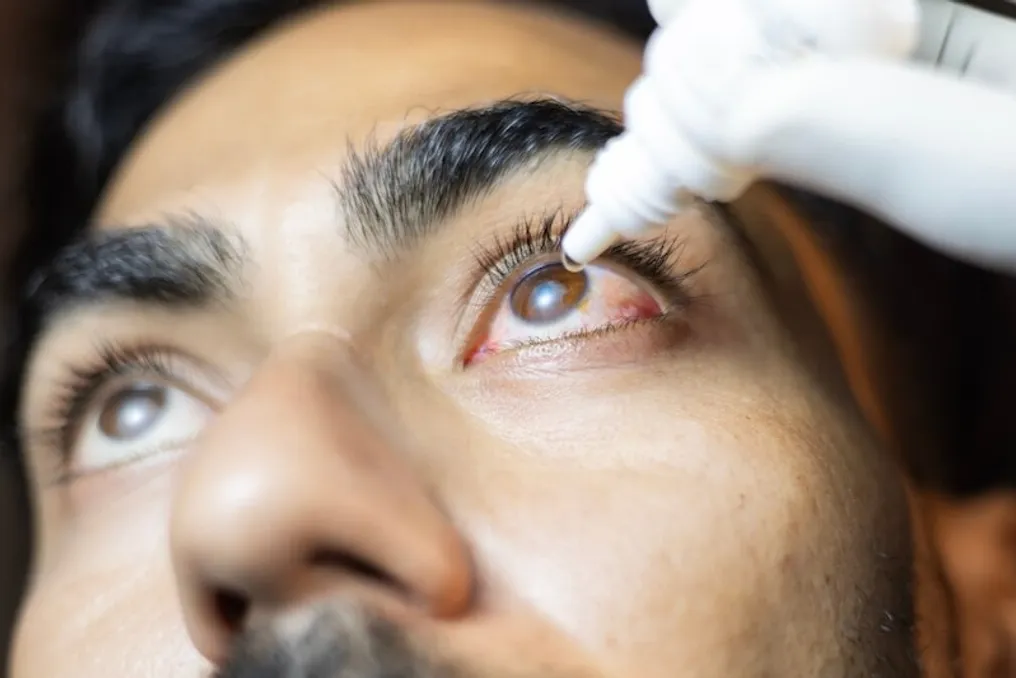
Expert explains whether to rinse eyes with water or use drops when experiencing burning and itching
Read more
Aaj Tak
www.aajtak.in

Expert explains whether to rinse eyes with water or use drops when experiencing burning and itching

Due to increased air pollution levels and changing weather in Delhi-NCR, some people are experiencing symptoms of burning and itching in their eyes. This raises the question of which method—rinsing with water or using eye drops—is correct. A medical specialist provided clarification on this matter.

What is better to do for eye irritation—frequent rinsing with water or applying drops—depends on the underlying cause of the burning. Burning can occur due to dust, smoke, allergies, prolonged computer or mobile phone use, or dry eyes. In such cases, it is not recommended to constantly wash the eyes with water.

A thin layer of tear film covers our eyes, which maintains moisture and protects the eyes from external particles such as dust. Excessive exposure to water can temporarily disrupt the balance of this film.

Dr. Prarna Anand, Senior Consultant at I Care Metro Hospitals, commented on this situation. She noted that if the burning is caused by dryness, moisturizing drops, known as artificial tears, can be used, but only after consulting a doctor. These drops help maintain moisture in the eyes.

However, not all types of irritation respond to the same drops. It is crucial not to use antibiotic or steroid drops without a doctor's prescription. Furthermore, frequent use of drops intended to reduce redness can also be harmful.

If dust gets into the eye, it can be gently rinsed with clean water. Nevertheless, there are symptoms where self-treatment should not be attempted.

It is necessary to consult a doctor immediately without using drops independently if you experience severe eye pain, excessive redness, vision problems, blurred vision, or discharge from the eye. In such cases, professional medical assistance is required.

Similar stories

Increased air pollution levels can cause symptoms of allergic rhinitis
Read more
www.aajtak.in

Increased air pollution levels can cause symptoms of allergic rhinitis

Although winter has not yet begun, pollution levels in Delhi and the NCR have significantly increased. In many areas, the Air Quality Index (AQI) exceeds 300. Some people are experiencing frequent sneezing, throat itching, and sinus problems caused by rising pollution. People tend to attribute these symptoms to seasonal changes or a common cold, ignoring them.

However, if such signs appear regularly or persist for a long time, it may indicate allergic rhinitis. According to doctors, allergic rhinitis is a condition characterized by inflammation of the nasal lining. This inflammation is triggered by fine dust particles, pollen, and mold present in polluted air.

When these particles enter the body through breathing, the immune system activates against them, leading to recurring sneezing and sinus issues. Some people may also experience throat irritation or mucus dripping from the nose into the throat. As pollution intensifies, the symptoms of this condition can worsen, so it should not be underestimated.

Dr. Nikhil Jain, an ENT specialist, noted that air pollution is gradually increasing not only in Delhi and the NCR but also in many other regions of the country. This causes frequent sneezing, coughing, and nasal congestion among the population. He emphasized that these symptoms should not be ignored as they may be signs of allergic rhinitis.

Allergic rhinitis is caused by dust and mold; since many fine dust particles enter the air with rising pollution, this problem is exacerbated. Therefore, it is crucial to receive proper treatment, otherwise, the discomfort may intensify.

When pollution levels are high, it is recommended to avoid going outside. It is also important to prevent dust accumulation indoors and regularly clean bedding and sheets. Efforts should be made to minimize contact with dust or smoke.

Popular