Dangote acquires 25% stake in Kenyan pipeline, changing the continent's energy strategy
Read more
Ventureburn
ventureburn.com

Dangote acquires 25% stake in Kenyan pipeline, changing the continent's energy strategy

Following the IPO of its refinery, Dangote is actively expanding its presence across the continent. Aliko Dangote, a major industrial figure from Nigeria, previously offered East Africa a 20% stake in the IPO after Uganda and Kenya approved the participation of local investors.

Dangote has now announced a significant acquisition of vital East African energy infrastructure—obtaining a 25% stake in Kenya's pipeline network. This acquisition is capable of fundamentally altering fuel supply logistics across the continent.

The Kenya Pipeline Company is a critical artery transporting petroleum products throughout the region. By acquiring a 25% ownership stake, Dangote has gained substantial influence over one of East Africa's most crucial logistics networks.

Interestingly, Kenyan President William Ruto had previously hinted at this development. He spoke about attracting private investors to strengthen the national network but kept specific names confidential until now.

This strategic acquisition goes beyond simply moving liquids from one point to another; it aims to create a reliable and highly profitable supply chain inaccessible to competitors.

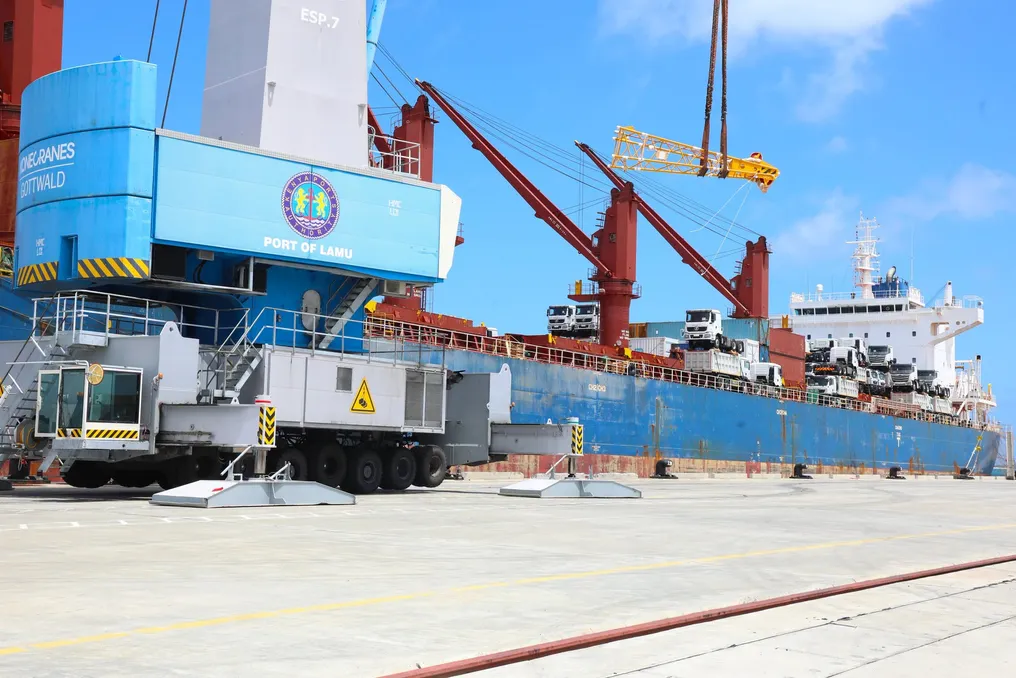
While a stake in the pipeline may seem enormous, one should consider events from last month. That is when the foundations of this entire operation were laid. Dangote personally visited the Port of Lamu to lay the cornerstone of a colossal $16 billion refinery project, which will have a capacity of 700,000 barrels per day.

In this context, the pipeline acquisition makes clear sense. It is impossible to process hundreds of thousands of barrels daily without a highly efficient and reliable method of transporting the finished product. By integrating his new mega-refinery with a significant share in the existing transport infrastructure, he is effectively building an inseparable energy ecosystem from scratch.

For decades, the African continent followed a frustrating economic pattern: countries mined crude oil, shipped it abroad for processing, and then bought back refined fuel at high prices. Dangote seeks to change this model. His goal is extremely clear: to immediately cease raw material exports. By processing raw materials locally and pumping them through the recently acquired pipelines, the continent can retain financial value.

He has already demonstrated the success of this model at his large facility near Lagos, and now he is replicating that success in Kenya, proving it is not an isolated incident. This acquisition fundamentally changes the balance of power in global energy markets. For local consumers, this may mean price stabilization and predictability for fuel in the future, and for investors, it signals the dawn of a new era in intra-African trade. This is not just another corporate takeover, but a decisive statement that Africa is finally taking aggressive control of its resources.

Similar stories

Construction of an oil refinery planned for Lamu Island in Kenya raises concerns among local residents
Read more
www.aajtak.in

Construction of an oil refinery planned for Lamu Island in Kenya raises concerns among local residents

The construction of an oil refinery is underway on a picturesque island in Kenya. Nigerian businessman Alikko Dangote is initiating the $16 billion project on Lamu Island, located on the coast of the Indian Ocean. The work schedule anticipates the start of construction on September 30, 2026.

Several African leaders, including Kenyan President William Ruto, have participated in this project. The refinery is expected to provide employment for about 60,000 people. However, local residents and environmental organizations express serious concern over potential damage to the sea, fish stocks, and the tourism industry.

Lamu Island is known for its beautiful beaches, historic buildings, and traditional boats. Its old town has been a UNESCO World Heritage site since 2001. The main sources of income for the population here are tourism and fishing. Therefore, the appearance of such a large oil refinery raises questions about both employment opportunities and environmental safety.

The project is being implemented by the Dangote Group and involves processing 700,000 barrels of crude oil daily to make it usable. Products such as gasoline, diesel fuel, and aviation fuel will be produced from this process. The company aims to put the refinery into operation by 2030.

The Kenyan government expects this project to stimulate industrial development in the country and reduce dependence on imported fuel. Furthermore, facilities for electricity generation are planned. Nevertheless, the plant's operation will require a significant amount of crude oil, which will have to be purchased from other countries.

In addition to direct jobs, the project promises about 60,000 jobs through indirect channels. A training center is also planned to educate 1,000 young people, giving local youth the opportunity to acquire new skills and find employment.

Residents of the island doubt what share of these jobs they will be able to obtain. There is a fear that the jobs may be filled by people from other regions. Therefore, it is crucial to monitor how many vacancies will go to local residents and what measures will be taken for their professional training.

Many in Lamu earn a living from fishing and serving tourists who come to see the sea, beaches, and old town. If the oil refinery negatively affects the sea or the surrounding area, it could lead to a decrease in income for those involved in tourism.

Environmental groups fear marine water pollution due to the plant's operation. The risk of oil spills or improper disposal of production waste could harm fish and other marine life. There is also a possibility of impact on mangrove forests and marine animals. It is not yet clear what specific environmental damage the plant might cause, so scientific research and continuous environmental monitoring during construction are necessary.

Questions arise regarding the use of land for construction. Some local residents have filed lawsuits against the project, claiming that their rights and land must be protected. Concerns are also raised about compensation and land ownership rights.

Kenyan President William Ruto stated that an environmental assessment would be conducted and the rights of the local population would be protected. However, some believe that such checks and dialogue with local residents should have taken place before the project began. Legal proceedings regarding land are ongoing.

For the Kenyan government, this oil refinery represents a significant opportunity for industrial growth and job creation. But since the livelihood of Lamu residents directly depends on the sea, fish, and tourism, the project's implementation must consider not only economic benefits but also environmental preservation.

A key factor will be how beneficial this proves to be for the local population and what steps will be taken to protect the sea from harm.

Popular