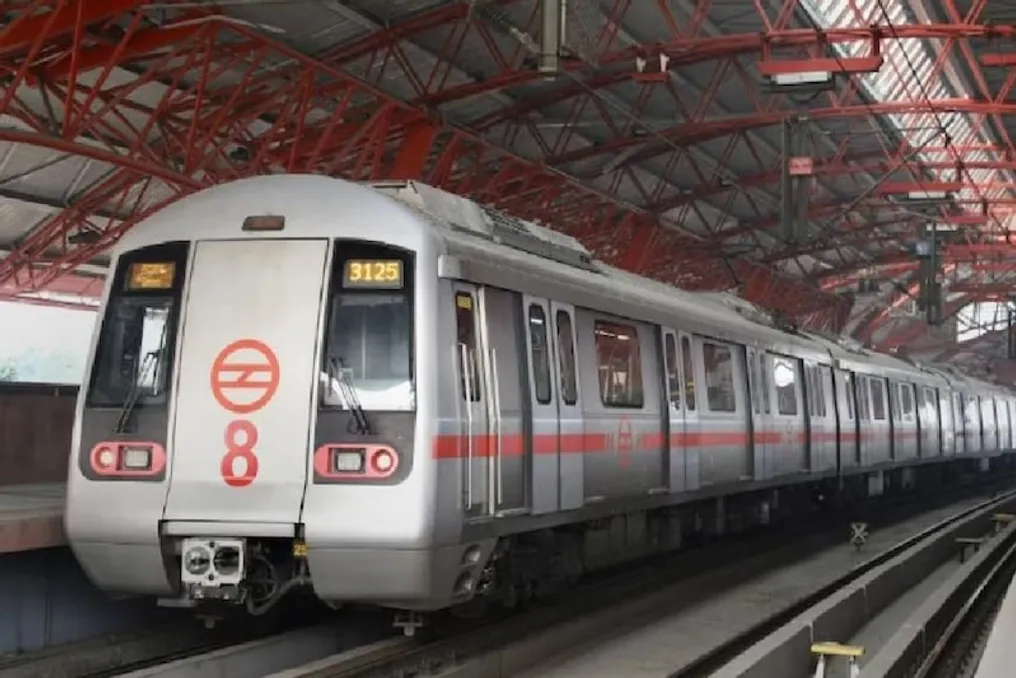
Due to rising air pollution in Delhi, the Delhi Metro Rail Corporation (DMRC) has decided to increase the number of trains and intensify measures to control pollution at construction sites. These steps are being taken as part of the implementation of the Graded Response Action Plan (GRAP-I).
According to DMRC information, starting from October 22, 2026, 20 additional trains will run daily on the metro network from Monday to Friday. The goal of this decision is to encourage more residents to use public transport instead of private cars.
Parallel to the launch of additional trains, DMRC is strengthening special campaigns to reduce pollution levels at its construction sites and in adjacent areas of the capital. These activities include reducing dust levels within construction sites, cleaning dust from adjacent streets, and clearing debris accumulated on sidewalks and road dividers.
These measures are aimed at regulating dust raised by construction work and traffic. DMRC specified that these campaigns will be conducted in addition to existing pollution reduction measures.
DMRC engineers will conduct thorough inspections of both the construction sites themselves and the surrounding streets. During these checks, it will be verified that all construction materials are properly covered to prevent dust emission. Furthermore, wheel washing systems installed at the exit points of construction sites will be inspected to ensure that dirt and dust do not enter the roads.
Currently, about 31 kilometers of roads related to metro construction in Delhi are under the temporary responsibility of DMRC. The corporation has taken responsibility for these streets to facilitate ongoing construction work. Most of these roads have already been repaired to prevent further increase in city pollution due to poor road conditions and raised dust.
To control pollution, DMRC has installed over 250 anti-smog and fog cannons at its construction sites, metro stations, and office buildings. These devices are used to reduce the concentration of dust in the air. Additionally, the DMRC environmental department conducts daily inspections to ensure compliance with all environmental standards at construction sites.
Thus, after the introduction of GRAP-I, it is expected that the combination of additional train services and intensified pollution control campaigns will help reduce pollution levels in Delhi.