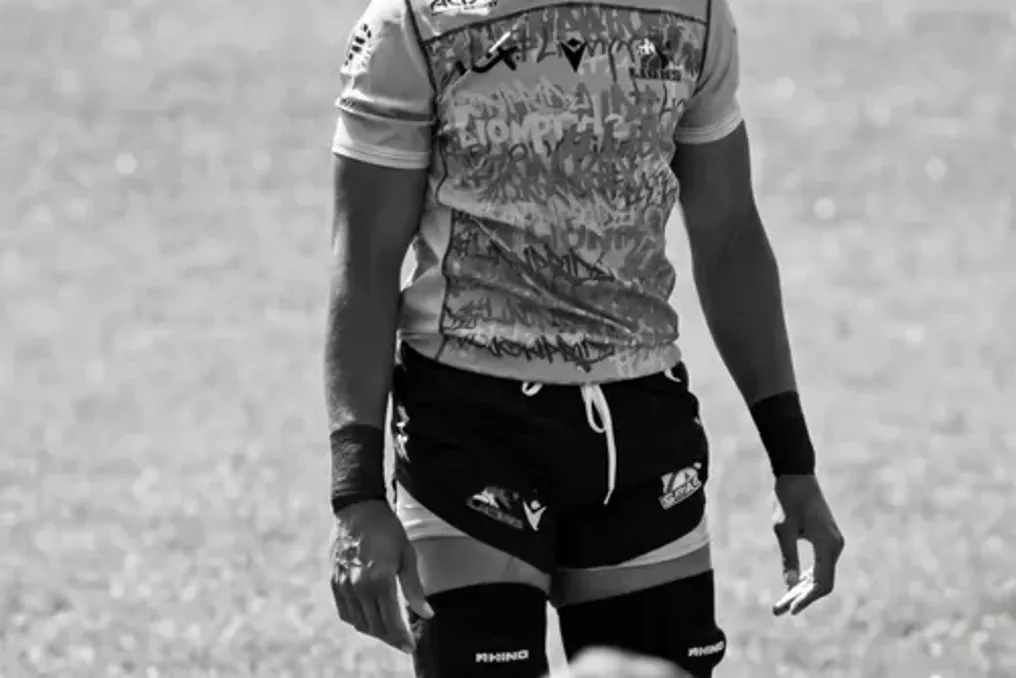
Cause of Chiron Andrews' death established: autopsy revealed aortic rupture
Read more
IOL
iol.co.za

Cause of Chiron Andrews' death established: autopsy revealed aortic rupture

The death of rugby star Chiron Andrews, who was born in Paarl, is linked to an aortic rupture. The autopsy confirmed that the 31-year-old athlete died from internal bleeding around the heart.

Lions Rugby announced these findings on Wednesday, October 21, on behalf of the Andrews family, five days after the former Junior Springboks squad member passed away in France. His body is currently in the custody of French authorities while arrangements are made for his return to South Africa. The autopsy showed that the rupture, presumably caused by an aortic aneurysm, led to significant blood accumulation around the heart.

Medical expert explains fatal aortic rupture

French authorities conducting the autopsy determined the cause of death as 'aortic rupture (natural causes), which led to significant blood accumulation inside the cavity surrounding the heart.' A medical specialist told IOL Media: 'One of the main arteries responsible for pumping blood from the heart to the rest of the body. If it ruptures, you have minutes before you bleed out internally. Immediate surgical intervention is required. It is sad that this is a ticking time bomb, and you never know when it will happen until it does.'

Andrews died on Friday, October 16, 2026, the day before the Lions Cup Champions match against La Rochelle, leaving teammates, family, friends, and the wider South African rugby community in deep shock.

Family awaits Andrews' return

The body remains under the care of French authorities while steps are taken to bring him home. Lions stated: 'The Andrews family requests respect, privacy, and patience during this difficult time as the repatriation process begins.'

The schedule for the body's return to South Africa has not yet been set. Further information will be provided as it becomes available and after consultation with the family. According to previous reports by AFP, Andrews was found in cardiac arrest in a shower stall that was locked from the inside. Following this, French authorities began investigating the circumstances of his death.

Minister of Sport, Arts and Culture Gethon Mackenzie previously paid tribute to the tall player, emphasizing the physical demands and sacrifices associated with playing in the second row. Mackenzie noted: 'Chiron played a position that requires only courage; the work that no one sees, and the tackles that no one counts. He gave it to the Sharks, Sail, Junior Bulls, and Lions, without complaint.'

From school rugby to international competition

Andrews' rugby journey began in Paarl, where he grew up and attended Laerskool Paulus Jobert. His performances led to his selection for the Junior Springboks in 2015. He spent nearly a decade with the Sharks before moving to England to play for Sale Sharks. At the start of the current season, he returned to South African rugby, joining the Lions, where he participated in all matches of the United Rugby Championship this season.

Previously, the Lions described Andrews as a valuable team member and extended condolences to his family, including Maglin, Hendrix, and Emerson. The family requested privacy while preparing to bring him home.
Similar stories

Lions' Courage in France Outweighs Champions Cup Defeat After Hayron Andrews' Death
Read more
iol.co.za

Lions' Courage in France Outweighs Champions Cup Defeat After Hayron Andrews' Death

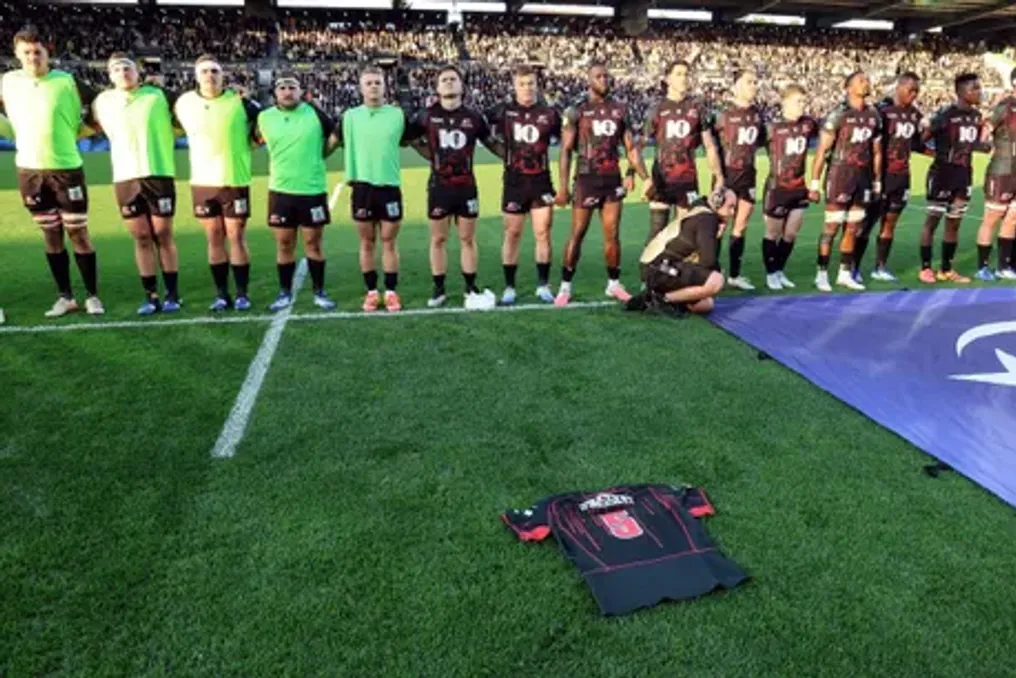
The scene where adult men held back tears before the tense Champions Cup match became one of the most heartbreaking in rugby history. However, the fight demonstrated by the Lions on Saturday evening in France was truly valiant.

Despite losing to La Rochelle with a score of 31-14 in an emotionally charged confrontation following the death of teammate Hayron Andrews, they honored him, his legacy, and his family.

It is likely that there was no one in the Lions team or among the fans, even in South Africa, who wasn't crying when the Johannesburg team gathered before the game to pay tribute to Andrews, who tragically passed away on Friday, just one day before their first tournament match.

Although questions arose as to why the Lions decided to play the match, they showed great resolve under the most difficult circumstances.

Before the first whistle, it was evident that the players were in a state of shock. Defenders Étienne Osthuizen and Ronan Delport struggled to hold back tears, as did eighth player Sikumbuzo Notshe and versatile defender Erich Cronje. Even some La Rochelle players found it difficult to control their emotions as the magnitude of the event became apparent.

But when the Lions took the field, they tried their best to set aside their grief and fought bravely in their debut match in this tournament. They trailed 19-14 at halftime before La Rochelle took control in the second half and secured the victory.

Yes, they might have lost that evening, but their efforts under these circumstances will never be forgotten.

The team could easily have said on Friday that they couldn't do it, that the emotional burden was too great to bear. No one would blame them for wanting to withdraw from the game and take time to process the devastating loss of a teammate. Instead, they took the field, taking responsibility for representing Andrews and honoring his memory.

Sport, after all, can sometimes seem insignificant in such moments. A rugby match, its result, or a place in the Champions Cup can never outweigh the loss of a life, especially if that person was part of the team and its structure.

Questions regarding the decision to play were understandable given the circumstances and the deep sorrow felt by the players.

Nevertheless, once they decided to play, the Lions demonstrated remarkable resilience on the field. And although the scoreboard will show a 31-14 defeat, it cannot measure what the Lions team went through to step onto the pitch and play until the final whistle.

Their journey in the Champions Cup began with grief, but their courage served as a powerful reminder of what a rugby team is—something much greater than what the final score shows at the end of the day. On the night when victory was not the most important thing, the Lions honored their fallen teammate with courage, resilience, and determination to honor his legacy.

Popular