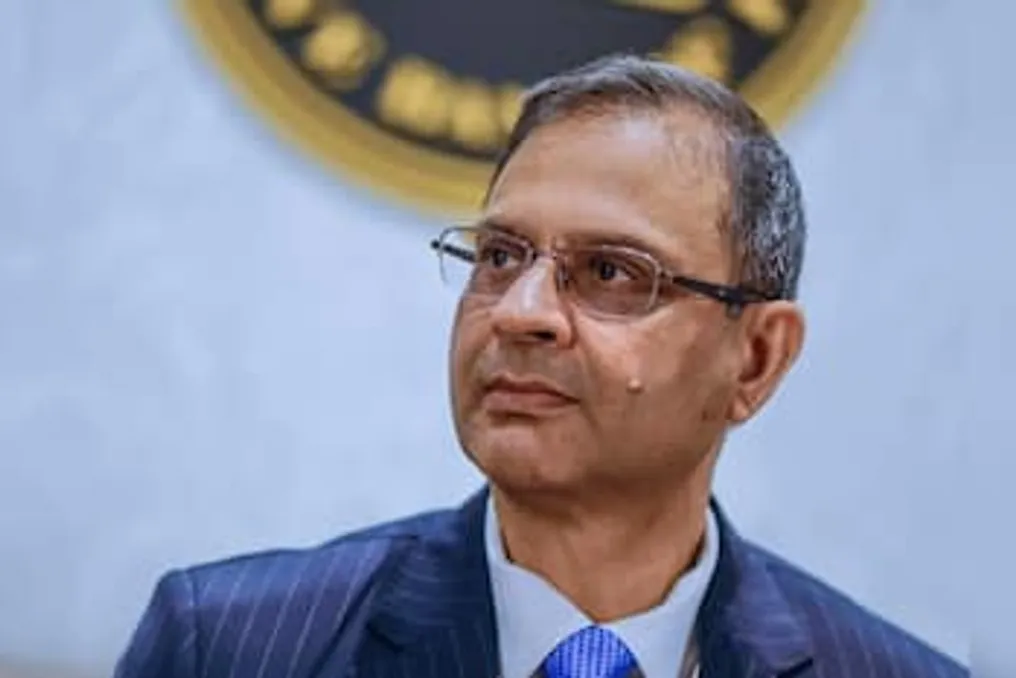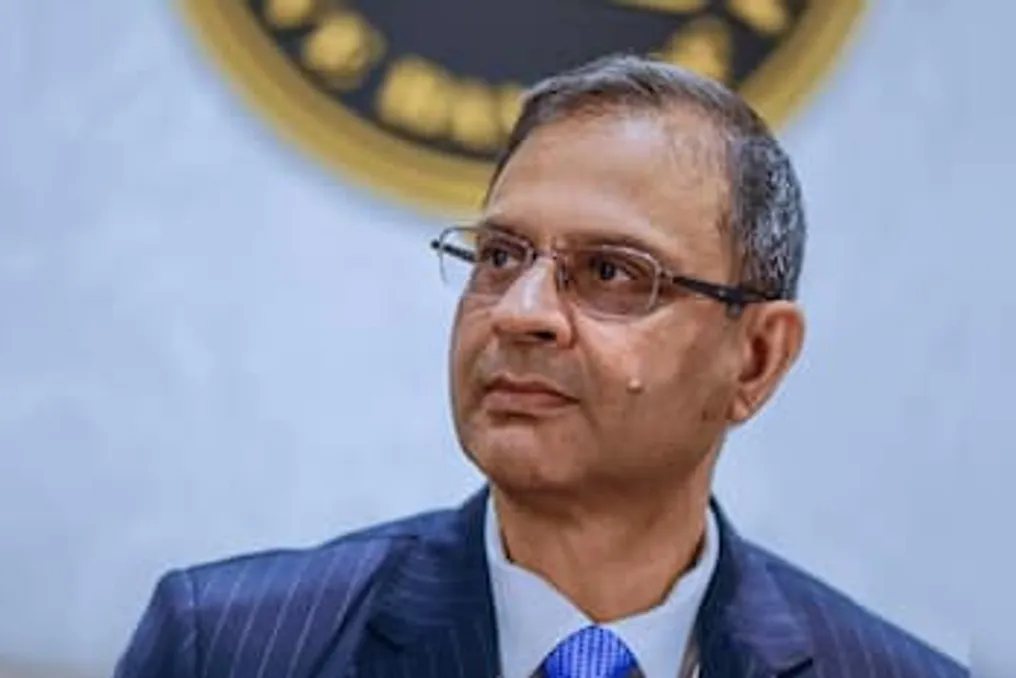
The Reserve Bank of India's (RBI) Monetary Policy Committee stated that a reduction in interest rates is unlikely in the near future, as committee members expressed concern over rising inflation. The meeting minutes published on Wednesday show that despite unanimous support for a 25 basis point rate hike, two members opposed shifting the monetary policy from neutral to 'calibrated tightening.'
The minutes of the meeting held from October 5 to 7 reflect an intention to change the policy outlook. RBI Governor Sanjay Malhotra stated that this shift indicates that a rate cut is not expected in the foreseeable future, leaving either a rate hike or a pause as possible next steps. He emphasized that the duration and scale of the tightening cycle would depend on core inflation, the spread of price pressures, and secondary effects of supply shocks.
Malhotra noted: 'Nevertheless, I believe it is appropriate to change the stance to calibrated tightening, essentially signaling that a rate cut in the near term is ruled out, and future policy actions can only be a rate hike or a pause, depending on evolving circumstances and forecasts.'
Arguments in favor of raising rates were based on changing inflation forecasts. Consumer Price Index (CPI) reached 4.8% in August compared to 4.5% in July, and core inflation rose to 4.2%. The MPC projected inflation at 5.2% for 2026–27, expecting it to reach 6% in the third quarter, the upper limit of the RBI's acceptable range.
Although members agreed on the need for a rate hike, they disagreed on how widespread and persistent inflation had become. Sougata Bhattacharya pointed to entrenched price pressures, citing a nearly 9% rise in wholesale input prices and the passing on of higher costs to consumers. He also questioned whether monetary conditions were too accommodative, arguing that current and projected real interest rates did not align with price stability.
Bhattacharya stated: 'In India, since the August 2026 review, some inflation growth risks have started to materialize. Data increasingly suggests that price pressures are becoming embedded in the economic system.'
Indranil Bhattacharya urged the MPC to move away from a 'cautious bias' and act preemptively. He referenced the sharp rise in weighted median and trimmed median inflation, as well as higher inflation expectations among urban and rural households. Singh also pointed to signs of inflation broadening, citing the RBI's September household survey which showed the median three-month inflation expectation rising to 9.9%. He warned that the real repo rate could become negative given the projected inflation trajectory. However, he advocated for gradual and moderate rate hikes rather than prolonged high rates. He argued that tight policy could signal a protracted hiking cycle and undermine recent growth support measures.
Kumar, conversely, insisted that inflation was largely driven by supply factors, with little evidence of overheating or broad price increases. He felt that a neutral stance remained appropriate amid geopolitical and trade uncertainty.
Deputy Governor Poonam Gupta, who proposed the stance change, stated that inflation is primarily caused by external supply shocks and shows limited signs of embedding. Nevertheless, she argued that the MPC cannot wait for definitive proof of secondary effects, given the lag with which monetary policy affects prices. Gupta reminded that during the post-pandemic inflation targeting period, the MPC acted whenever inflation reached the acceptable limits, helping maintain confidence in the system. She added that further interest rate hikes might occur, depending on incoming data on inflation, its basket spread, and secondary effects.
The minutes also reflect concerns about the risks of excessive tightening. Bhattacharya noted that domestic financial conditions have already tightened significantly, reducing the need for major policy action. He stated that the pace of further rate hikes must be carefully calibrated, warning that rapid adjustments could constrain growth and weaken growth-oriented capital flows upon which India depends.
He also highlighted vulnerabilities in India's balance of payments amid tight global financial conditions, noting the importance of maintaining an interest rate differential with G7 economies to attract debt flows. Global uncertainties mentioned in the committee's assessment include renewed tensions in the Middle East, crude oil price volatility, and the US Federal Reserve's 25 basis point rate hike in September amid rising global bond yields.
The next MPC meeting is scheduled for December 2–4. By then, committee members will have two additional inflation indicators and a clearer assessment of what portion of the supply shock is being transmitted into domestic prices.