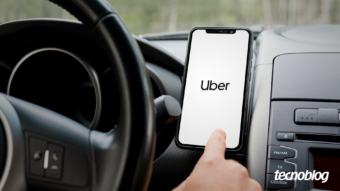
Uber introduced the 'Pickup Preferences' feature this Wednesday, October 21st, focusing on meeting the needs of the elderly and people with disabilities. This new functionality aims to simplify the boarding process, allowing these passengers to provide detailed instructions to drivers on how to locate them at the point designated by the app.
With this addition, users can specify visual characteristics to aid identification, as well as choose the preferred method for the driver to signal their arrival. For example, it is possible to request that the driver use headlights instead of honking the horn, or to call the customer by name.
The release of this feature will occur gradually for all account profiles in the coming days. This feature complements other existing accessibility tools on Uber, such as the option to indicate a disability, screen reader support, and the Senior Account, which was developed to make the app interface simpler.
The driver will automatically receive all instructions on how to find the user. The app will notify if the person uses a cane, sunglasses, crutches, walker, or wheelchair, among other items, and will indicate the preferred communication method upon arrival. For the customer, they just need to configure everything directly in the app so that Uber knows how to act in all situations.
Identification markers are customizable, but it is possible to activate multiple types of alerts for the driver's arrival. Options include calling the customer's name, initiating contact via the app, turning on lights, or using the horn.
Furthermore, other accessibility settings remain available. The Senior Account, for example, optimizes icons and adjusts buttons to provide a better experience for the elderly, while screen reading features, such as Talkback and VoiceOver, also operate in the app. The Uber app also allows the user to report any disability or identify themselves as a guide dog owner.
Customers with disabilities are entitled to exemption from waiting fees, unlike other users, who can request reimbursement for these costs. The procedure to activate the new feature is uncomplicated and can be done entirely within the app itself. Additionally, the company assures assistance for other accessibility issues not initially covered, maintaining a psychological support channel available for cases of discrimination experienced during rides.