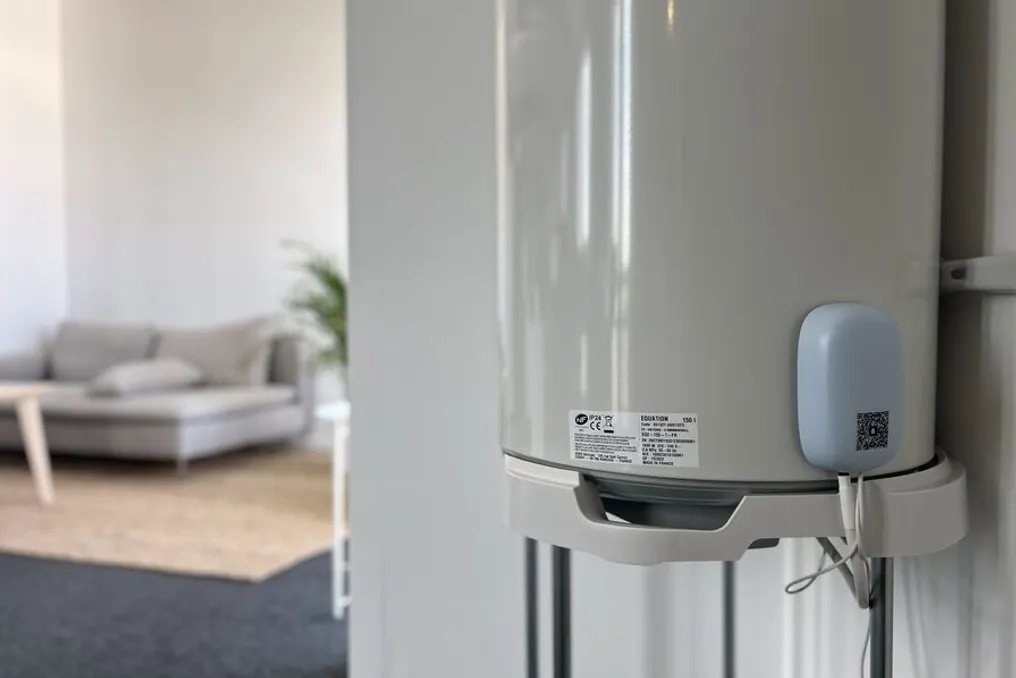
Elax Energy raises 30 million euros to turn water heaters into smart grid batteries
Read more
Ventureburn
ventureburn.com

Elax Energy raises 30 million euros to turn water heaters into smart grid batteries

Elax Energy, a French innovator in climate technology, has secured significant funding of 30 million euros in a new round. The company's goal is to transform standard water heaters into a distributed energy storage network to stabilize the national power system.

Instead of creating a futuristic super-battery, Elax Energy focuses on modernizing existing household appliances. Adding smart thermostats to standard tanks allows millions of homes to become a distributed energy storage network.

The principle of operation relies on the high heat capacity of water. If a water heater heats water at noon, when the system is saturated with solar energy, that hot water will be available for a shower in the evening. Thus, the appliance stores cheap and surplus electricity in the form of heat.

Elax Energy technicians install a connected thermostat on an existing boiler in about twenty minutes, without the need for complex integration with home Wi-Fi. The device operates autonomously via its own mobile connection, learning the unique consumption habits of the household to know precisely when hot water is needed and when it is not.

The system prevents unnecessary overheating and precisely regulates heating cycles, synchronizing them with the cheapest and cleanest hours on the grid. These 30 million euros will be used to expand Elax Energy's operations. Previously, the company operated discreetly, equipping about 100,000 residential units in social housing complexes across France.

Although the company has proven the equipment's viability on a large scale, entering the private market presents a completely different challenge. With support from major investors such as Crédit Mutuel Impact, Fonds Révolution Environnementale et Solidaire, and Noria, Elax is preparing for large-scale expansion in the residential sector.

The company aims to implement this technology directly in private homes. The transition from institutional landlords to individual homeowners is a complex step for any startup, but the new capital gives them the opportunity to enter the market, deploy the product, and guarantee real savings for consumers.

Time is critical as France transforms its energy strategy, shifting billing hours away from peak demand directly into the middle of the day to absorb surplus solar energy. The standard 'heat with the heater at night' mode no longer makes sense. Furthermore, the recent October flexibility pact in the country has created significant pressure on giants like EDF and Octopus Energy to control equipment on a large scale, and Elax fits perfectly into this picture.

In partnership with the environmental consulting firm Carbone 4, the startup confirmed that its smart technology reduces water heater energy consumption by 20%–25%. When multiplied by millions of households, this creates a highly sensitive, flexible network asset capable of absorbing renewable energy exactly when the wind blows or the sun shines.

While grid flexibility may sound like corporate jargon, the ultimate goal is deeply personal. Since global energy grids struggle with balancing unpredictable green energy, costs usually fall on the consumer. Transforming ordinary appliances into elements of a smart grid changes the rules: you get direct savings on water heating without changing your showering habits. This is a climate action that benefits you, making this funding round one of the most interesting of the year.
Similar stories

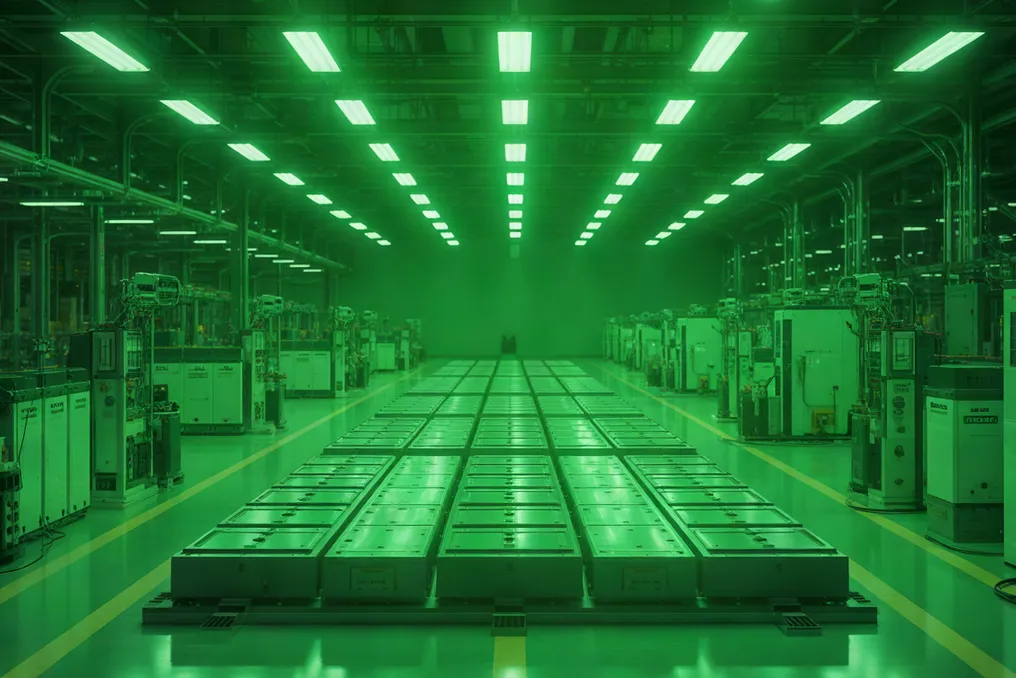
Peak Energy raises $108 million to scale sodium-ion energy storage
Read more
ventureburn.com

Peak Energy raises $108 million to scale sodium-ion energy storage

Peak Energy, a semiconductor company, has successfully raised $108 million in a re-signed Series B round. The round was led by General Motors Ventures, with participation from Maverick Silicon, Infinite Capital, Eclipse, Xora Innovation, and LG Technology Ventures.

The Sacramento-based company develops sodium-ion energy storage systems for large-scale energy grid needs. The capital raised will be used to expand internal production and enter the data center market. Furthermore, Peak Energy intends to fulfill over $1 billion in existing customer orders.

The company was founded in 2023 with the goal of creating more affordable and safer solutions for large-scale energy storage. It utilizes sodium-ion battery technology equipped with an innovative passive cooling system, which reduces costs without the need for traditional active cooling systems.

This investment comes amid growing demand for power infrastructure. Data centers, for example, consume significant amounts of energy to run artificial intelligence applications. Storage systems can help relieve pressure on the power grid and increase electricity supply reliability.

The Peak Energy system is designed to reduce the operational and maintenance costs associated with standard energy storage installations. The passive cooling architecture eliminates the need for energy-intensive cooling systems. The company claims that this design can reduce energy costs by up to 20%.

The platform is also intended to minimize maintenance requirements and improve operational reliability. Peak Energy states that its systems require no scheduled maintenance, do not use water, and are virtually silent.

Safety remains a key aspect of the company's approach. Peak Energy asserts that its design eliminates the primary causes of battery fires. These characteristics could make its systems attractive to communities located near large storage facilities.

Sodium-ion technology offers an alternative to lithium-ion batteries. Sodium is an abundant material that can support domestic supply chains. Peak Energy focuses its platform development on utility-scale storage rather than consumer electronics.

Peak Energy is expanding its manufacturing operations by building a new facility in Sacramento, California. The plant is designed to provide an annual production capacity of four gigawatt-hours. Production is scheduled to begin in the first quarter of 2027.

This facility will help the company increase output as customer demand grows. Peak Energy has entered into commercial agreements with Jupiter Power, RWE, and Energy Vault. According to the company, its current commitments exceed $1 billion.

In June 2026, Peak Energy announced a strategic partnership with General Motors. The companies plan to jointly develop next-generation sodium-ion batteries for energy storage systems. GM will contribute its expertise in domestic battery manufacturing and industrialization.

Peak Energy plans to use the new funding to enter the data center market. The growth of artificial intelligence has increased pressure on power infrastructure. Operators require reliable power solutions that allow them to grow without incurring high costs.

The company states that its passive cooling system can provide a 'competitive advantage' to facilities with limitations regarding space, water, and safety. Project implementation will depend on progress in manufacturing and successful commercial deployment.

General Motors Ventures sees potential in the company's approach. Its president, Kevin McCabe, emphasized the potential of this technology as a cost-effective solution using abundant, domestically produced materials. The planned production launch in 2027 will be a major milestone for the company.

Popular