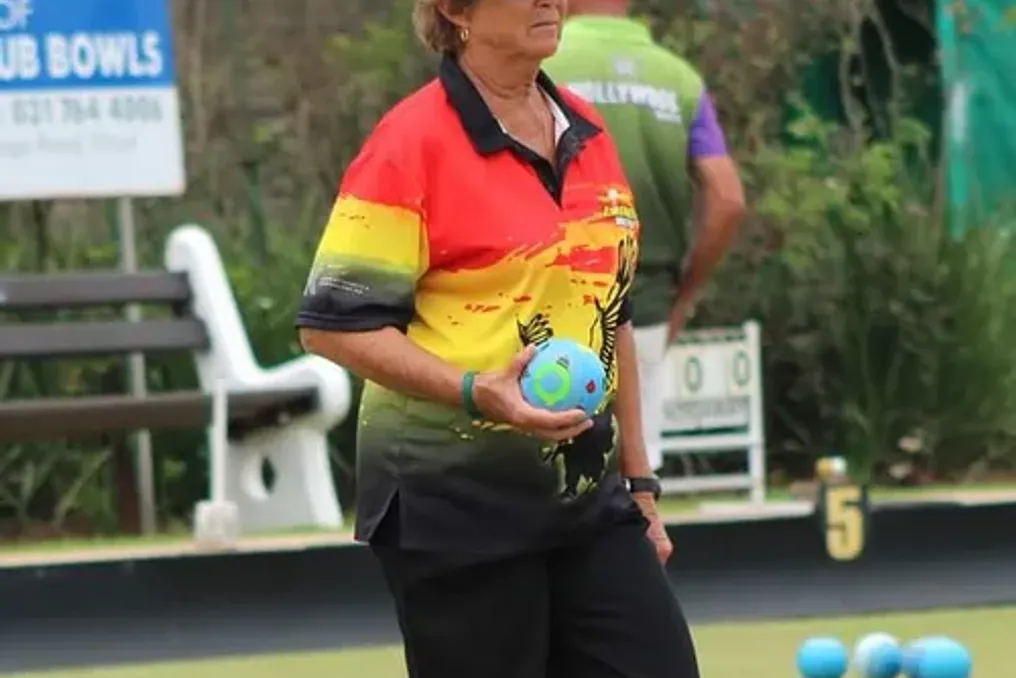
On Saturday, November 14th, the Port Natal Bowls district teams will face NIBA in a match that will test whether the selectors managed to combine technical skill, tactical awareness, mental resilience, and team chemistry into winning lineups.
However, what distinguishes a good four-player team from a championship one? Four captains of the PNB Open teams were surveyed about the requirements of leadership for four individually talented players toward a common goal, where confidence, measured decisions, and team unity can decide the outcome of the battle between victory and defeat.
Susan Nel, drawing on her international experience, emphasized that a captain is responsible for leading with composure and conviction. The captain must unite the team by providing support and ensuring that every player feels their value and confidence in their abilities. Maintaining calm under pressure is critically important, as overconfidence can determine the match's result.
Nel recalled a decisive moment when she represented South Africa at the Commonwealth Games against Malaysia. When South Africa was trailing and Malaysia held the shot, Nel was assigned to throw. Her ball eliminated the opponent's shot, allowing South Africa to score five points and take the lead. This episode demonstrated how one confident decision can change the course of the game.
For Glenda Matthews, team chemistry is fundamental to achieving success. Harmony, trust, and mutual respect allow each player to understand their role and feel significant. She believes that a calm and stable game progression lays the foundation, while the second player shapes the head through precise and controlled running shots. The third player must combine strategic thinking, communication, and accurate measurement.
As a captain, Matthews balances risk and reward when making decisions about shot selection and moments when she throws herself. Trust develops when players listen to different opinions, value each other's contributions, and work towards a common goal instead of imposing their own decisions. Acceptance, flexibility, and unity, both on and off the green, allow individual strengths to flourish.
Paul White focused on the tactical thinking behind championship shots. Usually, the lead player directs the ball to form a favorable head, while the second may be assigned to place a defensive ball behind the head, protecting against an opponent's running shot that could move the jack. The third player requires versatility, combining the ability to throw and make measured shots to move the jack, remove opponent balls, or disrupt a cluster.
White, known for his destructive running shots, described his favorite scenario: if there is a clear path to the jack and his team's balls are gathered behind it, he will attempt a measured shot to drive the jack into that cluster, turning a promising head into a winning position.
Wayne Roberts believes that representing PNB is a privilege that becomes even more enjoyable when the team works cohesively. He posits that the greatest test comes when games heat up and pressure mounts, demanding mutual support and trust in each player's abilities. Roberts views the challenge from NIBA as preparation for the BSA Inter-district, where he expects fierce competition. Although PNB particularly enjoys beating JBA, he acknowledges the strength of every opponent.
Confident that his team can beat any district and win gold, Roberts hopes to turn district pride, unity, and belief into a championship performance. Ultimately, all these captains agree that success requires more than just individual brilliance. Tactical judgment, trust, composure, and the four players working as a unit will be vital when PNB meets NIBA.