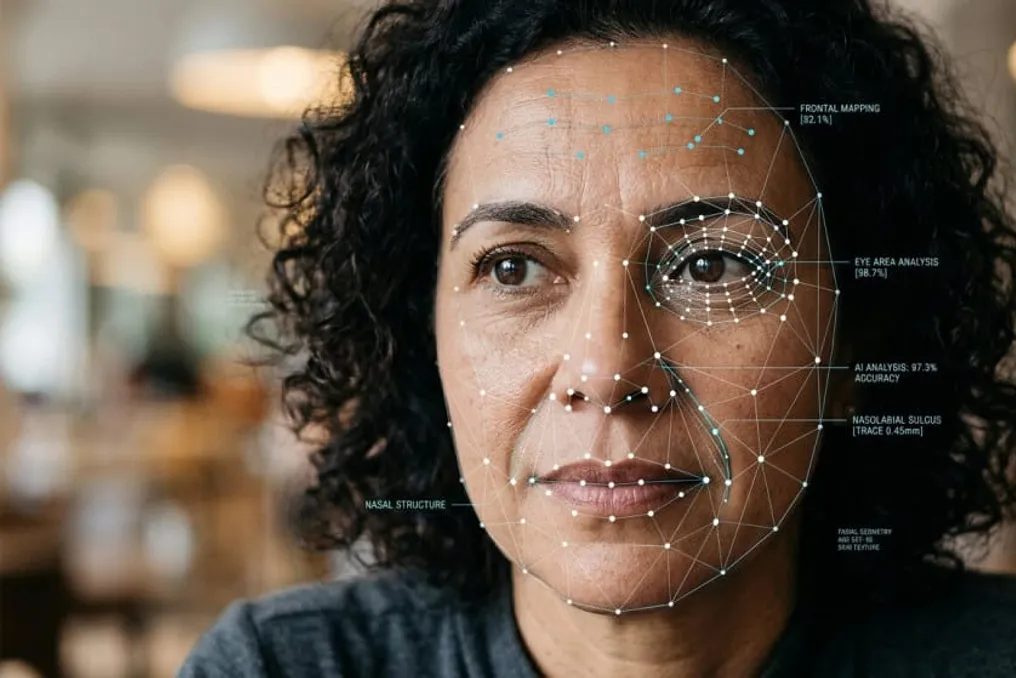
Researchers from Boston have developed an artificial intelligence model capable of analyzing a patient's face and classifying their survival risk without requiring scans, blood tests, or hospital equipment.
The system, named Foundation Artificial Intelligence for Health Recognition-Face, or FAHR-Face, was presented in a new study on the development and validation of the model published in The Lancet Digital Health. This foundational model was trained on over 40 million facial photographs covering diverse ethnic groups and age categories. Two tools were created based on this model.
The FAHR-FaceAge tool is designed to estimate a person's biological age—how they look, rather than their date of birth. It can also predict mortality risk directly from a facial image. To perform the survival assessment task, researchers refined the model using 34,363 photographs of cancer patients and tested it on two independent patient datasets. Their analysis took into account established clinical prognostic factors, rather than relying solely on the face for diagnosis.
The results were significant: patients categorized in the top quartile of highest risk in FAHR-FaceSurvival had more than three times the mortality rate compared to those in the lowest risk quartile, with a hazard ratio of 3.23. Higher predictive accuracy was achieved by combining the age and survival models, as both systems captured different information.
According to The Guardian, individuals who looked five years older than their chronological age had a 21% higher risk of death during the average four-year observation period. Conversely, those who looked five years younger showed a 17% lower risk. However, the authors emphasize that this does not mean the application can determine a person's life expectancy from a selfie. The model ranks statistical risk in groups, rather than providing an individual end-of-life date, and the researchers note that further work is required before routine clinical application.
Dr. Raymond Mac, a radio-oncologist from Mass General Brigham and one of the study's co-authors, stated that doctors need more sophisticated methods to assess patient frailty before recommending radiation therapy, surgery, or systemic therapy to elderly people. Mac noted: 'Our goal is to make health assessment based on facial photographs more quantitative, consistent, and scalable so that it can support personalized treatment decisions, not replace physician judgment.'
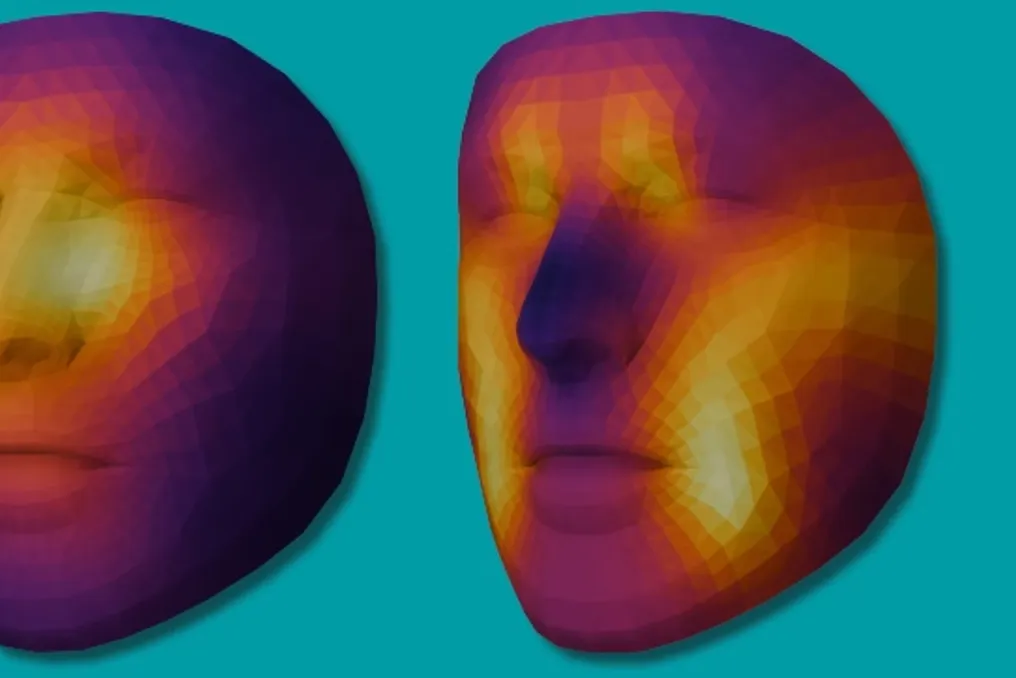
The biological age model demonstrated sufficient robustness despite variations in pose, lighting, facial expression, and makeup, showing an average absolute age error of 5.1 years on public datasets. Both tools analyzed different facial areas: FaceAge focused on the mouth, forehead, and temples, while FaceSurvival concentrated below the eyes and around the bridge of the nose.
The study also established a link between heavy alcohol, drug, and smoking use and older facial age, suggesting that the model may capture accumulated frailty and health damage visible in facial features. Beyond clinical prospects, there are commercial interests: Mass General Brigham has filed a US patent application for next-generation facial health algorithms, and the research itself was funded by the European Research Council.
Hugo Aerts, another co-author, called this the first demonstration that AI can directly predict cancer survival from a simple picture. Proving accuracy in hospital settings will remain a complex challenge.