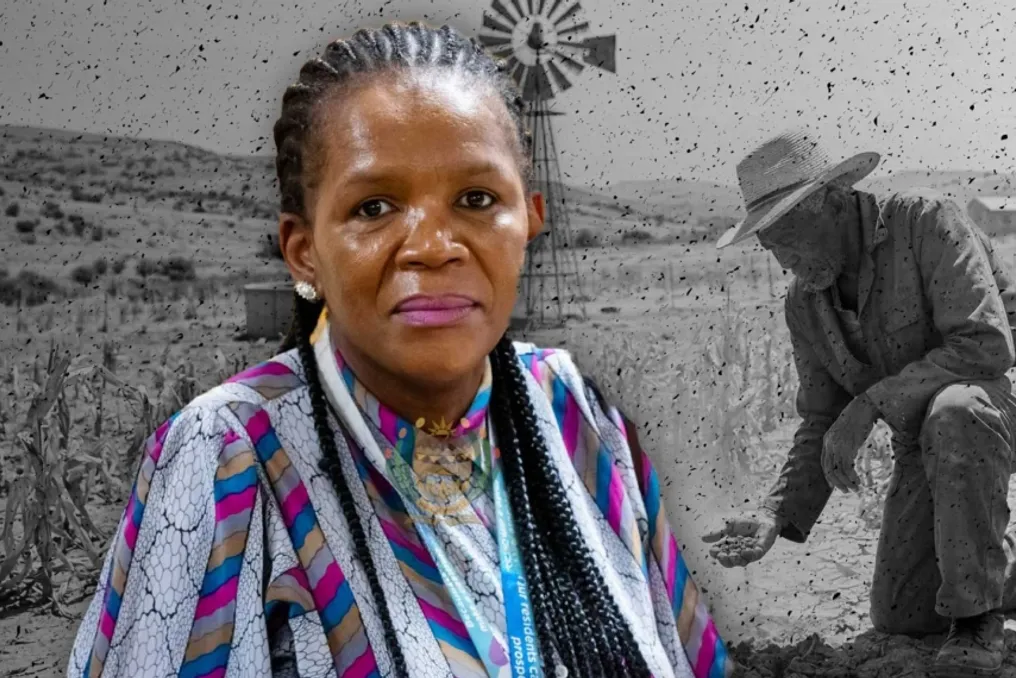
Although settlements and informal areas were not originally intended for agriculture, small farmers continue to create agricultural sources of income in these locations. MPL Nobulumko Nkondlo examines how municipal enforcement and lack of land threaten small farmers in the Western Cape, calling for access to land and fair regulation.
The issue of land remains a fundamental problem and a historical grievance for most Black populations, many of whom remain on the periphery of the prosperous agricultural economy of the Western Cape. Small, subsistence, informal, and new farmers are often perceived as an impediment to the main economy rather than as participants who deserve recognition and support.
Across the province, municipalities are increasingly preferring to respond to informal agriculture through the application of laws rather than through engagement. Norms, regulations, and legislation are applied strictly, while the material realities that make compliance difficult are largely ignored. The question arises: when does a lack of land become a crime?
The Western Cape has a strong agricultural economy, but many small and informal farmers cannot secure the most basic condition for farming—access to land. During monitoring work in Garden Route and conversations with farmers across the province, a common picture emerged: these farmers are trying to build livelihoods with limited access to land, capital, infrastructure, markets, and state support.
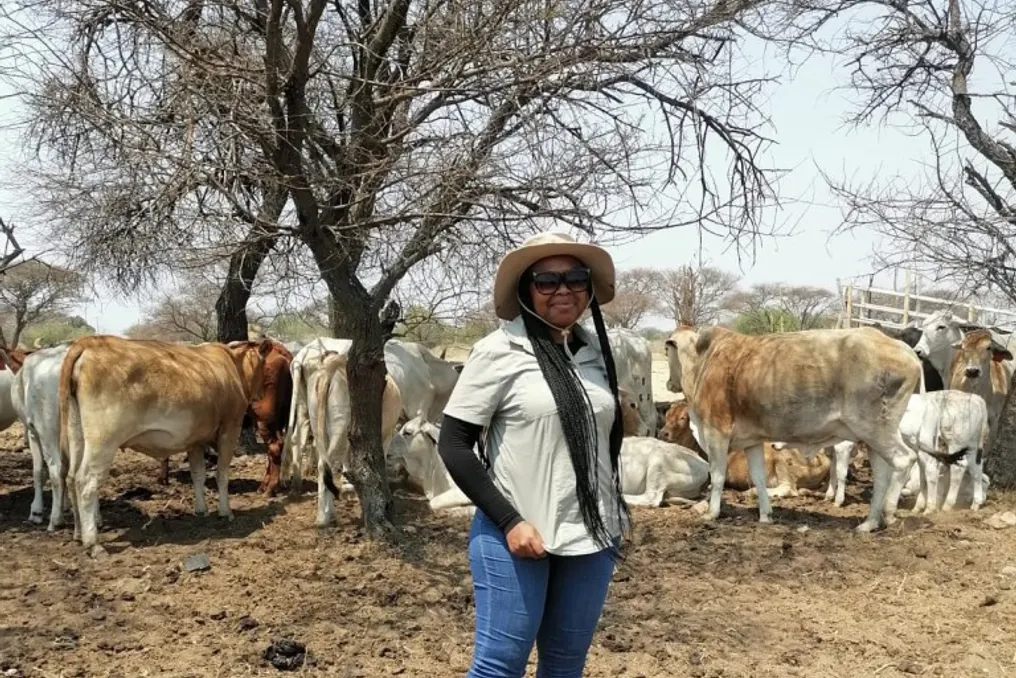
With farmers in George and Knysna, we spoke about those who keep livestock as a source of income and food for their households. Others cultivate small plots or combine farming with other forms of employment. Their activities may be informal, but the livelihoods they sustain are real. The author does not argue that municipalities should not enforce their rules. They are responsible for regulating public spaces, protecting communities, and ensuring animal health and safety.
However, law enforcement must not become an end in itself. Laws must be applied fairly and with an understanding of the circumstances of the people they affect. When the response to informal agriculture is reduced to fines, confiscation, or animal destruction, the government risks destroying the very livelihoods it should be helping to develop.
For example, in the municipality of Witzenberg, on July 20, 2026, more than ten emerging farmers, owning over 300 sheep and cattle, received a 14-day notice warning that livestock grazing on municipal land could be confiscated. It is reported that these farmers had used the land for many years and were known to the municipality.
Removing livestock without providing a realistic alternative does not solve the root cause of the problem; it merely shifts it from one place to another. A similar experience was shared by Mr. Fezile Phama, who used open land along the N7 highway after being unable to find pasture for his livestock. He approached the City of Cape Town for clarification regarding land and the possibility of purchase. Receiving an unclear answer, he continued to use the land. Subsequently, the property was acquired by a commercial farmer, and Mr. Phama's livestock was confined on the premises for several days. He reported that the animals subsequently died due to the inability to obtain adequate food and water.
In George and Knysna, small farmers expressed similar concerns about the shortage of pastures. In Tambaletu, farmers faced livestock confiscation and fines of up to 20,000 rand if animals were found on roads. For farmers operating at a subsistence or small scale, such fines can wipe out a month's income. If they cannot afford to retrieve their animals, the consequence is effectively the loss of their livelihood.
This reflects the reality of the informal economy that municipalities cannot ignore. The problem becomes even more serious when animal health legislation is applied without considering the conditions under which informal farmers operate. Animal health laws and biosecurity measures are important tools for protecting the agricultural sector from infectious diseases.
However, these measures must not turn into instruments by which lack of land and informality become permanent non-compliance. This creates a cycle: no land, no official recognition; no official recognition, no support; no support, continued non-compliance; and continued non-compliance leads to further coercion.
The experience of pig farmers in Cape Agulhas illustrates the devastating consequences. In 2025, about 900 pigs in Zwelitshe, Bredasdorp were destroyed due to fears of African swine fever. Farmers questioned whether they had been properly informed and expressed concern about the process and testing. This incident left small farmers facing significant economic losses.
Recently in Kwanonkab, Mossel Bay, nine pigs were seized from a piggery following concerns about animal welfare, including shelter, bedding, water, drainage, and pen construction. The SPCA indicated that warnings had been issued for several years. Nevertheless, farmers also pointed to physical limitations of the site, including its slope, clay soil, and inadequate drainage, and requested engagement with the municipality and SPCA to find a workable solution.
The lesson taught by these cases is not that regulation should be abandoned. Rather, that regulation without a path to compliance can become a mechanism of exclusion. Municipalities often view the informal economy as something that needs to be formalized, controlled, or eliminated. But you cannot simply expect informal farmers to mimic the commercial agricultural sector.
They require a different, practical ecosystem that recognizes their scale and circumstances while gradually improving standards. This requires municipalities to provide land, define grazing areas, ensure basic infrastructure, establish clear registration systems, and engage with farmers before coercion reaches a critical point.
It also requires us to resist the spatial legacy of apartheid. Settlements and informal housing areas were not designed as productive economic spaces. They were primarily designed as dormitories for cheap labor. Decades later, municipalities still have not adequately reorganized land, infrastructure, and planning systems to support the economic activities of the people living there.
The issues raised here are based on monitoring conducted in places like George, Witzenberg, and Cape Agulhas, as well as direct conversations with informal farmers. What is consistently evident is that these farmers are not asking the government to abolish regulations or lower standards. They are asking for land where they can farm, infrastructure that allows them to comply with rules, clear guidance from municipalities, and a real opportunity to participate in dialogue when difficulties arise.
Therefore, the Western Cape government must move away from an approach based primarily on coercion. Fines, confiscations, and destruction may ensure compliance, but they do not create livelihoods. If municipalities continue to use rules and legislation as blunt instruments against people working in the informal economy, they risk turning regulation into a mechanism that destroys the very economic activity they are supposed to support.