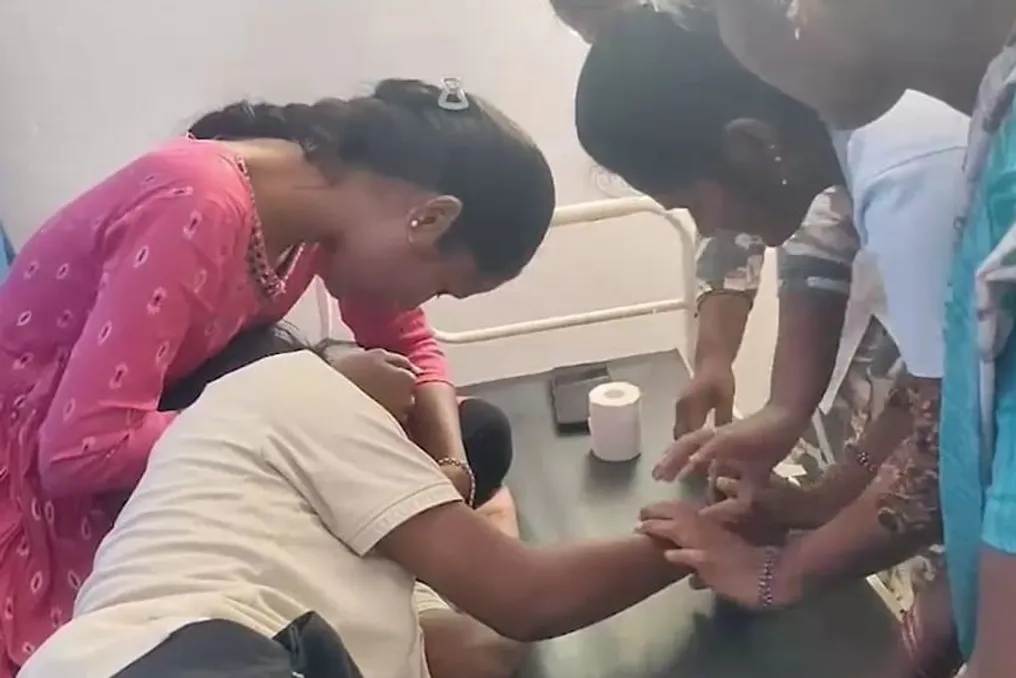
Rhodes University has confirmed an outbreak of gastrointestinal illnesses among members of the university community. According to a statement published on Tuesday, more than one hundred cases of illness of unknown origin have been registered.
The university, located in Makhande in the Eastern Cape, reported a cluster of such ailments. A university representative, Olwetu Gwanya, told the IOL that just over one hundred cases were recorded among students.
Subsequent checks with local medical personnel showed that similar cases are being recorded in other parts of Makhande, suggesting a possible spread of the problem beyond the university campus.
Investigation to determine the cause
The institution is urgently cooperating with local public health authorities and environmental health specialists to determine the scale and possible cause of the illnesses. While the investigation continues, preventive measures have been introduced on campus, including emergency testing of water quality in hostels, ensuring safe drinking water in cafeterias, and strengthening food preparation precautions.
Affected students are under observation, and medical assistance has been coordinated. The university strongly recommends that staff and students adhere to hygiene rules and safe handling of food and water both on and off campus.
These recommendations include consuming boiled, chilled, or bottled water, using safe water for cooking and brushing teeth, avoiding ice and raw products washed with untreated water, as well as regular hand washing with soap and water. If symptoms such as diarrhea, vomiting, abdominal cramps, or fever appear, it is important to maintain fluid balance with safe liquids and seek medical attention, especially if symptoms are severe.
Call for community to follow safety guidelines
Gwanya emphasized that the university takes the health of its community seriously and is ready to respond promptly and responsibly as the investigation continues. Further updates will be provided as verified information becomes available.
The situation in Makhande occurred after President Cyril Ramaphosa apologized to residents of Tshwane affected by the water pollution crisis in Bronkhorstspruit, where at least 408 cases of gastrointestinal illness were recorded. Speaking during a campaign rally in Davington Ekurhuleni on Tuesday, Ramaphosa stated that national intervention became necessary after the City of Tshwane was unable to ensure proper water treatment. He noted: 'We deeply regret that this led to a gastrointestinal illness problem that affected a large number of people.'