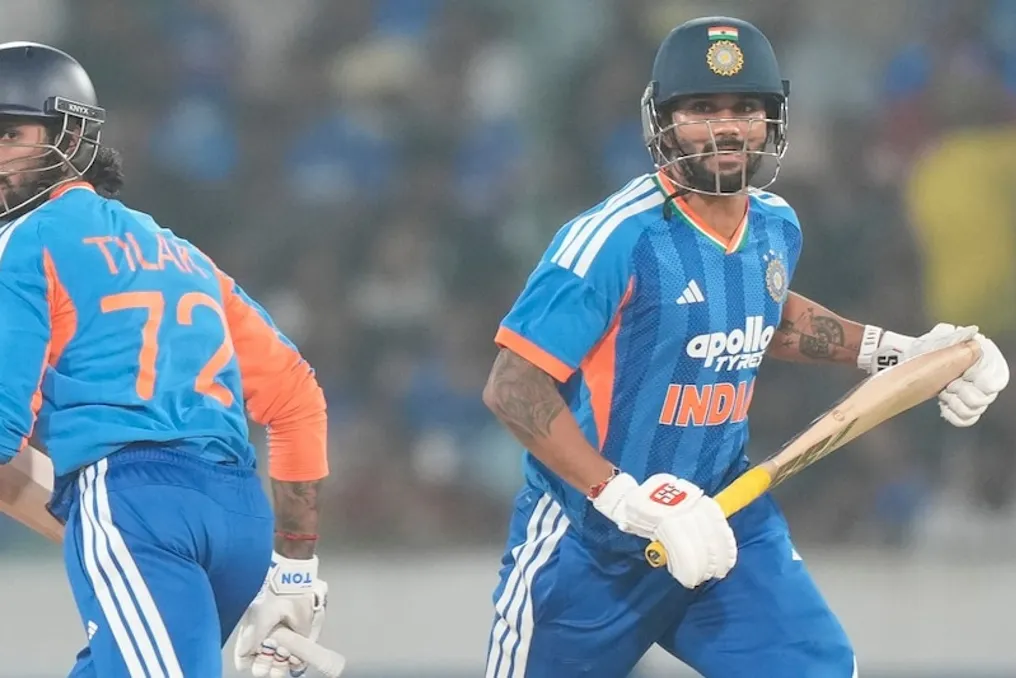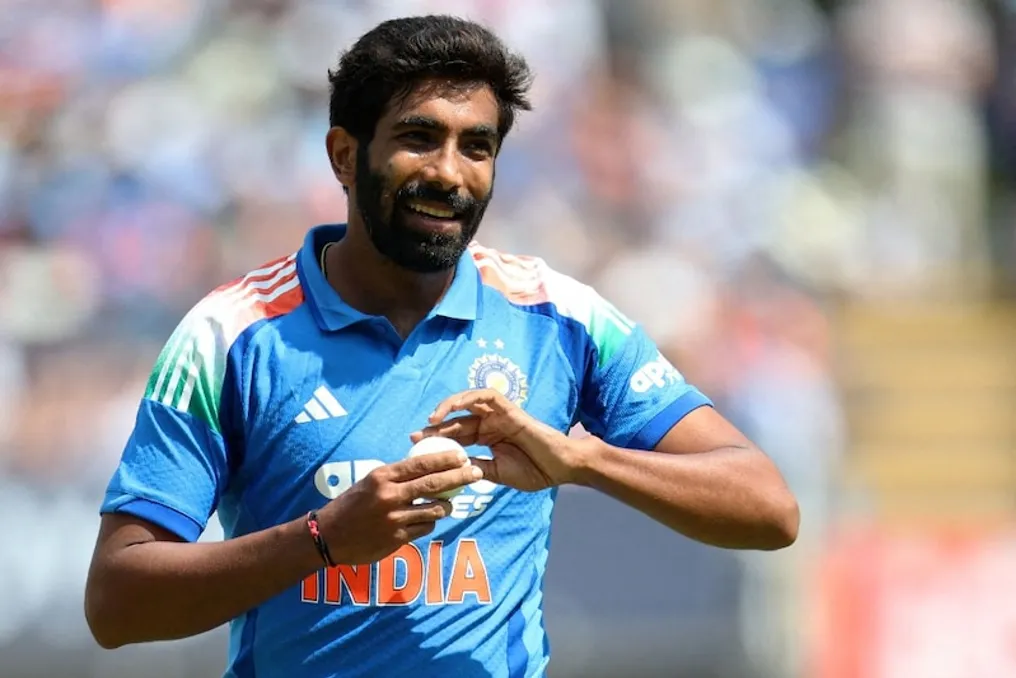
Despite challenging conditions, such as those favorable to New Zealand's fast bowlers, cold weather, and constant competitive pressure, India's captain, Shreyas Iyer, emphasized that the team would not look for excuses but would focus on finding a path to victory.
According to him, discussions in the dressing room revolve around how to achieve victory despite the existing difficulties. The first match of the five-match T20 tournament between India and New Zealand will take place on October 22nd in Christchurch and start at 12:30 Indian time.
India recently concluded a home series against Afghanistan and West Indies, followed by participation in the Asian Games. Immediately after this, the tour of New Zealand became another test for the players. Adapting to new conditions amidst constant travel and matches is not easy, but Iyer believes the team is accustomed to such a schedule.
Before the series against New Zealand, Iyer stated that the Indian squad must focus on the winning plan rather than dwelling on reasons. He acknowledged the packed schedule but noted that the central theme of discussions in the dressing room is the strategy for achieving victory.
Iyer cited the tour of Ireland as an example, where the team continued traveling and playing matches after the series against Afghanistan. In his opinion, getting used to constant matches and changing environments is part of this sport.
For India, the most important task in New Zealand conditions will be developing the correct tactics to counter fast bowling. There might be a difference between the support batsmen receive on home grounds and the nature of New Zealand pitches, where pace and movement can test batsmen's skills.
Iyer noted that the conditions in New Zealand are not entirely unknown, citing the game in England, where pitches were also prepared considering local conditions. Nevertheless, predicting pitch behavior on any given day in advance is difficult.
The Indian captain insisted that the team will try to adapt to the conditions as quickly as possible. After training sessions, players will be able to better assess the pitch and circumstances, based on which they can formulate their strategy.
Indian T20 captain Shreyas Iyer admitted that there has been a lack of experience in India's batting line-up recently. He mentioned that the return of experienced fast bowler Bhuvneshwar Kumar will help address this deficit. The 36-year-old Bhuvneshwar returned to the Indian T20 team after four years and was selected to participate in the five-match series against New Zealand starting on Thursday. According to Iyer, many new bowlers have joined the team after the IPL, so Bhuvneshwar's experience will be of great value to the team.
Iyer conceded that New Zealand might have an advantage due to playing on home soil. The hosts are well-acquainted with various stadiums and local conditions, which could play a decisive role in the match.
However, in Iyer's view, the Indian team possesses experience and good team chemistry. Since the team plays constantly, the understanding among players is also strong. Therefore, the Indian team will try to quickly understand the conditions and implement its strategy on the field.
Furthermore, for the players, the challenge remains fighting for a spot in the squad amid a strong bench. Iyer described the growing competition for a place in the team as a 'pleasant headache'. He believes that such competition motivates players to consistently perform well.
According to the captain, players must fulfill their roles according to the team's needs. Since Ishan Kishan performs well at number three in the current lineup, Iyer dismissed the possibility of his own advancement higher up. He stated that he can play any position, and this decision should be made based on the match situation and the team's needs.
Now it remains to see how successfully the Indian team can implement its plans in conditions favorable to New Zealand's fast bowlers. For Captain Iyer, the task is not only to achieve victory but also to keep the team on the right track amidst a tight schedule.