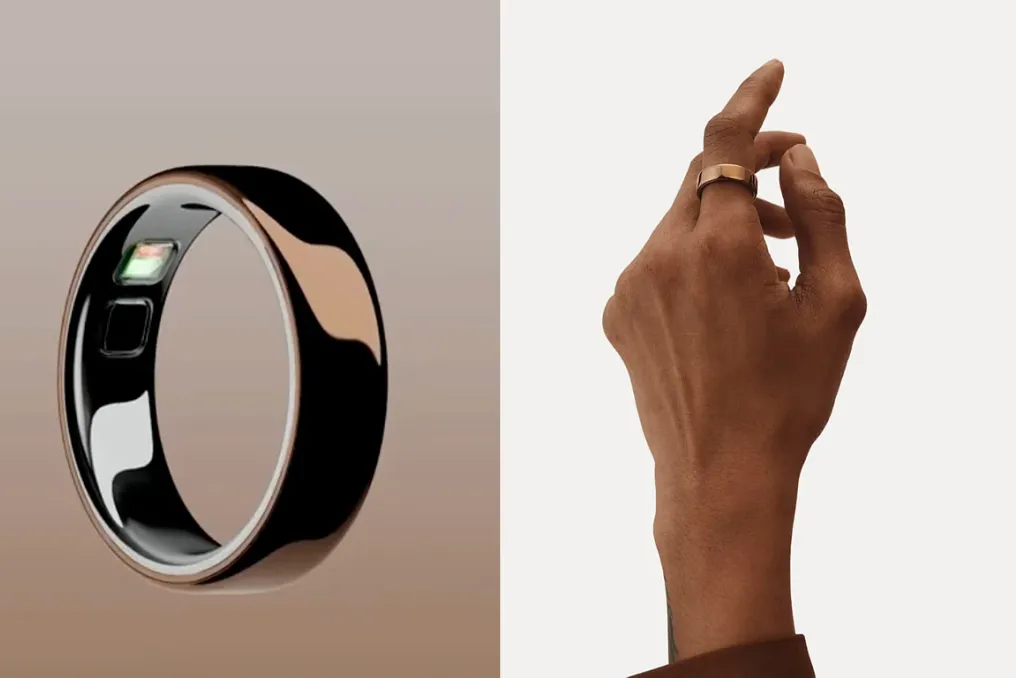
A new study has commenced in Abu Dhabi aimed at testing the feasibility of using a smart ring to alert doctors to the risk of preterm birth. This ring tracks parameters such as heart rate, sleep, and activity in pregnant women.
The 'Project Cradle,' which began on Wednesday, is overseen by the Abu Dhabi Department of Health (DoH) in collaboration with medical technology company Oura. The research seeks to determine if continuous biometric data can identify signs of spontaneous preterm labor before it occurs.
Researchers will monitor high-risk pregnant women throughout their entire period—from conception to delivery. They will combine data collected via the Oura Ring with clinical and genomic information to ascertain whether physiological changes in individual women can provide a reliable signal of impending preterm birth.
Preterm birth, defined as birth before 37 full weeks of gestation, affects approximately one in ten pregnancies globally. Earlier risk identification would allow physicians more time to implement supportive measures for fetal development, including treatment to improve lung and brain health, or to arrange transfer to a hospital with specialized neonatal care.
Initially, Corniche Hospital and Mediclinic Airport Road will participate in the study, with participant recruitment expected in the coming weeks. Results are anticipated to be published in 2028.
What will the ring track?
The Oura Ring continuously measures physiological indicators, including heart rate variability, heart rate, sleep, and activity levels. Specialists will analyze these measurements over time and compare them with clinical outcomes to determine if a sustained pattern emerges before spontaneous preterm labor begins.
Population-level studies have previously indicated that heart rate and its variability can change weeks before delivery. Project Cradle will test whether such changes can be reliably detected in individual women and if they occur early enough to be clinically useful.
The key question is whether researchers can establish a threshold that prompts medical teams to assess the woman's condition or take action. The study aims to investigate this possibility, not to immediately implement a new clinical alert system.
The research will proceed with ethical committee approval, informed consent, and within the DoH's data governance and trusted research environment framework. Participants will continue to receive standard medical care.
The Oura team, comprising over 50 staff physicians and scientists, will lead the data analysis and wearable device management.
From Research to Healthcare
Project CRADLE was announced by the Deputy Minister of Health of Abu Dhabi, Dr. Noura Khamis Al Ghaiti, and Oura CEO Tom Heil at the Abu Dhabi Future of Health Summit. This project is the first initiative under a long-term partnership between the two organizations, announced in May 2026.
The partnership intends to explore how continuous health monitoring can contribute to preventive medicine. Project Cradle is the first of three planned pilot projects, with a broader focus placed on women's health and cardiometabolic health.
Al Ghaiti noted that this project will help gather the necessary evidence for earlier detection of signs and ensuring timely and personalized care.
Heil emphasized that the partnership combines continuous physiological monitoring with clinical expertise to study how data from wearables can improve treatment outcomes.
Any wider integration of this technology into the Abu Dhabi healthcare system will depend on the study's results and regulatory approval.