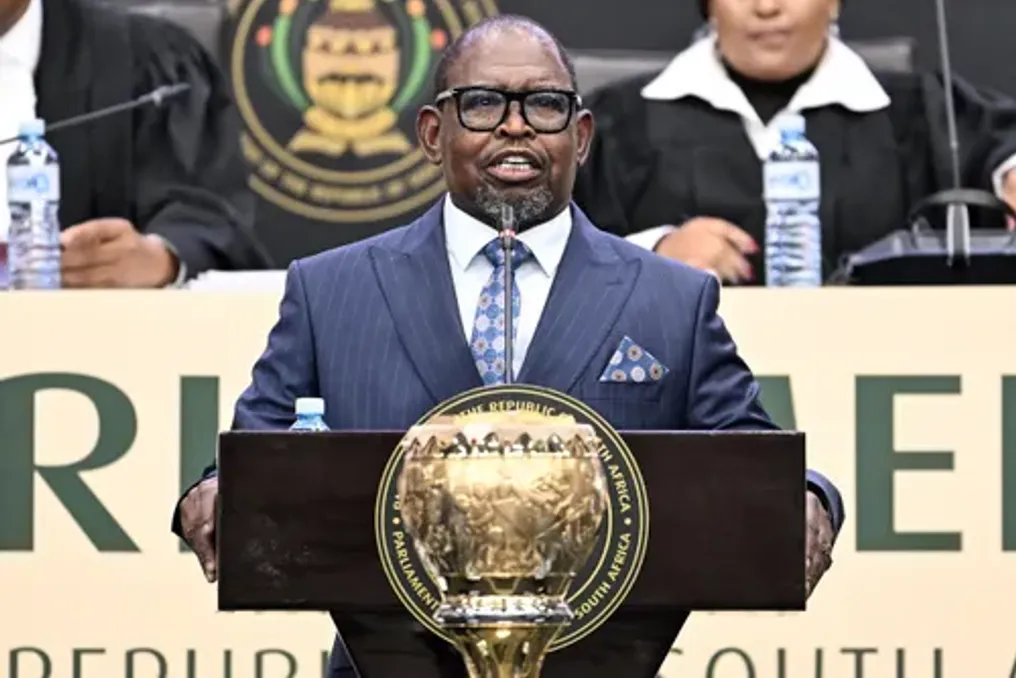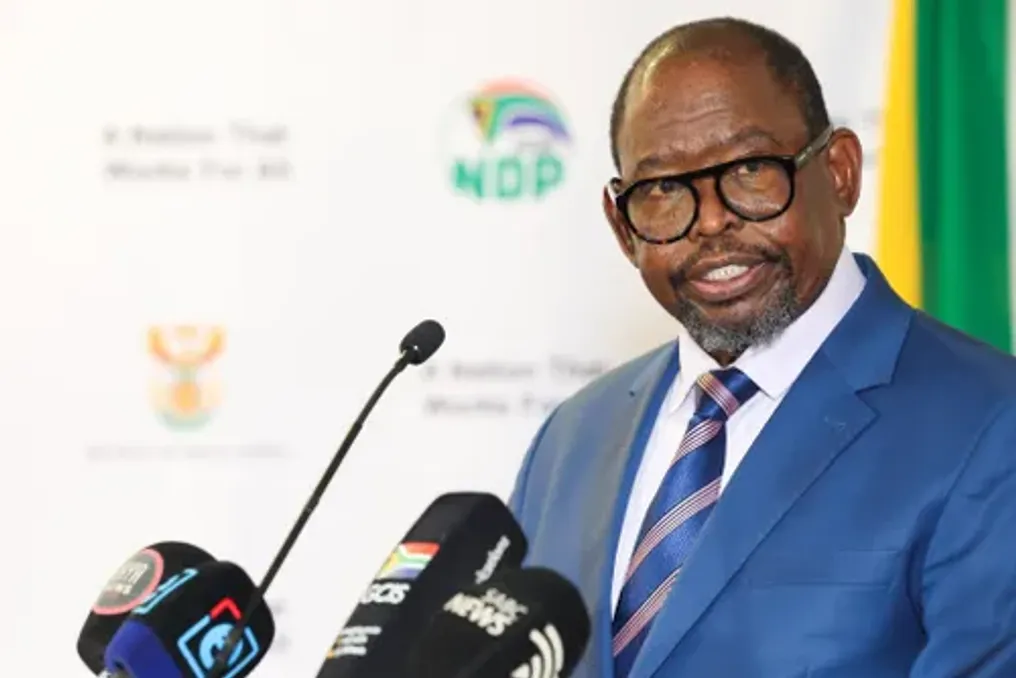
The unfavorable economic situation in South Africa, characterized by weak growth, increasing national debt, and rising pressure on the cost of living, will be under close scrutiny during Finance Minister Enoch Godongwana's presentation of the Medium-Term Budget Policy Statement (MTBPS) today. This comes against a backdrop of public demands for increased investment, improved public spending, and assistance for struggling households.
According to the Presidential office, President Cyril Ramaphosa is also expected to attend Parliament to present the MTBPS. Godongwana will present the National Treasury's economic outlook, government priorities, and plans for revenue and expenditure over the next three years, thereby setting the direction for the next national budget.
Presenting the economic assessment ahead of the statement, Siseko Maposa, director of the consulting firm Surgetower Associates Management Consultancy, warned that the government can no longer hide the country's deep economic problems behind optimistic promises. In his view, the 2026 MTBPS is unlikely to conceal the serious structural crises facing the country, despite eloquent rhetoric, as was the case in previous cycles.
Maposa pointed to persistently low growth, high national debt, and a population growing faster than the economy as key issues. He estimated the national debt at between 77.5% and 78.5% of GDP and noted that transport and logistics disruptions, along with global energy shocks driving up fuel prices, have intensified pressure on households.
Maposa also cautioned that simply cutting spending will not solve the country's economic problems, as debt servicing consumes a significant portion of government revenue. He stated that 'defensive austerity alone will not save the fiscal structure.' Instead, Maposa advocated for targeted investments in infrastructure and logistics, arguing that these sectors can stimulate economic activity, boost productivity, and help pull the economy out of stagnation.
The question of whether the government's efforts to control debt are making tangible progress is also a point of criticism from the EFF, which disputes the focus on achieving a primary budget surplus. The 2026 budget projected a primary surplus of 0.9% of GDP in 2025/26, expected to rise to 1.6% in 2026/27 and 2.3% by 2028/29. The government also forecasts debt stabilization at 78.9% of GDP. A primary surplus occurs when government revenues exceed expenditures, excluding interest payments on debt, which the Treasury believes helps reduce borrowing needs and interest costs.
However, the EFF argued that improving these figures is insignificant if unemployment remains high and people continue to struggle to access basic services. The party stated: 'Celebrating a surplus while unemployment rises is celebrating the wrong balance sheet.'
Beyond debates over debt and spending, the government is also facing calls for immediate assistance to households grappling with rising transport and food prices. Dr. Mmusisi Maimane, leader of Build One South Africa (BOSA), called for a temporary reduction in the general fuel levy, arguing that high fuel prices place additional pressure on consumers. Maimane insisted that a special allocation of 10 billion rand intended for fuel assistance be used to reduce the levy by 3 cents per liter in November. BOSA also demanded an investigation into the road insurance fund component within the fuel levy, expressing concern over the efficiency and management of this fund.
Fiscal policy is also being criticized for its role in addressing social problems related to harmful alcohol consumption. Kashefa Anser, project lead for the Rethink Your Drink campaign aimed at reducing alcohol harm from the DG Murray Trust, wants the MTBPS to clarify whether the government intends to implement a Minimum Unit Price (MUP). This policy would set a minimum price for a standard drink, making cheap hard liquor less accessible, especially to heavy consumers. Anser noted: 'These events show that the government understands that pricing and packaging sizes influence consumption patterns, and if we want to tackle alcohol harm, we must prevent excessive consumption.'
The campaign advocates for introducing MUP alongside changes to alcohol excise duties, not instead of them. Anser emphasized: 'MUP gives the government another lever to reduce harmful consumption without relying solely on tax increases. But it is not a replacement. If excise duties are reformed, MUP must accompany them. The strongest approach is to use both tools together.'
Cosatu party committee coordinator Matthew Parks stated that workers are besieged because 'unemployment is rising to dangerously high levels at 43.8%, the economy continues to develop sluggishly with an anemic growth of 1.2%, and working communities suffer from poverty, inequality, crime, and corruption.' He added: '2026 was particularly difficult due to the war in the Middle East, which led to a sharp rise in oil prices, hitting South Africa with gasoline prices increasing by more than 25% and diesel by 50%. This triggered inflation, caused two repo rate hikes, and pushed workers into even greater destitution.'