Two stone lions, originally from China, are located in the outer garden of the Yasukuni Shrine in Tokyo. These lions originated from the Sanshue Temple in Haicheng City, Liaoning Province.
During the First Sino-Japanese War, Japanese troops confiscated these lions and subsequently placed them under the main gates of the shrine. Historical records indicate that the removal was initiated by Arimoto Yamagata, who was then commanding the First Army of the Imperial Japanese Army and proposed presenting the lions to the Japanese Emperor. Following this, they were loaded onto carts with numerous mules and transported to Inkou along with their pedestals.
The fact of the seizure was documented in the publication 'Dianshizhai Pictorial,' a Qing Dynasty Shanghai publication, which featured an illustration showing Japanese troops transporting the stone lions from Haicheng. This scene was captured in print over a century ago.
In 2021, a civil organization in Japan, the 'Campaign for the Return of Chinese Cultural Heritage,' was established with the aim of repatriating Chinese cultural properties. According to official Chinese data, China lost no fewer than 3,607,074 cultural artifacts by the end of World War II.
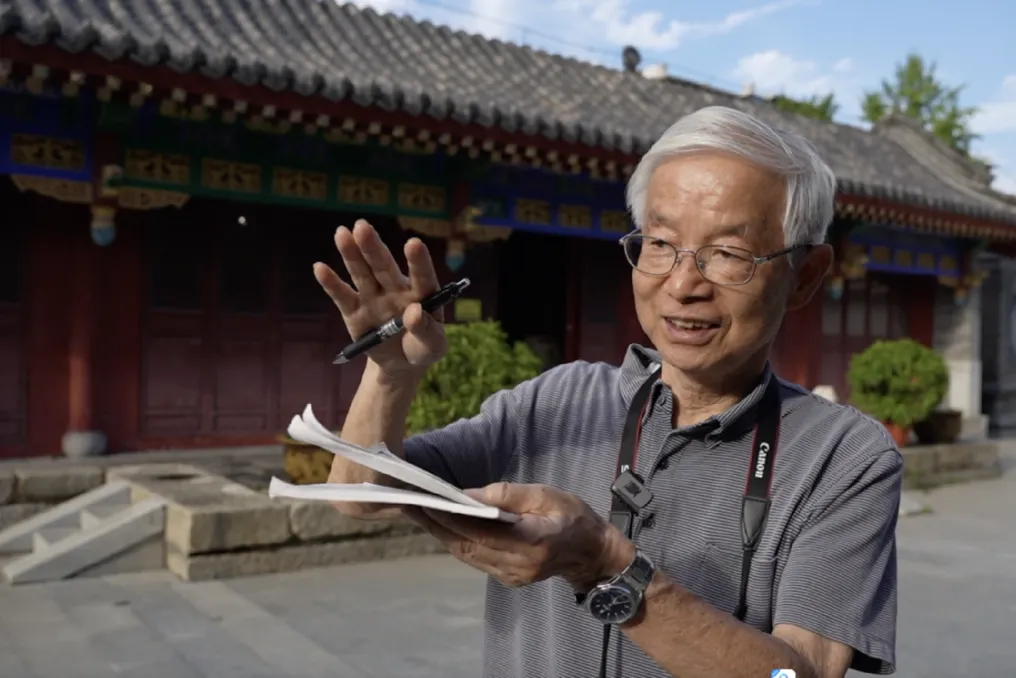
Zuguog Tokairin, one of the representatives of this group, stated that they have repeatedly approached the Yasukuni Shrine requesting the return of the lions, but without success so far. The shrine agreed to hold a meeting to discuss the issue after the first official request, but subsequent appeals were rejected. In total, the group submitted five requests, and no agreement was reached.
The disputes surrounding the Yasukuni Shrine concern much more than just two stone lions. The shrine venerates fourteen high-ranking war criminals convicted by the International Military Tribunal for the Far East, known as the Tokyo Trials.
Furthermore, inside the shrine's museum, the Yusukan, aircraft used in Japan's aggressive wars, which resulted in the death of many civilians, are displayed. Among them are the Mitsubishi A6M5 Model 52 Zero fighter and a replica of the Yokosuka MXY-7 Ohka kamikaze missile. These artifacts are exhibited alongside other military items as a symbol of military achievements.
Tokairin notes that many Japanese people visit the shrine to pay respects without knowing that Yasukuni commemorates Class A, B, and C war criminals associated with Japan's aggressive wars. He regrets this lack of awareness. Due to this concern, he began working as an independent guide at the Yusukan, explaining history from a perspective that challenges the shrine's own narrative. He recalls that other groups also gathered before the museum displays to present history from a different viewpoint than that promoted by the shrine.
However, the shrine now permits tours only by its own guides and prohibits external guides from working. Currently, the two stone statues remain under the gates of the Yasukuni Shrine, serving as a reminder that the history of Japanese aggression must never be forgotten.