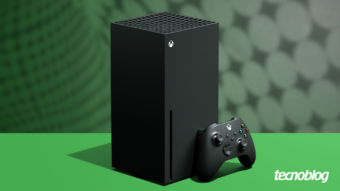
Microsoft is reportedly planning to introduce a new portable device in the Xbox line by the end of 2027, while the next-generation console, named Project Helix, would only be released at the end of 2028. This information was obtained through an article published by Fortune magazine regarding the current plans of the company's gaming division leadership, although the timeline has not yet been officially confirmed by Microsoft.
Despite the lack of official confirmation, the suggested timeline partially aligns with previously disclosed data. The company had already announced Project Helix and informed that preliminary versions of the hardware would be delivered to developers in 2027, but did not specify the public consumer sales date.
According to Fortune, Microsoft anticipates the commercial launch of the console for the end of 2028. Furthermore, the company revealed that the hardware will feature a new custom AMD chip as part of a larger strategy to unify Xbox and PC into a true 'device family.' The goal of this unification is to reduce disparities between the two platforms and facilitate the game development process.
Prior to the main console launch, the company plans to make a next-generation portable device available at the end of 2027. It is not defined whether this portable device will be produced directly by Microsoft or if there will be a partnership for its development. It is worth noting that the company has already collaborated with Asus on the creation of the ROG Xbox Ally line, which integrates PC hardware with a Windows interface optimized for gaming.
The report also addresses the projected price of the console. Internally, Project Helix is estimated to be valued between US$ 1,200 and US$ 1,800, which is approximately R$ 6,000 and R$ 9,000 in direct conversion. This estimate takes into account a scenario where Microsoft does not offer subsidies, suggesting that the final price could be lower.
This perspective is not entirely surprising, given that company executives had already signaled, even before the formal announcement, that the next Xbox would have a more sophisticated positioning. This is due to the significant advances expected in technologies such as ray tracing and upscaling, in addition to the ability to run PC games and maintain compatibility with titles from previous generations.
Additionally, Fortune points out that Microsoft is analyzing a possible restructuring of Game Pass, seeking a more flexible architecture. The service could incorporate tiered plans, in addition to offering paid add-ons specific to the console game catalog, cloud gaming services, and multiplayer. This idea is still in the development phase.
All this strategic movement occurs while Asha Sharma, CEO of Xbox, works to expand the brand's reach, reorganize internal studios, and concentrate investments on the company's most important franchises.