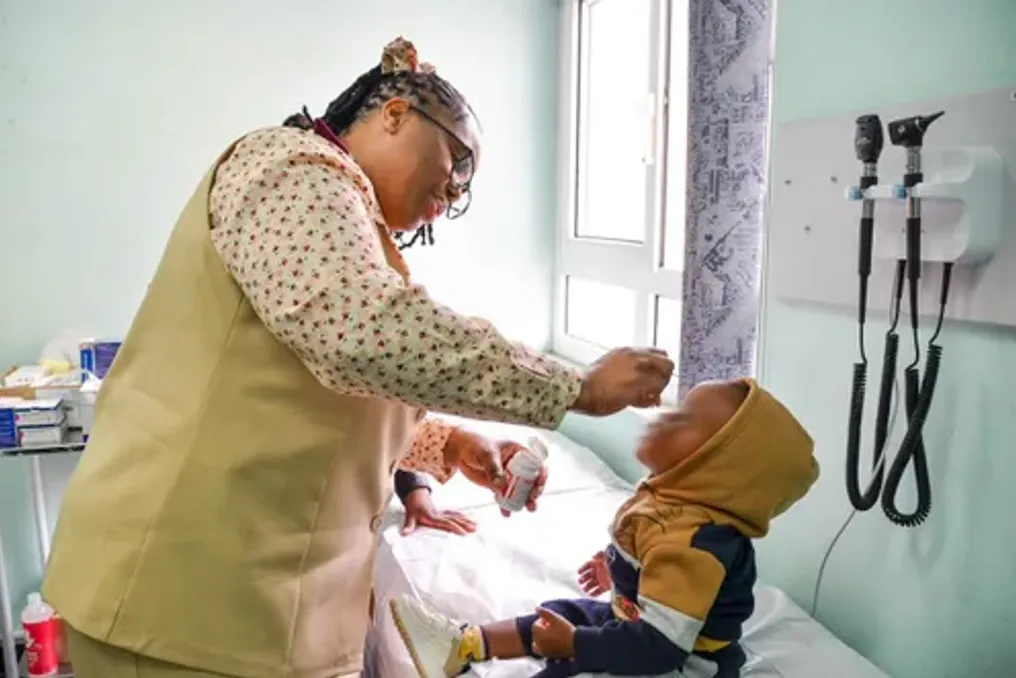
The eThekwini Municipality announced that 25,312 children received full immunization during the 2025/26 financial year, raising the overall coverage to 92.1%. This figure exceeds the national target of 90%, although it is lower than previously reported data from the City.
Achieving this level was attributed to public health measures and community engagement programs. The current Director of Primary Healthcare, Nelly Duma, emphasized that vaccination remains one of the most effective ways to protect children from serious and potentially life-threatening diseases.
These diseases include tuberculosis, polio, measles, diphtheria, pertussis, tetanus, hepatitis B, pneumococcal disease, and rotavirus, which can cause severe conditions, disability, or death.
The City clarified that childhood vaccinations were provided free of charge at public primary healthcare facilities, including municipal and provincial clinics, as part of the national expanded immunization program. Furthermore, the municipality strongly urges parents and caregivers to ensure that children receive vaccinations according to the recommended schedule designed to protect the child at different stages of development.
The City also appealed to parents whose children missed scheduled doses, urging them to visit the nearest clinic. Healthcare workers can check the child's 'Health Passport' and provide any missing vaccinations. The municipality is also working to reduce vaccine hesitancy through public involvement, dissemination of evidence-based information, and correction of misinformation. In this process, healthcare workers play a vital role in explaining the benefits of vaccination to parents.
Despite the current coverage rate being above the national target, childhood immunization coverage in eThekwini has been declining over recent financial years. According to municipal data, coverage was 105% in 2022/23, then dropped to 96.5% in 2023/24, and reached 92.1% in 2025/26. The City partially attributes the decline to migration processes, including the relocation of mothers with children, which affects the population figures used to calculate immunization coverage. The municipality also reported no outbreaks of vaccine-preventable diseases in its territory, which it attributes to ongoing immunization efforts and public participation.