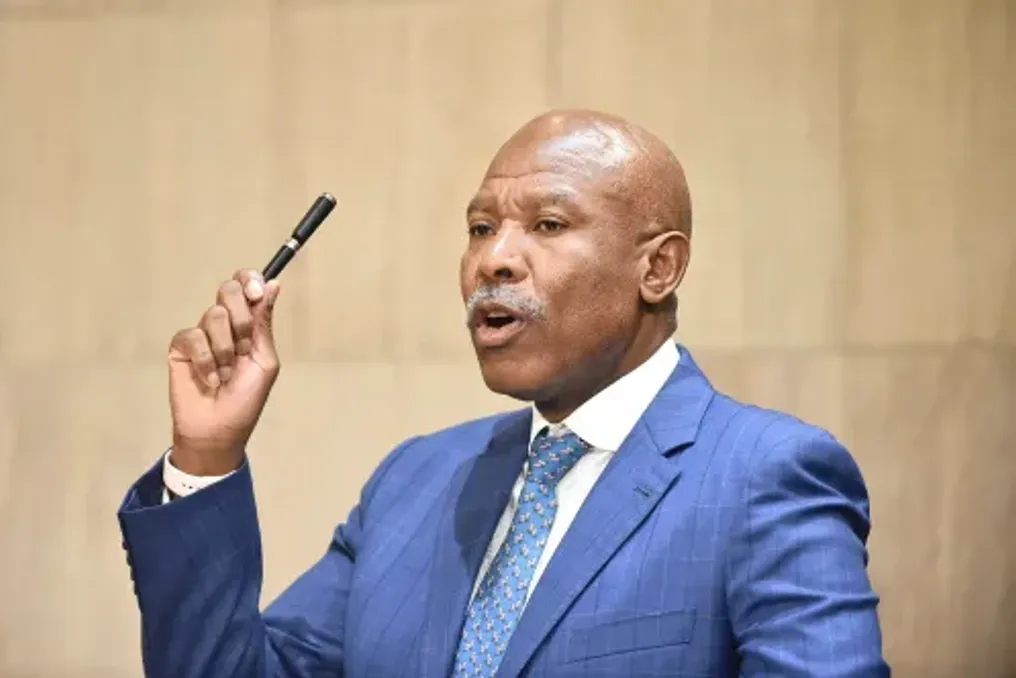
The South African Reserve Bank (SARB) is taking steps to reduce the control of banks over the national payment system. Governor Lesetja Kganyago stated that non-bank providers should be allowed to offer certain payment services without needing a banking license.
Speaking at the SARB Payments Conference in Pretoria on Tuesday, Kganyago noted that opening the system to more participants could stimulate competition, foster innovation, and lower costs for both consumers and businesses. He emphasized that currently, accessing the payment system requires interaction with a bank, but acknowledged that some types of payment activities do not require a banking license.
New structure for opening the payment system
The Bank proposes introducing a new Notification of Exemption and Authorization Framework, which would allow properly regulated non-bank institutions to carry out specified payment operations. Kganyago explained that payment service providers should not be subject to the same regulatory requirements as banks because they do not engage in maturity transformation, meaning they do not borrow short-term funds to invest in long-term assets.
He stated that the main principle is: 'similar activities and similar risks should receive a similar regulatory treatment.' The proposed framework will still require non-bank providers to comply with safeguards related to governance, client funds, operational resilience, and reporting. SARB plans to publish this framework by the end of November 2026.
Furthermore, Kganyago called for wider adoption of PayShap, the country's instant payment service, which has processed over one billion transactions worth more than one trillion rand since its launch in 2023. Despite this growth, he noted that the service remains underutilized due to inconsistent pricing, limited public awareness, and insufficient merchant adoption. He added that 'if PayShap is to compete with other payment methods, especially the most popular, cash, it must be easy to understand and accessible to use.' The Governor concluded that 'public awareness remains too low. Many customers still do not know what PayShap is, how to use it, or why it might be preferable to existing options. Promotion cannot be left to random product campaigns. It requires continuous, coordinated customer education and a clearer overall proposition.'