
Special EPFO Scheme: Potential Incentive of Up to ₹15,000 for New Employees
Read more
Aaj Tak
www.aajtak.in

Special EPFO Scheme: Potential Incentive of Up to ₹15,000 for New Employees

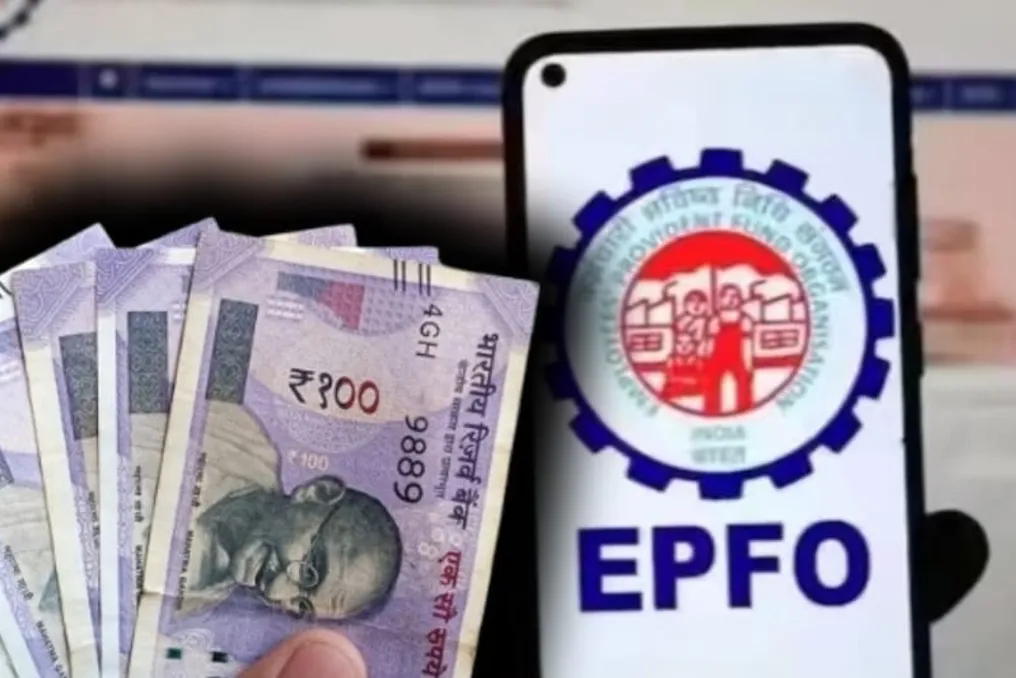
If you are starting work for the first time and can receive an incentive from the government of up to ₹15,000, this will be a very favorable situation. This bonus may be available to those who begin their career and become members of the Employees' Provident Fund Organisation (EPFO) under the Pradhan Mantri Vishwakarma Rozgar Yojana (PM-VBRY).

However, receiving an incentive of up to ₹15,000 will not happen automatically just by getting employed. A series of conditions must be met, including membership in EPFO, length of service, and compliance with certain requirements. Below is a detailed explanation of who is eligible for this scheme, what the payment amount is, and what steps need to be taken to receive the funds.

According to the PM-VBRY, qualified employees who become EPFO members for the first time may receive an incentive equivalent to one month's EPFO salary. The maximum limit of this incentive is ₹15,000. It is not guaranteed that every employee will receive the full amount of ₹15,000; the actual amount is determined based on the qualified salary and the plan's conditions.

The benefit under the first part of the plan, known as Part A, is intended for qualified workers who become EPFO members for the first time. An important point is whether the employee has a previous record of EPFO membership. To fall under the scope of the plan, the monthly salary must be up to ₹100,000, and other conditions related to employment and EPFO must also be met.

PM-VBRY covers qualified jobs created between August 1, 2025, and July 31, 2027. Nevertheless, simply starting work during this period is not enough. The employee must meet the plan's requirements, and the employer must also complete the necessary EPFO procedures.

To receive the first installment, the employee must work continuously for six months. Furthermore, they must comply with EPFO membership requirements and other eligibility criteria under the plan. Therefore, it is useful to monitor the start date, UAN-related records, and information about contributions made to EPFO.

For the second installment, continuous employment for 12 months is required. In addition, the employee must complete the prescribed financial literacy program. Thus, one year of work is not enough to automatically receive the second installment; one should check the latest information on the program completion process and its confirmation on the official portal.

It is not mandatory. According to the plan's provisions, the second installment funds will be placed in a suitable savings instrument or a fixed deposit for a certain period. Consequently, it cannot be considered immediately available cash. It is crucial to understand the rules regarding the payment and placement of the second installment funds.

The incentive will be transferred to a bank account linked to Aadhaar via the Direct Benefit Transfer (DBT) mechanism for the qualified employee. The Aadhaar bridge payment system will be used for this. Therefore, the employee should ensure that their Aadhaar and bank account details are correct. Errors in bank account and Aadhaar information may affect the payment process.

Yes, qualified employers may also be provided with an incentive under the plan. This amount differs from the benefit received by the employee. According to the plan's terms, the employer can receive up to ₹3,000 per month for each additional qualified employee. For this, the company must meet the eligibility conditions and submit the necessary EPFO records and electronic tax returns.

If you have become an EPFO member for the first time, first check your Universal Account Number (UAN) and EPFO membership record. Then, ensure that the details of your Aadhaar-linked bank account are correct and that the employer is making contributions to EPFO. Monitor the deadlines for completing six and twelve months of work. Also, check the official portal for the financial literacy program procedure for the second installment.
Similar stories

EPFO sets limits on withdrawals from pension savings (PF) for various expense categories
Read more
www.aajtak.in

EPFO sets limits on withdrawals from pension savings (PF) for various expense categories

Changes have been made to the rules of the Employees' Provident Fund Organisation (EPFO), which establish limits for withdrawing funds from pension savings (PF) to cover various needs, including housing expenses and special circumstances. These new guidelines clarify how often members can use their PF savings for different purposes.

EPFO has issued updated recommendations for advance withdrawals, dividing them into three categories: urgent needs, housing requirements, and special conditions. Separate restrictions on the number of transactions a member can make have been set for each category.

In the case of educational expenses, a member is entitled to withdraw funds up to 10 times during the term of their membership in EPFO. This provision applies to both the member and their family members.

Under the first category, which includes urgent needs, PF members can withdraw funds for themselves and their families to cover medical expenses and treatment without a set limit.

To cover wedding expenses, a member can make no more than five withdrawals during their membership period. This rule also applies to family members.

Construction or purchase of a house, as well as refinancing and renovation of residential property fall under the housing needs category. According to the guidelines, a member can withdraw funds for housing purposes no more than five times during their membership in EPFO. Furthermore, according to the third category, withdrawals from PF can occur no more than twice a year.

These provisions allow members to use their pension savings to meet important housing expenses while limiting the frequency of such withdrawals.

EPFO has reported that an employee can withdraw 75 percent of their pension savings amount 12 months after joining EPFO, and this amount can be received including interest. This measure is provided to employees for financial support so they can avoid any difficulties.

EPFO Salary Limit Increased to 25,000 Rupees and Conditions for Pension Payments
Read more
www.aajtak.in

EPFO Salary Limit Increased to 25,000 Rupees and Conditions for Pension Payments

The government has increased the salary threshold for mandatory coverage by the Employees' Provident Fund Organisation (EPFO). Previously, this threshold was 15,000 rupees per month, but it has now been raised to 25,000 rupees. This change is expected to extend social security coverage to over 510,000 additional employees earning a monthly salary between 15,000 and 25,000 rupees.

However, it is important to understand that raising the limit does not guarantee automatic eligibility for benefits under the Employees' Pension Scheme (EPS) for every worker. EPFO published information on its X account (formerly Twitter), clarifying which employees may qualify for EPS membership under the new limit and which do not. The employee's current salary and their previous status in the pension scheme are decisive factors.

The Ministry of Labour and Employment has set the new limit at 25,000 rupees for mandatory coverage through EPFO. This change became effective on September 17, 2026. The goal of this modification is to expand the scope of social security for workers who were previously excluded from mandatory coverage due to the old limit.

Under the new system, employees can receive benefits related to the Employees' Provident Fund (EPF), the Employees' Pension Scheme (EPS), and the Employees' Deposit Linked Insurance Scheme (EDLI). EPF accumulates funds for retirement; EPS provides pensions to eligible members; and EDLI offers insurance benefits to families in case of an employee's death.

The EPFO publication specifically emphasizes that the new threshold amount cannot be equated with automatic entitlement to EPS participation. Even with a monthly salary of 25,000 rupees or less, membership in the pension scheme will depend on existing rules and the employee's prior status. For those falling under the new limit, membership and contributions to EPS may apply according to established norms.

Nevertheless, employees earning above 25,000 rupees who have never been EPS members will not automatically gain pension scheme membership under the new provision. Therefore, if your salary is in the range of 15,000 to 25,000 rupees, you cannot assume EPS eligibility solely based on salary size; you must also check whether you were previously an EPS member and what program conditions apply to you.

The new salary limit may also affect the contributions made by the employer (company) to EPS. At a rate of 8.33% for EPS, if the pension salary limit increases from 15,000 to 25,000 rupees, the maximum monthly contribution could increase from approximately 1,250 to 2,083 rupees. However, this does not mean that every employee earning up to 25,000 rupees will automatically contribute 2,083 rupees monthly; the actual contribution amount depends on the employee meeting the requirements, the pension salary, and applicable rules.

After the introduction of the new limit, it is important to distinguish between these three schemes. EPF: Future savings are built up through contributions from the employee and the employer. According to the rules, the employee can use these funds upon retirement or in other stipulated circumstances.

EPS: Eligible members receive a pension according to the scheme's rules. Membership and pension entitlement are determined by separate conditions.

EDLI: This is an insurance scheme linked to eligible employees. In the event of a member's death, their family or nominee may receive a benefit according to the scheme's rules.

Thus, being covered by EPF and having the right to a pension under EPS are two different matters. The type of benefit an employee receives is determined by the rules of the respective program.

If you believe that your contribution to EPF or EPS should be made according to the new rules after the new limit comes into effect, but this is not happening, you should first contact your company's HR department or your employer. If the issue is not resolved at this level, you can file a complaint through the EPFO EPFiGMS dispute resolution portal. When filing a complaint, it is recommended to have payslips, UAN, and other relevant employment documents ready to facilitate verification and understanding of the situation.

Popular