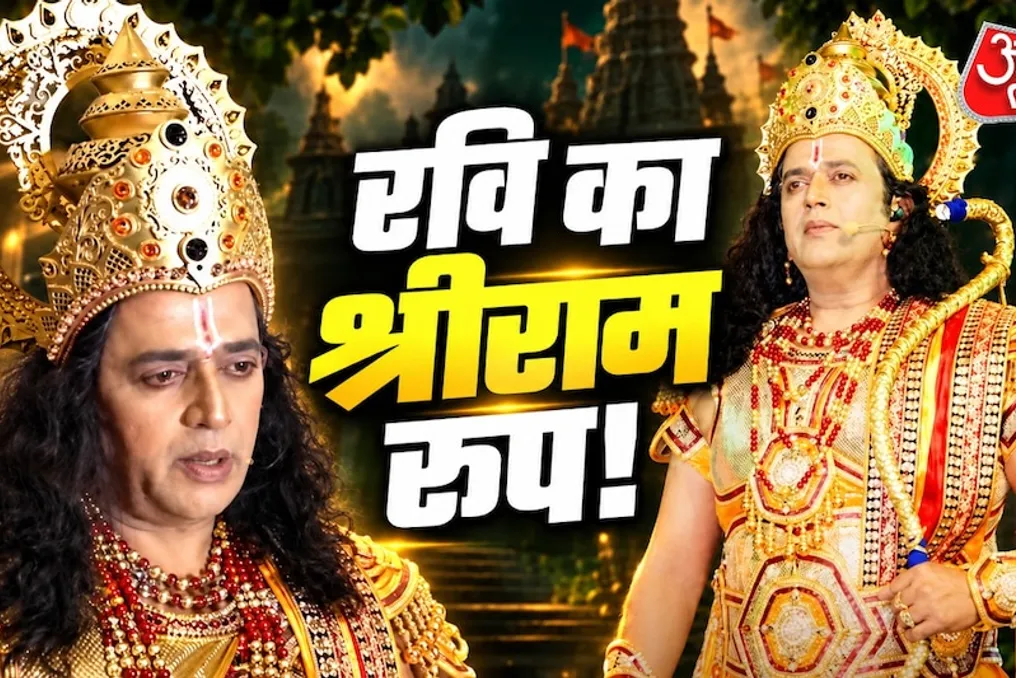
Ravi Kishan played Rama in Ramlila and spoke about battling depression through spirituality
Read more
Aaj Tak
www.aajtak.in

Ravi Kishan played Rama in Ramlila and spoke about battling depression through spirituality

Ravi Kishan, who built his career from Bollywood cinema to politics, is currently in the spotlight for a special reason. He is performing the role of Lord Rama in Ramlila in Ayodhya for the first time, serving as a Member of Parliament for the Bharatiya Janata Party (BJP) from Gorakhpur.

In his portrayal of Lord Rama, he appeared deeply moved. Not only did he consider this role a stroke of luck, but he also advised the youth to draw lessons from the lives of Lord Rama, Krishna, and Shiva.

According to Ravi Kishan, when a person faces difficulties or depression in life, it is spirituality that gives them the strength to overcome these circumstances.

Speaking to media representatives in Delhi, Ravi Kishan stated that thanks to God's blessings, he was given the opportunity to play the character of Prabhu Shri Rama in Ramlila for the first time. For him, this is not just an acting job, but a unique experience connected with faith and blessings.

He mentioned that previously he had played characters such as Lord Parshuram and Kewat, and even portrayed Mother Sita in his childhood. Now, the role of Lord Rama represents a new and more significant responsibility for him. He expressed hope that he will handle this role honorably through the blessings of Prabhu Shri Rama.

Addressing the modern youth, Ravi Kishan gave important advice: they must study the lives of Lord Rama, Lord Krishna, and Lord Shiva. In his opinion, spirituality can morally strengthen a person and help them emerge from difficult periods.

He also urged the youth to dedicate at least half an hour daily to meditation. Ravi Kishan believes that meditation, spirituality, and connection with one's culture give a person the strength to face life's challenges.

Speaking about his life journey, Ravi Kishan noted that he comes from humble origins. Today, he is known as a film personality and a Member of Parliament from Gorakhpur. He links his journey to God's grace and life lessons, asserting that traditions, culture, religion, and spirituality provide the strength to fight difficult situations.

Ravi Kishan's message is clear: no matter what problems arise in life, one must not allow their faith, culture, and self-control to weaken.

For Ravi Kishan, the role of Lord Rama is particularly important because he has already played many other mythological characters in Ramlila before. Now, stepping onto the stage as Prabhu Shri Rama for the first time, he will present a new image to the audience.

The public's curiosity is understandable given his fame from his vibrant acting in films and active political activities. It remains to be seen how Ravi Kishan will win the hearts of the audience in the role of Lord Rama.

This role demonstrated once again that for him, acting is not limited to the screen, but is a path to connecting with faith, culture, and tradition.
Similar stories

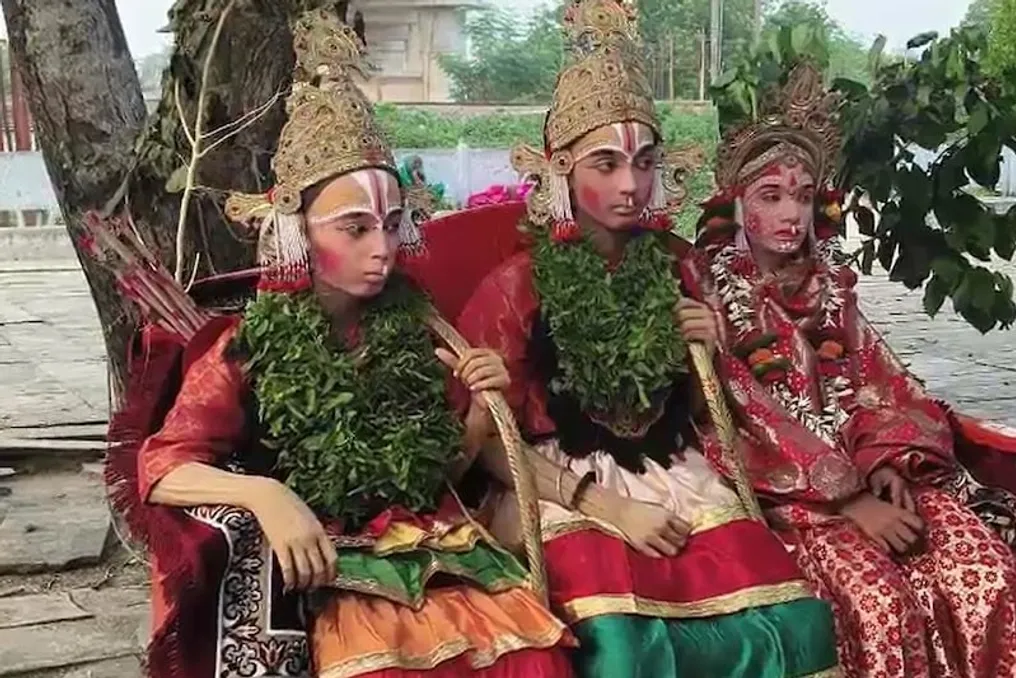
483-year tradition interrupted in Varanasi: Devotees who performed Namaz during Ramlila did not attend
Read more
www.aajtak.in

483-year tradition interrupted in Varanasi: Devotees who performed Namaz during Ramlila did not attend

In the city of Kashi, known as a center of religion and spirituality, a 483-year-old tradition, considered an example of harmony between Hindu and Muslim cultures (Ganga-Jamuni Tehzeeb) and interfaith unity, has been disrupted. During the Ramlila performances at the Laath Bhairav temple complex, verses from the Ramayana were recited simultaneously while representatives of the Muslim community performed the Maghrib prayer.

The joint observance of religious rituals by representatives of two faiths in the same complex has always been a unique feature of Kashi's communal harmony. However, this time, because members of the Muslim community did not appear to perform the prayer, members of the Ramlila organizing committee expressed disappointment and dissatisfaction.

Members of the Ramlila committee stated that the cessation of attendance by the Muslim community for prayer led to the breaking of a long-standing tradition. The committee perceived this as a boycott of Ramlila and expressed regret. They emphasized that this tradition was not merely limited to a religious event but also served as a message of brotherhood and interfaith unity across the country, and its violation brought them sorrow.

The chief figure of Ramlila, Vyas Dayashankar Tripathi, reported that he has been associated with this Ramlila since the age of six and served as the Mahant of Shri Laath Bhairav temple for 47 years. He also participated in roles such as Bharat, Lakshman, and Shatrugna in the Ramlila. According to Dayashankar Tripathi, this 483-year-old Ramlila is a symbol of Kashi's interfaith unity. The sight of Muslim community members performing prayers against the backdrop of Ramayana recitations represented an exceptional example of mutual respect. He expressed concern that the absence of Muslim community members this time might indicate a boycott of Ramlila, although independent confirmation of his concerns regarding any statements or directives from imams has not been received.

Speaking about the history of the Laath Bhairav temple complex, Dayashankar Tripathi noted that it is a very ancient place. According to him, after a legal case related to a dispute over the temple's territory, the temple side prevailed. In his assertion, the court's decision granted the Muslim community the right to perform prayers on the complex's premises on Eid and Bakrid days. He also mentioned the historical appearance of the temple, noting that, in his opinion, eight statues of Bhairav installed in eight 'khanas' around the temple were destroyed during the reign of Aurangzeb.

The simultaneous recitation of the Ramayana and prayer during the Laath Bhairav Ramlila has long been regarded as a symbol of Kashi's shared culture and religious tolerance. The non-attendance of Muslim community representatives for prayer caused disappointment among the members of the organizing committee. The committee believes that such traditions strengthen mutual trust, respect, and brotherhood in society.

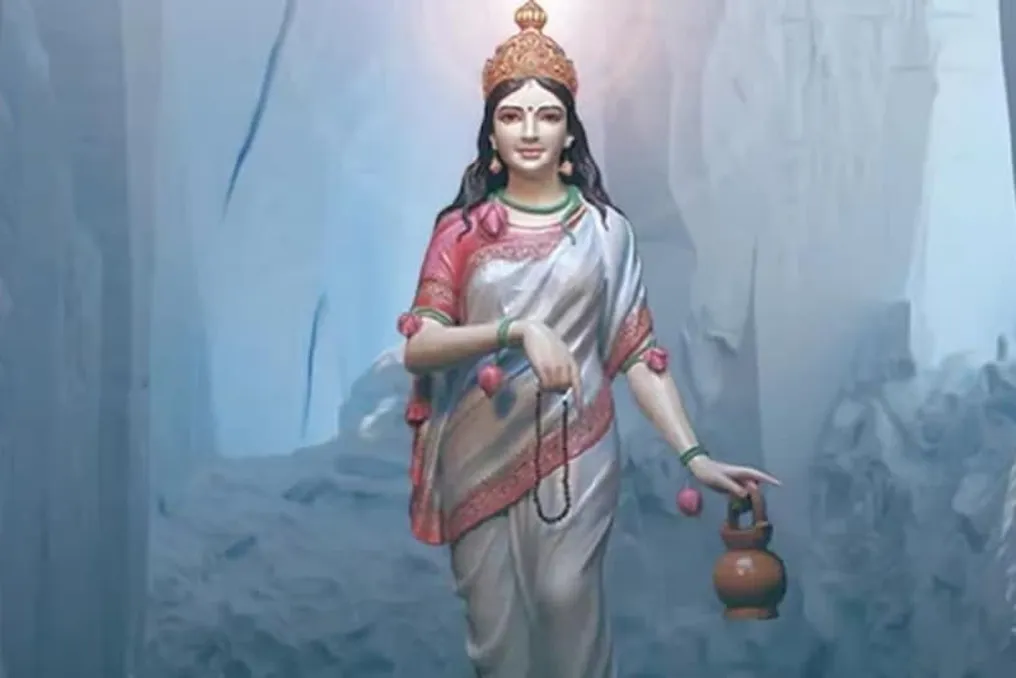
Second Day of Navratri 2026: Worship of Maa Brahmacharini, Methods of Worship, Mantras, and Legend
Read more
www.aajtak.in

Second Day of Navratri 2026: Worship of Maa Brahmacharini, Methods of Worship, Mantras, and Legend

On the second day of Navratri 2026, worship will be performed to the form of Maa Durga—Brahmacharini. According to religious beliefs, Maa Brahmacharini symbolizes asceticism, self-sacrifice, self-control, and firm resolve. She is called Brahmacharini due to her rigorous practices and state of meditation (Brahma).

Worshipping this goddess brings spiritual strength and patience to her followers. It is believed that honoring Devi is especially auspicious for students and individuals engaged in spiritual practices. It is also recommended that those whose Moon sign is weak perform worship to Maa Brahmacharini.

On the second day of Navratri, after taking a bath, one should wear yellow or white clothing and perform worship to Maa Brahmacharini. First, one must light a ghee lamp before the Devi. Then, offerings of turmeric, sandalwood, roli, akshat, turmeric, and fragrant perfume are made to the Mother. White flowers, honey, or Panchamrit can be offered to the Goddess. After this, the mantra 'Om Aim Namah' can be chanted. To strengthen the Moon, white flowers and white objects should be offered, and the mantra 'Om Shram Shreem Shraum Sah Chandramase Namah' should be recited at least three times.

To alleviate financial difficulties, it is recommended to take a coconut with water and hold it on one's lap. Subsequently, the mantra Om Dum Durgay Namah must be repeated 108 times. Following this, there is a ritual of throwing this coconut into running water. It is believed that this method helps rid poverty and promotes improvement in financial circumstances.

According to mythological history, Maa Brahmacharini was born in the home of Parvatraj of the Himalayas and the goddess Maina. Since she was the daughter of Parvatraj, she was named Parvati. In childhood, listening to stories of Lord Shiva from Rishi Narada, she decided to attain Shiva as her spouse. Mata Parvati undertook severe ascetic practices to appease Shiva. Initially, she restricted her diet, then relied on fruits and leaves, and later gave up both food and water. Recognizing her austere practice and unwavering devotion, Lord Shiva appeared to her and accepted her as his wife. It is because of this ascetic appearance that she is called Maa Brahmacharini.

Popular