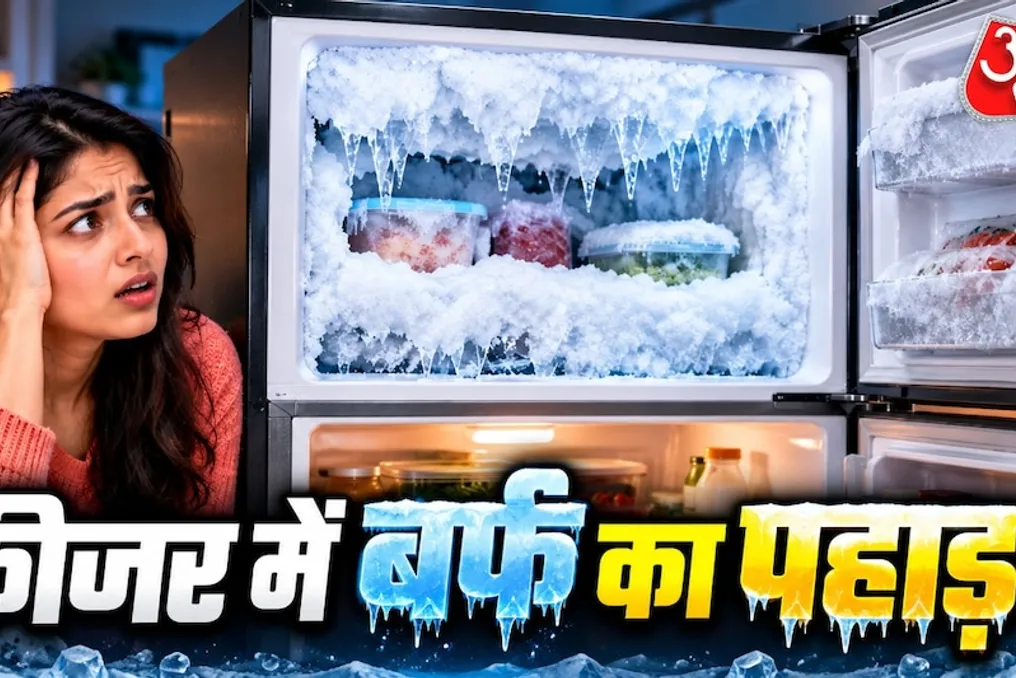
The refrigerator is an indispensable kitchen helper both in summer and in winter, as people use it daily to keep milk, vegetables, fruits, and leftovers fresh. However, sometimes too much ice accumulates in the refrigerator's freezer compartment, leaving no space for storing food. A thick layer of ice gradually forms, and the inside of the freezer compartment begins to resemble an ice mountain. This not only creates storage problems but also reduces the overall cooling capacity of the refrigerator.
If you encounter this problem in an old refrigerator, you should not ignore it. Excessive ice formation reduces space in the freezer compartment and can negatively affect its cooling, forcing the refrigerator to work harder. Nevertheless, you do not need to call a technician or spend money to remove the ice; there are simple home methods that allow you to safely melt the ice. Below are three ways to safely remove the ice.
When the refrigerator door is opened, warm and moist air enters. Upon contact with the cold of the freezer compartment, this moisture freezes, turning into ice. A thick layer of ice can form due to frequent door opening, a weakened rubber seal, or improper door closure.
The presence of a large amount of ice in the freezer compartment reduces space for storing food. Furthermore, in some models, this can worsen air circulation and overall cooling. Therefore, it is crucial to carefully remove the thick layer of ice.
1. Turn off the refrigerator and let the ice thaw: First, disconnect the refrigerator's power, unplug the cord from the outlet, and remove all food from the freezer compartment. Then, leave the door open and lay old towels on the bottom. After some time, the ice will begin to thaw on its own. When the ice becomes soft, carefully remove it with a plastic spatula. Important: never use a knife, screwdriver, or other sharp metal objects to remove ice, as this can damage the freezer compartment.
2. Thaw the ice with steam from hot water: After turning off the refrigerator's power, pour hot water into a heat-resistant dish and place it in a safe spot inside the freezer compartment. The steam will help loosen the ice quickly. The water can be changed as it cools down. When the ice becomes soft, carefully remove it. Note: do not use boiling water and do not place hot dishes directly into the freezer compartment. Keep the water away from electrical components.
3. Remove ice using fan air: Disconnect the refrigerator's power and leave the freezer compartment door open. Now, direct a regular airflow from a fan towards the freezer compartment. This will allow the ice to thaw gradually. Lay towels on the bottom and remove the loosened ice with a plastic spatula. This method may take more time, but it avoids the need to scrape the ice.
After the ice has thawed, thoroughly wipe the interior of the compartment with a clean cloth and dry it completely. Then, reconnect the refrigerator to the power and turn it on, and only return food after it has cooled down properly. It is advisable to maintain the temperature in the refrigerator compartment around 4°C or lower, and in the freezer compartment at -18°C.
What to do if the ice keeps forming? If a thick layer of ice constantly accumulates in the freezer compartment, you need to check the door's rubber seal. If the seal is weak or damaged, moist air can enter. Even in No Frost freezers, excessive ice formation may indicate a malfunction in the defrosting system. In such a case, you should consult a technician for inspection.