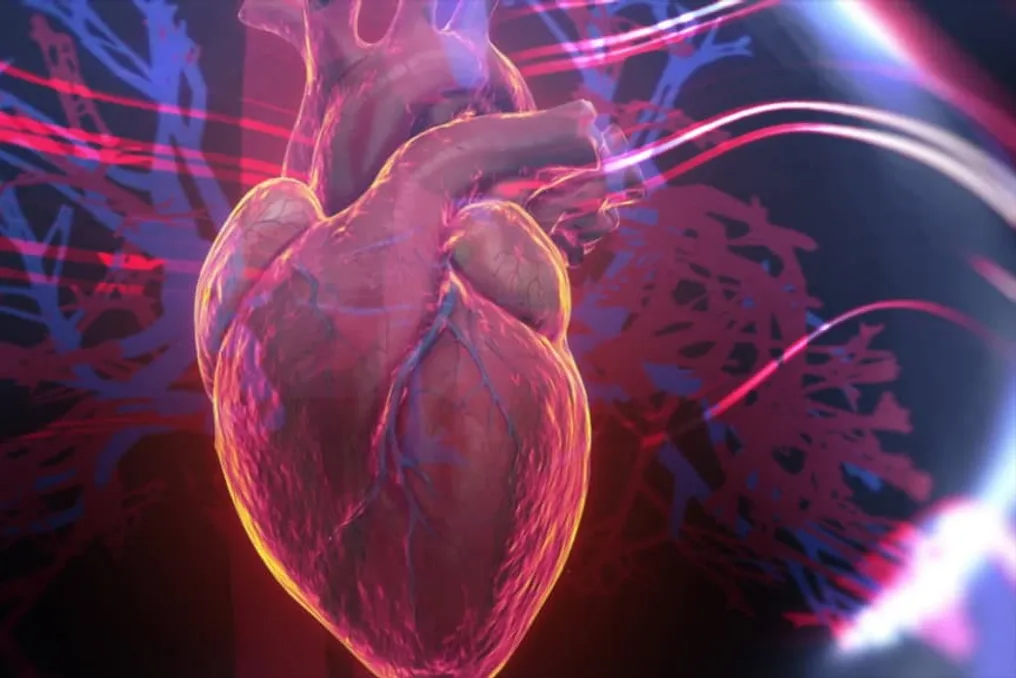
The Coxsackie virus, known for causing hand-foot-and-mouth syndrome, usually results in mild infections. However, in rare circumstances, it has the potential to affect the heart, causing changes in heart rhythm.
This complication occurred with presenter Carlos Alberto de Nóbrega, aged 90. Due to the infection, he required a pacemaker because the condition aggravated a pre-existing heart failure.
The presenter was hospitalized at Hospital Sírio-Libanês, located in São Paulo (SP), since the previous week, having contracted Coxsackie type 2. The infection intensified his cardiac condition, resulting in bradycardia—a state where the heart beats slower than usual—in addition to other arrhythmias.
The surgery to install the device was rescheduled from Monday (19th) to Tuesday (20th). According to the press office, Carlos Alberto is stable and without complications. His wife, Renata de Nóbrega, who has a medical background, also showed symptoms of the infection but did not need hospitalization.
The mechanism of action of Coxsackie involves entering the body through the mouth, multiplying in the intestinal tract, and subsequently reaching the bloodstream. Through the blood, the virus reaches various tissues and manages to invade cells that have specific structures to which it binds.
In the heart, these structures are located at the junctions between cardiac muscle cells, areas crucial for transmitting the electrical signals that regulate heartbeats. Ricardo Kazunori, a cardiovascular surgeon at BP — A Beneficência Portuguesa de São Paulo, explained that the virus can damage cells directly, and the immune system's reaction can provoke extra inflammation.
This process can lead to myocarditis, which is inflammation of the heart muscle. When this inflammation affects the heart's electrical system, the signals responsible for coordinating heartbeats may slow down or suffer partial interruptions, culminating in changes in heart rhythm, such as the bradycardia seen in the presenter's case.
Although in most cases of viral myocarditis conduction failures are temporary, there are unusual records of permanent electrical blocks that required the definitive placement of a pacemaker, even after infection with Coxsackie B2.
The device works by emitting electrical pulses to help maintain heart rhythm when the heart cannot generate or conduct appropriate signals. It corrects the change in beats but does not eliminate the virus causing the infection.
Among the groups most vulnerable to severe infection are newborns, individuals with weakened immune systems, and patients who already suffer from pre-existing diseases of the heart or brain. For those already suffering from heart failure, additional inflammation can worsen the performance of an organ that already has difficulty pumping blood efficiently.
Some symptoms require immediate medical attention, especially if there is suspicion of cardiac or neurological involvement. In babies, fever associated with difficulty breastfeeding, excessive drowsiness, or irritability also requires urgent care.
Coxsackie can also affect the pancreas. Research is underway regarding a possible link between persistent infections and the onset of type 1 diabetes, although this theory is still under investigation.
In mild cases, diagnosis is often based on symptoms, dispensing with specific tests. However, in serious or atypical situations, especially in newborns and people with low immunity, doctors may request tests to detect the virus's genetic material in blood, cerebrospinal fluid, or heart tissue.
Currently, there is no specific medication to eradicate coxsackievirus, nor is there a vaccine available against it. Treatment is determined by the symptoms and the affected organs. In mild cases, care includes hydration and medication to relieve fever and pain. When myocarditis is present, the heart must be monitored, and drugs used to treat heart failure.
In the most severe forms, the patient may require mechanical support to maintain circulation. If the infection causes significant changes in heart rhythm, a pacemaker may be necessary to resolve the electrical problem.
Prevention focuses primarily on hygiene practices. Washing hands with soap and water, especially after using the bathroom or changing diapers and before handling or consuming food, is essential to reduce transmission. It is equally important to sanitize frequently used surfaces and objects and avoid sharing cutlery and personal belongings during the infection. Attention to hygiene is vital during pregnancy, as the mother can transmit the virus to the baby.
In the context of Carlos Alberto de Nóbrega, the infection aggravated a pre-existing heart condition, and the implantation of the pacemaker aims to correct the change in heartbeat rhythm caused by this combination of factors.