
Psychologist explains why Generation Z differs from previous generations regarding work and mental health
Read more
Aaj Tak
www.aajtak.in

Psychologist explains why Generation Z differs from previous generations regarding work and mental health

The question arises whether members of Generation Z work under pressure similar to previous generations and whether they should adopt the same model of self-sacrifice in work culture. Although the older generation considers Generation Z frivolous, relaxed, or lazy, one psychologist has expressed an opinion on this topic that significantly differs from common views. He also shared his reaction regarding the mental health of Generation Z.

Psychologist Anas Khan stated in an Instagram post that Generation Z is one of the greatest generations. He explained his conclusions by saying that previous generations were forced to pay attention to all aspects of life and demonstrate that they cared about ongoing events just to survive in society.

Anas argues that Generation Z became the first generation to mass reject the concept of fake professionalism, feigned cheerfulness, and a mentality leading to self-destruction, especially concerning jobs and companies that might fire someone within a week.

In the opinion of psychologist Anas Khan, Generation Z uses mental health awareness not as an excuse, but as a way to establish its own boundaries. This cohort saw their parents working and getting tired for years while waiting for retirement, so Generation Z decided to do things differently. To consider them lazy or weak at work means not understanding their mindset. Generation Z is not lazy; it knows how to work more efficiently.

The question arises: why should anyone work 60 hours a week if half of the work can be automated? Why can't the remaining time be used for living? Previous generations considered this fulfilling duties or necessary work for advancement. However, Generation Z does not hesitate to call this exploitation.

According to Anas Khan, the most outstanding feature of Generation Z is the understanding that enduring suffering is not a virtue. It is not necessary to constantly experience pain and stress. A person must have the ability to choose how they want to live. For this reason, Anas Khan believes that Generation Z will turn out to be a magnificent generation capable of rewriting all the rules concerning both work and life itself.

Similar stories

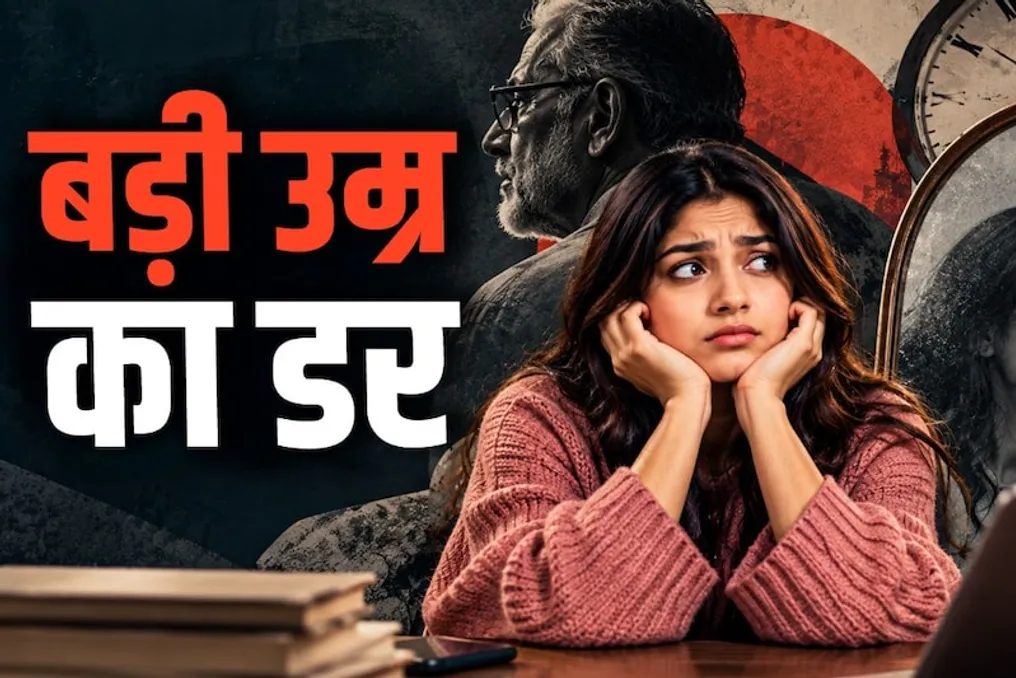
Generation Z and Millennials: Gen Z's Concerns About Age and Millennial Views
Read more
www.aajtak.in

Generation Z and Millennials: Gen Z's Concerns About Age and Millennial Views

Older generations often make remarks about the manners and working methods of Generation Z. Regardless of how they communicate with their superiors in the office, what their views on work are, or how they balance career and life, Generation Z does not always accept old work traditions. Furthermore, Generation Z's behavior outside the office also draws criticism from people. The older generation complains that members of Generation Z seem unserious to them.

However, recently one member of this generation raised the issue of Generation Z's own behavior, which sparked a discussion on social media. This was not about working methods, but about the view on age.

One Reddit user expressed concern about this habit among their generation. He noted that there is excessive mockery and anxiety about age among members of Generation Z. Even someone slightly older can seem very 'old' to them. The user fears that such thinking could create problems for Generation Z in the future.

He described a strange obsession with age among Generation Z. Anyone who is a few years older easily becomes an 'uncle' to them. Although this initially seems like just a joke, the user believes that many people genuinely avoid interacting with those older than them. Thus, even a small age difference turns into a significant distance for them.

He gave his own example: he is 23 years old, and his good friend is 29 years old. Despite this, they have developed a good friendship and believe they have a lot in common. However, when he told some of his slightly younger friends about this, they were surprised. They did not understand how a 23-year-old person could be such a good friend to a 29-year-old person.

In the user's opinion, some young members of Generation Z believe that life ends around a certain age.

This post on Reddit received mixed reactions. One Reddit user agreed with this, writing: 'Since Generation Z isn't doing anything in their lives, and I am also to blame for this, I don't consider myself better.' Another Reddit user stated that the social effect of the COVID lockdown influenced Generation Z the most. Their youth and much of their time in their early twenties were suddenly lost. Years like 2016 and 2019 are remembered more vividly because there was hope and a positive outlook on the future then, which disappeared in just a few months.

This user added that although they are still young, they feel older than their age and disconnected from youth because they grew up under conditions of the coronavirus pandemic, war, political instability, rising prices, increasing housing costs, labor market crisis, and things like artificial intelligence.

Reasons why Generation Z is reluctant to address superiors as 'Sir' or 'Ma'am' in office culture
Read more
www.aajtak.in

Reasons why Generation Z is reluctant to address superiors as 'Sir' or 'Ma'am' in office culture

In the office environment, addressing superiors as 'Sir' or 'Ma'am' was long an integral part of professional workspace. When communicating with senior colleagues, a certain distance, tone, and formality were maintained. However, with the arrival of Generation Z in offices, not only work methods but also communication language are changing. Many young people find it more appropriate to address their bosses by name instead of using 'Sir.'

For members of Generation Z, respect for senior colleagues is an important aspect, but they do not feel the need to use 'Sir' or 'Ma'am' in every conversation. Their belief is that respect should be demonstrated through behavior, not just through the manner of address. If an employee can openly discuss issues with their boss, express their opinion, and question decisions, this contributes to creating a more favorable working atmosphere.

Generation Z seeks to reduce the distance between management and employees. In old office culture, a clear distinction in status between boss and subordinate was evident, and addressing the superior reflected this. Young people want to lower this gap in communication at the office, believing that all employees in the office are equal. Although positions may differ, everyone deserves respect equally.

Addressing someone by name does not mean that the boss and employee are on the same level. It simply means that there should not be excessive formality in communication. Nevertheless, it should be noted that these changes are not happening in all offices. In many institutions, addressing someone as 'Sir' or 'Ma'am' is still considered common and necessary, especially in large organizations with long traditions. Even members of Generation Z use this language in such places.

Thus, Generation Z's refusal to use 'Sir' is not a sign of disrespect, but rather reflects the evolution of office culture. The new generation values respect for status, but at the same time avoids fear or unnecessary distance in communication.

Popular