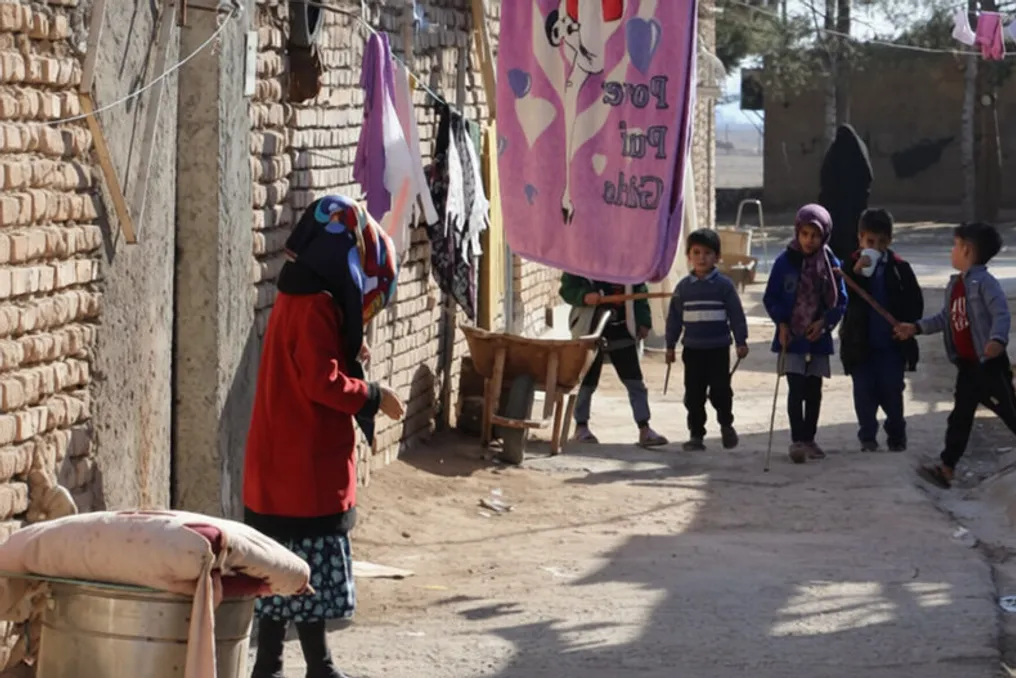
The World Food Programme (WFP) has released a report detailing its activities in Iran during September. During this month, WFP provided food assistance to 35,739 beneficiaries, including refugees from Afghanistan and Iraq, utilizing a hybrid model combining in-kind food aid and cash transfers (CBT).
Refugees are provided with a basic food package that includes fortified wheat flour (the ration is 9 kg per person, which is less than 12 kg due to funding shortages observed since November 2025). Under the CBT modality, WFP continued to provide financial support to cover essential living expenses for vulnerable refugees. The transfer amount is 8 million Iranian rials ($4.99 USD) for male-headed households and 9 million Iranian rials ($5.6 USD) for female-headed households.
By September, WFP helped alleviate the financial burden related to the needs of 60 celiac patients among WFP beneficiaries in Iran by providing them with an additional sum of 9.7 million Iranian rials ($6 USD) per person instead of the regular ration. Furthermore, WFP supported 411 disabled refugees across eleven settlements, each receiving an additional monthly cash support of 3 million Iranian rials ($1.8 USD) above regular aid.
Initially launched in two provinces, this initiative gradually expanded to cover 11 settlements: Saveh, Semnan, Bani Najjar, Sarvestan, Bezileh, Abazar, Rafsanjan, Barsir, Jahrom, Meybod, and Torbat-e-Jam. School feeding programs and educational incentives remain suspended due to summer holidays and will resume at the start of the new academic year.
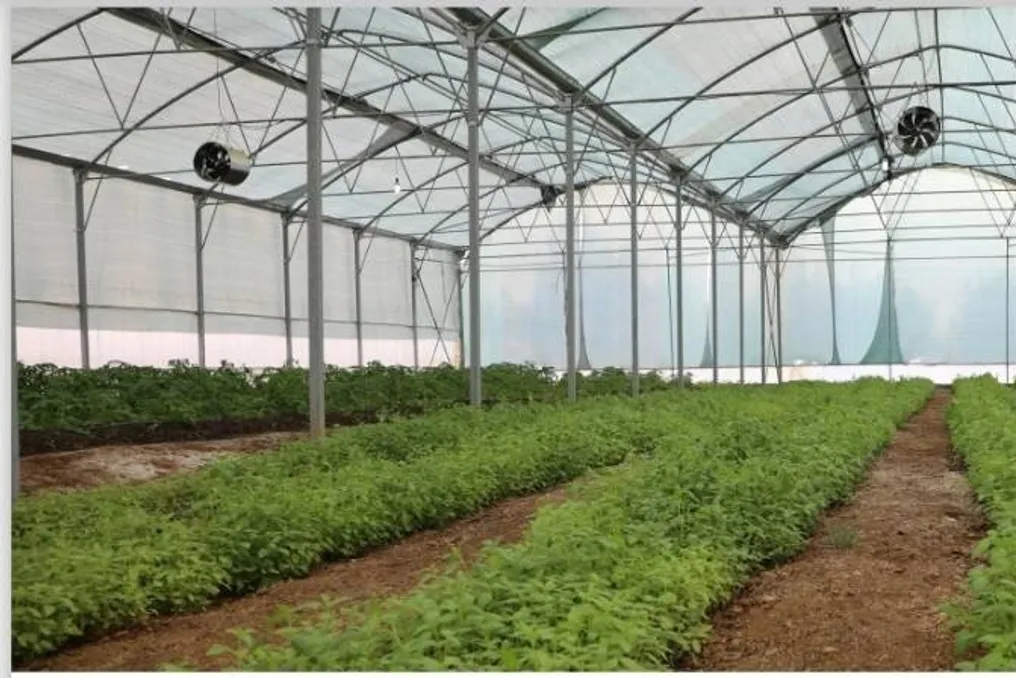
In September, WFP also supported 27 income-generating projects in 18 settlements aimed at enhancing the economic resilience and self-sufficiency of 299 refugees. Of these, 38 percent were women, and the remainder were youth. These activities included welding, tailoring, baking, farming, and other crafts, enabling women and youth to develop practical skills, strengthen social ties, and actively participate in their communities' lives.
In response to the recent escalation, WFP began providing cash transfers to affected Iranian households. The first round reached 340 households, 327 of which were male-headed. Fourteen rounds of cash transfers were completed during September for conflict-affected members of the host community across five provinces: Tehran, Alborz, Sistan-Baluchestan, Bushehr, and Hormozgan.
In total, WFP assisted 24,175 people (6,166 households) during the month. Households that passed verification and met criteria received cash assistance based on family size: households with one to three members received 210,000,000 Iranian rials; households with four to five members received 350,000,000 Iranian rials; and households with six or more members received the maximum transfer of 420,000,000 Iranian rials.
Operational needs in Iran remain volatile and require constant adjustment and reassessment of funding requirements. Despite the uncertain scale of the response, driven by ongoing refugee movements and changing local population needs, available resources are insufficient to meet the needs of the affected population under any projected scenario.
In 2025, WFP provided food assistance to approximately 33,300 vulnerable refugees residing in 20 settlements across 13 provinces. Among them, 404 disabled refugees (40 percent women) received monthly cash allowances. About 183 women and 190 men received livelihood support from WFP. WFP doubled the cash transfer amounts starting in January 2025 to ensure food access amid price fluctuations and protect the most vulnerable households.
Assistance remained continuous with targeted adjustments: wheat flour rations were reduced from 12 kg to 9 kg (November-December), and school snacks were suspended (October-December) to stretch limited resources. To promote girls' education and reduce attendance barriers, approximately 2,629 students received cash incentives as part of WFP's commitments to empowering young women. Over 9,261 boys and girls, along with their teachers, benefited from WFP school snacks.
For over four decades, the Islamic Republic of Iran has hosted Afghans fleeing conflict and hardship. In 2025, WFP remained vital in ensuring food security for vulnerable refugees residing in 20 settlements, where households rely on shelter, education, and primary healthcare provided by the Government and other humanitarian actors, supplemented by monthly food aid from WFP (through cash and in-kind forms).
The program's main focus is maintaining a dignified minimum level of basic needs, prioritizing the most vulnerable groups, including female-headed households and persons with disabilities. Operations are implemented in close cooperation and coordination with the Center for Afghan and Immigrant Affairs (CAFIA), WFP's main government partner, as well as with international non-governmental organizations (INGOs) and UN agencies, particularly the United Nations High Commissioner for Refugees (UNHCR), to ensure coordinated support and direction for refugees.
Despite a challenging year marked by economic volatility and temporary operational risks, WFP maintained core assistance to refugee settlers. To protect purchasing power, WFP increased cash transfer values by 100 percent in January 2025 following a recommendation from a settlement-specific minimum basket of goods assessment; this was supplemented by a one-time cash supplement to mitigate the effects of market instability and income reduction after the 12-day conflict between Iran and Israel.