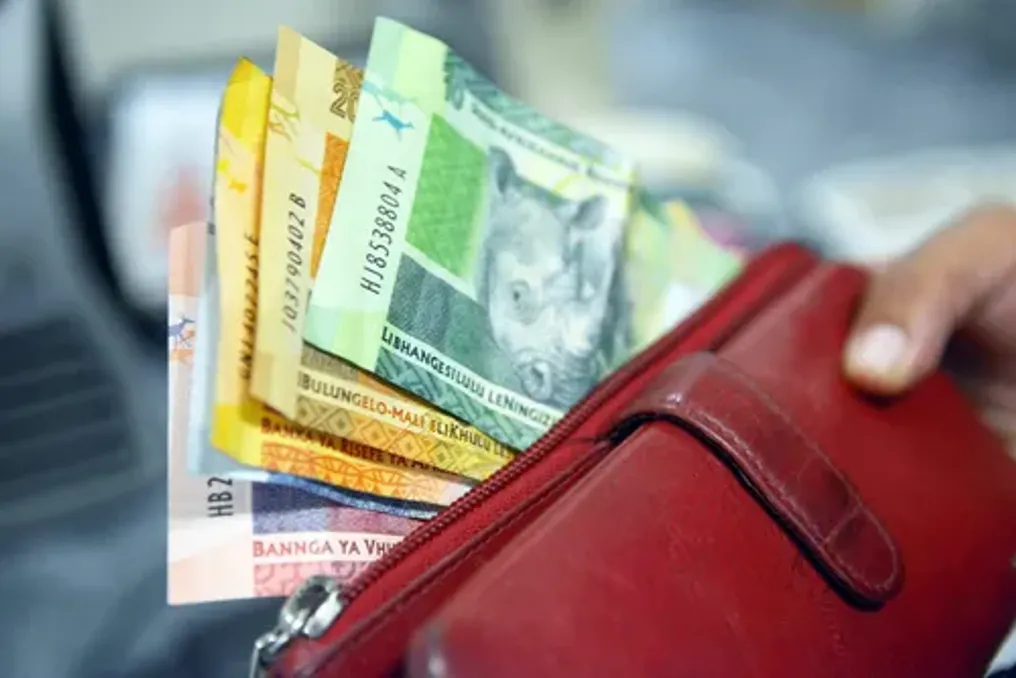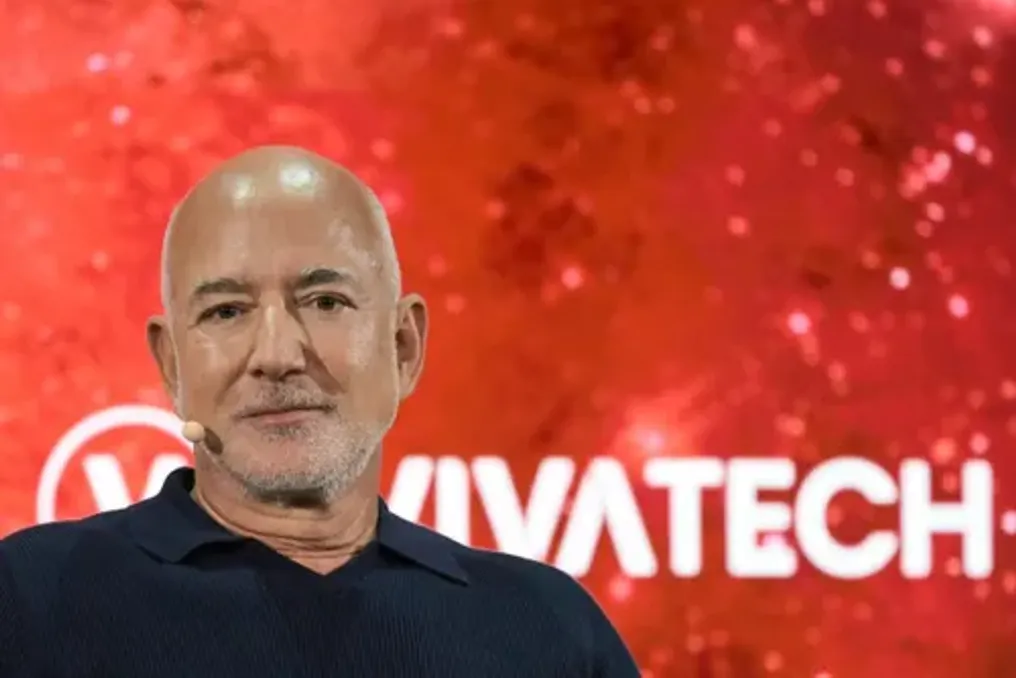
Amazon founder Jeff Bezos has once again ranked among the world's wealthiest individuals, with an estimated net worth of $370 billion (equivalent to approximately 6.08 trillion Rands). This places him second in the global wealth ranking after Elon Musk. His immense fortune allows for a highly impressive consideration of South Africa's needs in housing, education, healthcare, and infrastructure.
A significant contributor to Bezos's recent wealth growth is Blue Origin, the space company he founded and still primarily owns (about 93%). A recent funding round valued the company between $130 and $140 billion, instantly adding billions to his capital. He personally invested about $30 billion in this firm, including an additional $2 billion in the latest round.
Furthermore, his industrial artificial intelligence venture, Prometheus, also increased in value following a major funding round. Additionally, he acquired a minority stake in Liverpool FC as part of a deal valuing the club at over $7 billion, and continues to purchase property in Florida, exceeding his spending there by $230 million.
Bezos remains the largest individual shareholder in Amazon (about 8%), serves as Executive Chairman, owns the Washington Post, and has already directed large sums toward climate change efforts through the Bezos Earth Fund. He has stated his intention to give away most of his fortune during his lifetime.
What 6.08 trillion Rands could do in South Africa
Using current valuation estimates, here is how far these funds could go:
- RDP Homes: With an official subsidy of about 255,364 Rands per home, the fortune could finance approximately 23.8 million housing units, significantly exceeding the current deficit.
- New Public Schools: According to recent projects in Gauteng and the Western Cape, the average cost of one school ranges from 100 to 125 million Rands, allowing for the construction of over 50,000 new educational institutions.
- Clinics and Community Health Centers: Using a conservative average estimate of 70–80 million Rands per facility, the funds could erect over 75,000 clinics. Even funding several large hospitals at a cost of 1 to 5 billion Rands would leave a substantial remainder.
- Prisons: Medium-security centers cost approximately 680,000 to 810,000 Rands per bed. The Department of Correctional Services reported a need for about 50,000 additional beds, which would cost roughly 36 billion Rands. Bezos's fortune could cover this need multiple times and build hundreds of high-security facilities.
- Factories: A reliable average production workshop of 5,000 to 10,000 square meters typically costs between 50 and 100 million Rands. At an average cost of 100 million Rands, the funds could support the construction of about 60,000 factories.
- Jobs: Even with conservative capital expenditure costs of 300,000 to 500,000 Rands per sustainable production job, the fortune could support 12 to 20 million jobs. One large factory complex can create hundreds of direct jobs and many others in the supply chain.
- Pothole Repair: According to Johannesburg data, the average cost of one pothole is about 371 Rands. This money could eliminate tens of millions of such potholes, which is more than enough to clear the country's roads and leave funds for proper resurfacing.
- Parks: Modernizing small and medium parks usually costs between 1 and 20 million Rands. The fortune could renovate or build hundreds of thousands of parks.
- Border Infrastructure: South Africa's land border stretches approximately 5,244 kilometers. Proper fencing and barrier work cost between 5 and 10 million Rands per kilometer. This means the possibility of building 600–1,200 kilometers of high-quality border infrastructure, which would exceed the coverage of the riskiest sections.
- Commercial Airports: A new medium international or regional airport is valued at 8–10 billion Rands. These funds could finance 600–760 new or fully modernized commercial airports.
- Drug Rehabilitation Centers: Appropriate residential centers range from about 34 million Rands for small ones to 100–150 million Rands for larger institutions. At an average cost of 50 to 100 million Rands, the fortune could build between 60,000 and 120,000 such centers.
- Police Stations: New stations average 70 to 75 million Rands each, corresponding to the construction of approximately 80,000–85,000 new stations.
- University Campuses: A completely new university campus costs 3.2 billion Rands. These funds could finance about 1,900 such campuses.
- Sports Stadiums and Fields: Modernizing medium-sized stadiums or new public sports complexes often costs several hundred million Rands. At a cost of 500 million to 1 billion Rands per major facility, this could fund tens of thousands of stadiums or sports centers.
How it would rank as a country
Compared to national economies, $370 billion is comparable to the economy of middle-income countries. South Africa's projected GDP for 2026 is around $480–489 billion, placing it roughly 39th–40th globally. Thus, Bezos's personal wealth constitutes approximately three-quarters of the entire South African economy.
This sum exceeds the GDP of many African and emerging markets, including Nigeria with a GDP of around $380–387 billion, and falls within the same range as countries like Portugal, Peru, or Finland. Although net worth is a reserve of assets, and GDP is an annual flow of production, the comparison is not perfect. Nevertheless, it demonstrates how concentrated wealth is at the very top. Bezos has stated his desire to give away most of this fortune. If even a portion of this money were directed towards housing, factories, clinics, schools, jobs, and daily infrastructure in South Africa, its impact would be difficult to overstate.