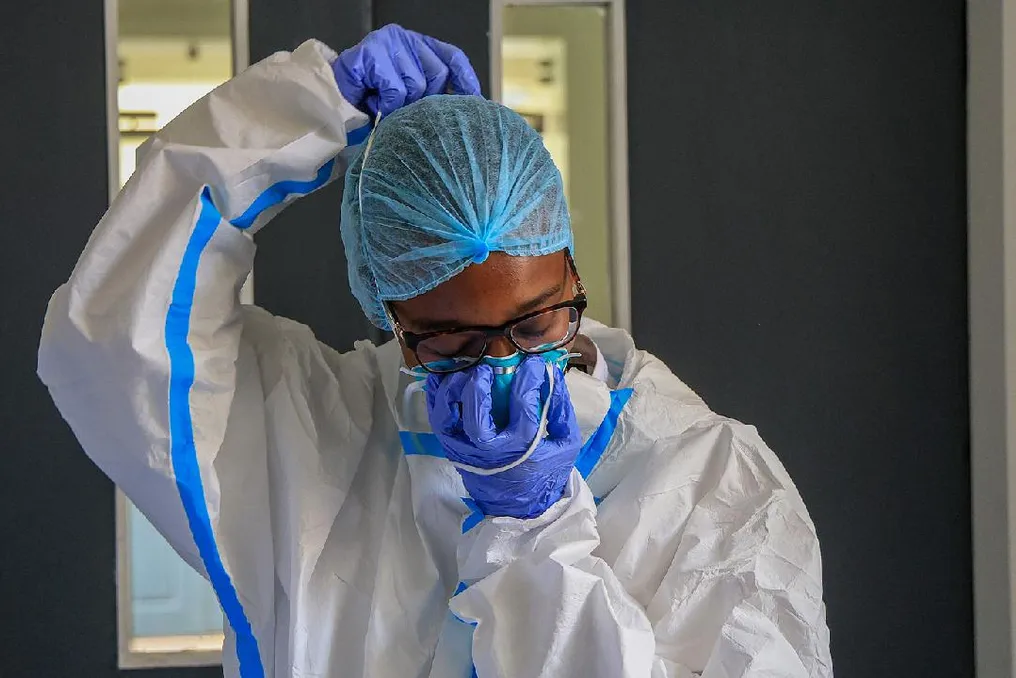
The Kenyan Ministry of Health announced on Saturday four new cases of the Bundibugyo Ebola virus disease, increasing the total count to seven. Simultaneously, efforts are being intensified to prevent the spread of the disease among the population.
The four infected individuals include a close relative of the first patient, who passed away, as well as three healthcare workers who provided care to that patient in the hospital. This was reported by Patrick Amot, Director General of the Kenyan Ministry of Health, in a statement released in Nairobi, Kenya's capital.
Amot specified that all four individuals first showed symptoms of fever and were immediately isolated, after which samples were collected for analysis. He added that all of them tested positive for Bundibugyo Ebola disease at both the National Viral Reference Laboratory and the laboratory of the Kenya Medical Research Institute.
According to Amot, all four patients are currently receiving supportive therapy from trained medical personnel. The risk of virus transmission to their families and the general public remains low, as they were detected early stages in quarantine facilities.
The Ministry assured Kenyan citizens that the risk to the population remains low, as there are no signs of community transmission of the disease. Previously, Kenya registered the first imported case of Bundibugyo Ebola on October 6 in a man who had lived in the Democratic Republic of Congo for seven years.
This man died in Nairobi hospital during treatment and subsequently received a safe and dignified burial in a public cemetery to prevent further spread of the virus. On Wednesday, Kenya reported a second Ebola case involving a 39-year-old man who was a close relative of the first patient. On Friday, the country announced a third case of Bundibugyo Ebola affecting a 65-year-old woman who was a primary contact and close relative of the first two patients.
Amot also noted that out of 130 contacts who could have been in contact with the first patient, 128 people have been found and are under quarantine observation for a 21-day incubation period, during which Ebola symptoms may develop. He emphasized that all people in quarantine centers continue to receive psychosocial support. The country remains open for business, imposing no restrictions on travel, trade, or mass gatherings.