It has been revealed that the US administration attempted to get European countries to impose secondary sanctions on India and China regarding the purchase of Russian oil. This was reported by Donald Trump's finance minister, Scott Bassett.
However, European allies refused to apply such measures. As a result, the American administration decided to exempt these countries from these restrictions. During an interview on the program 'Meet the Press' on the American television channel NBC, Bassett criticized the dualistic policy of European partners.
Bassett disclosed that the US asked its European partners to impose restrictions on China and India for purchasing Russian oil, but they rejected this request. He questioned: 'Then why should only America carry this cargo? President Trump may be in contact with our European partners, but why should America act alone?'
Furthermore, he recalled that European states themselves had previously canceled the ban on purchasing Russian diesel and jet fuel in May. Finance Minister Bassett accused European countries of supporting the Russian military conflict in Ukraine through the purchase of Russian energy. He stated that 'Europeans have given more money to Russia and Vladimir Putin than to Ukraine. They are still actively using Russian energy and financing Russia's military machine.' Bassett noted that the US imports only $4 billion worth of Russian products, including $1.8 billion in fertilizers, while European countries purchase ten times more.
In particular, it was noted that a temporary deferral of 60 days concerning tariffs and sanctions against India and other countries is a measure to assess the consequences. US Secretary of State Marco Rubio and Finance Minister Scott Bassett reported that the 'Sanctions Against Russia and Iran Act' allows the president to assess the situation. Bassett clarified that Trump's executive order only provides a 60-day deferral under the Graham Act, not an abolition of permanent sanctions.
Before starting a six-day trip to India and Uzbekistan, Marco Rubio commented on the situation to journalists. He suggested that the president intends to use this 60-day period to analyze the impact of imposing sanctions and tariffs on the global and even American economy. Rubio mentioned pressure on global energy supplies due to the war in Ukraine and Russia, as well as Houthi attacks in Saudi Arabia caused by the war with Iran.
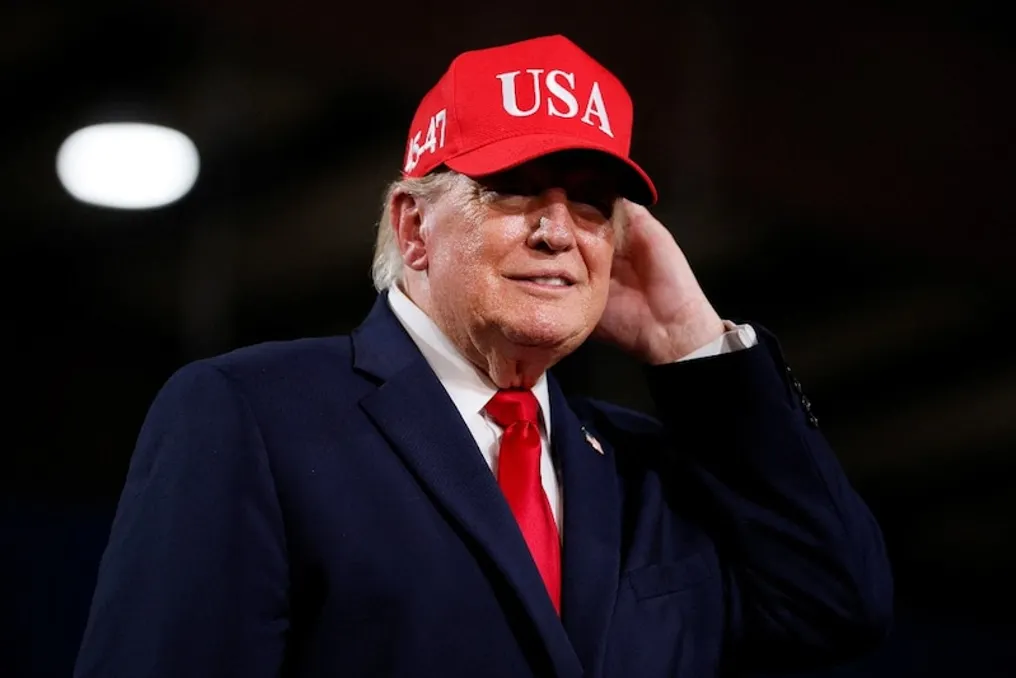
Earlier, Trump defended his decision at the Mar-a-Lago resort in Miami, calling it a 'good decision' for both America and the world. Nevertheless, this decision sparked protests among legislators of both parties—Republicans and Democrats—in the US. Indian-American Senator Ami Bera stated on social media that Trump's move is akin to helping Putin and leaving Ukraine behind. Senator Suchas Subramanian also questioned Trump's stance, noting that the price of Republican allies' negligence is now being paid by America and its partners.