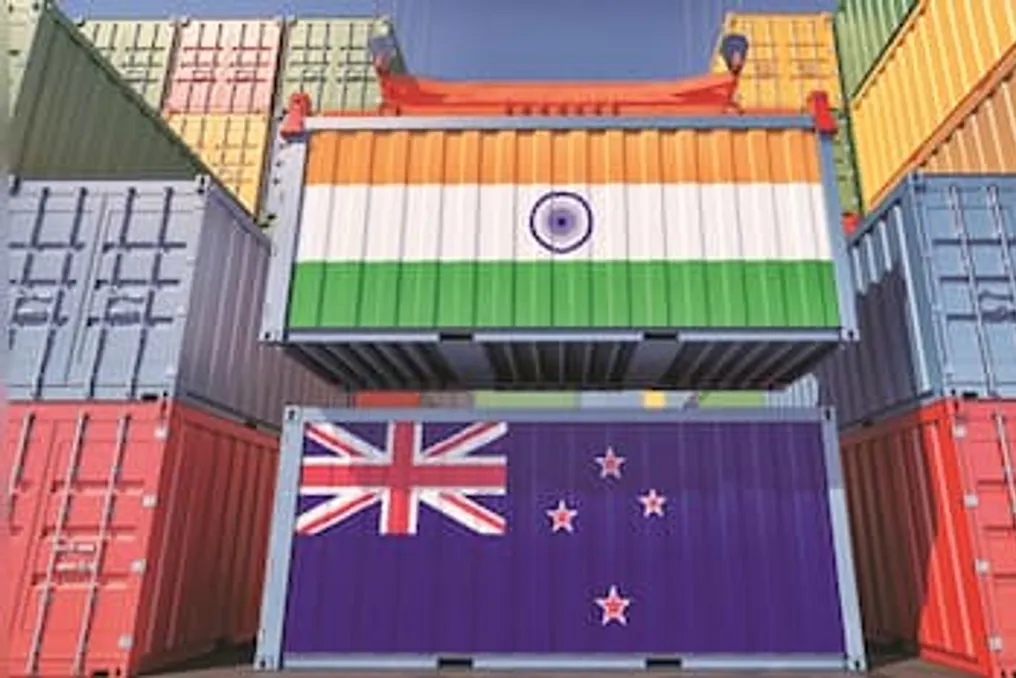
The Free Trade Agreement (FTA) between India and New Zealand, which comes into effect on Tuesday, is intended to expand bilateral trade and support New Delhi's diversification strategy amid geopolitical uncertainty. This pact is India's second trade agreement in the Oceania region following the deal with Australia.
Previously, the annual trade turnover between the two countries remained modest, at around $1.2 billion. Thanks to tariff concessions under the agreement, an expansion of the product basket is expected, as both nations have set a goal to double bilateral trade by 2030.
Negotiations for this pact began between India and New Zealand in March 2025 and concluded in December, making it one of New Delhi's fastest negotiated trade deals. The parties signed the agreement in April of this year.
The agreement grants Indian exports duty-free access to all product lines in New Zealand, covering one hundred percent of export value. New Zealand has provided a zero import regime for Indian pharmaceuticals, marine products, textiles, chemicals, leather and footwear, precious stones and jewelry, as well as electronics. Furthermore, it agreed to abolish duties on engineering goods, plastic articles, and agricultural products.
These concessions come against a backdrop of declining Indian exports to New Zealand for two consecutive financial years. According to the latest data from the Department of Commerce, supplies fell by almost 3 percentage points year-on-year to $192.53 million from April to July.
Additionally, the agreement includes investment commitments from New Zealand amounting to $20 billion over 15 years. In return, India offered customs benefits on 70 percent of product lines, covering 95 percent of the value of New Zealand's exports to India, while sensitive domestic industries are excluded from tariff liberalization. Goods excluded include precious stones and jewelry, copper products, dairy products, vegetables, sugar, and artificial honey.
India also granted conditional concessions on manuka honey, wine, kiwifruit, and milk albumin within Tariff Rate Quotas (TRQs). On Saturday, the Ministry of Finance published the first batch of tariff concessions for goods from New Zealand under the FTA. Preferential rates applicable to products such as wine, manuka honey, kiwifruit, and lamb will take effect on Tuesday.
According to the notification, batches of kiwifruit valued at $2.50 per kilogram or more will be subject to a Basic Customs Duty (BCD) of 15 percent. Milk albumin received a TRQ quota of 200 metric tons with a reduced rate within the quota of 10 percent. Manuka honey valued at $30 per kilogram or more will be subject to a concessional BCD of 51 percent, subject to certification by the New Zealand Ministry of Primary Industries. Corresponding batches were granted a TRQ of 40 metric tons.