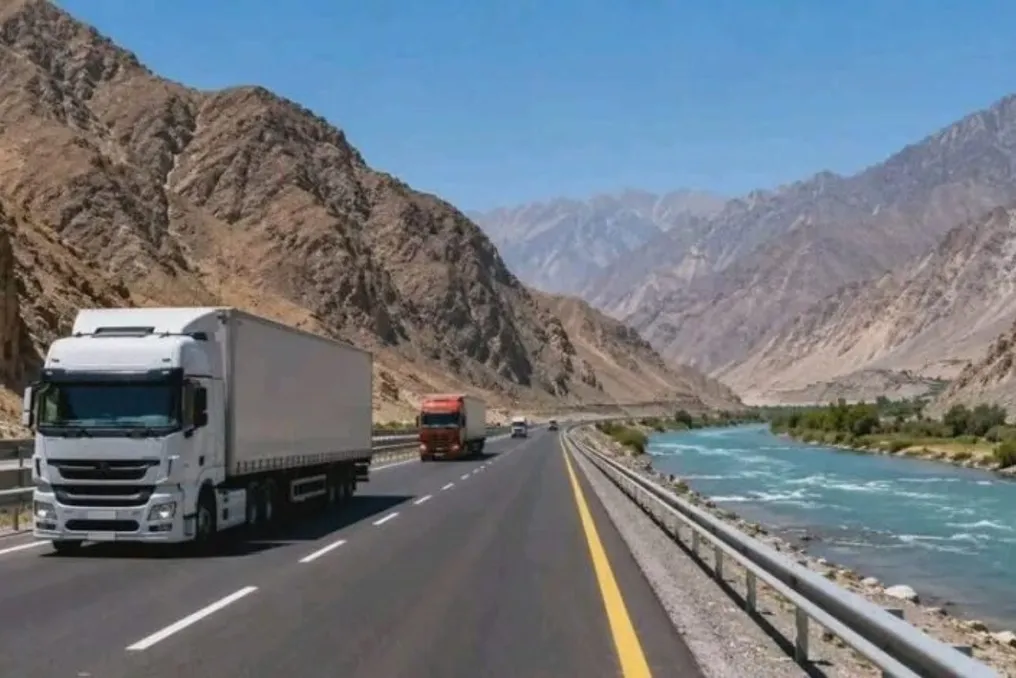
The Deputy Head of the Trade Promotion Organization (TPO) reported that cooperation between various sectors and the creation of new infrastructure and transport corridors helped preserve part of the country's trade potential, allowing economic activities to continue.
According to Mehr News Agency, Amir Roshanbakhsh, Deputy for International Business Promotion at the Iranian Trade Promotion Organization, noted that under current circumstances, the main problem for Iran's foreign trade is the transportation and movement of goods along export and import routes. This problem has intensified following the blockade.
He specified that during the past year, about seventy-five percent of the country's turnover was conducted through the Arabian Sea and the Persian Gulf. The initial assessment suggested a complete loss of this potential due to the imposition of the blockade, but statistics for the first six months of the year disprove this assumption.
Roshanbakhsh, speaking about efforts to maintain the flow of foreign trade, emphasized that despite the preservation of some potential thanks to new corridors and infrastructure, the current difficulties in foreign trade are not solely caused by crisis conditions. He believes they stem from decision-making policies and the approach to economic management—problems that existed even under normal conditions but became more noticeable during the crisis period.
In another part of his speech, Roshanbakhsh addressed the role of economic associations in advocating for the interests of the private sector. He stated that associations have been formed to protect the rights of various economic guilds and groups, and they can act as the voice of the private sector.
Referring to the over hundred-year history of the Iranian Chamber, he added that the country's private sector parliament is capable of functioning as an intermediary and facilitator between the government as the legislator and economic entities, promoting more effective interaction between them.
In Roshanbakhsh's opinion, strengthening the role of economic associations can contribute to increasing the participation of the private sector in decision-making and regulation processes, as well as reducing negative government interference in economic life.
In conclusion, regarding the legal capabilities of economic associations in the country, he stressed that current legislation in this area possesses sufficient capacity. The Iranian Chamber, playing an advisory role and dealing with matters related to associations, can create a foundation for strengthening these organizations and more effectively reflecting the demands of the private sector.