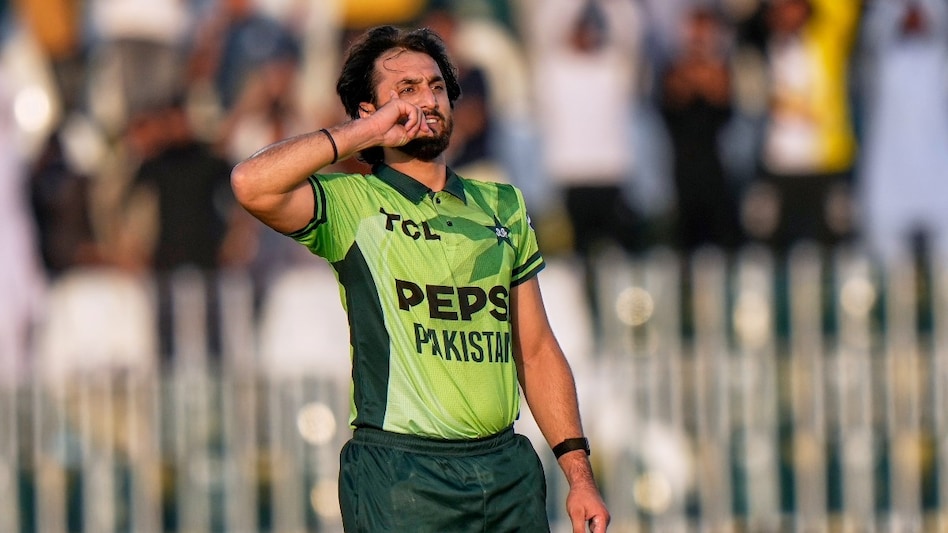
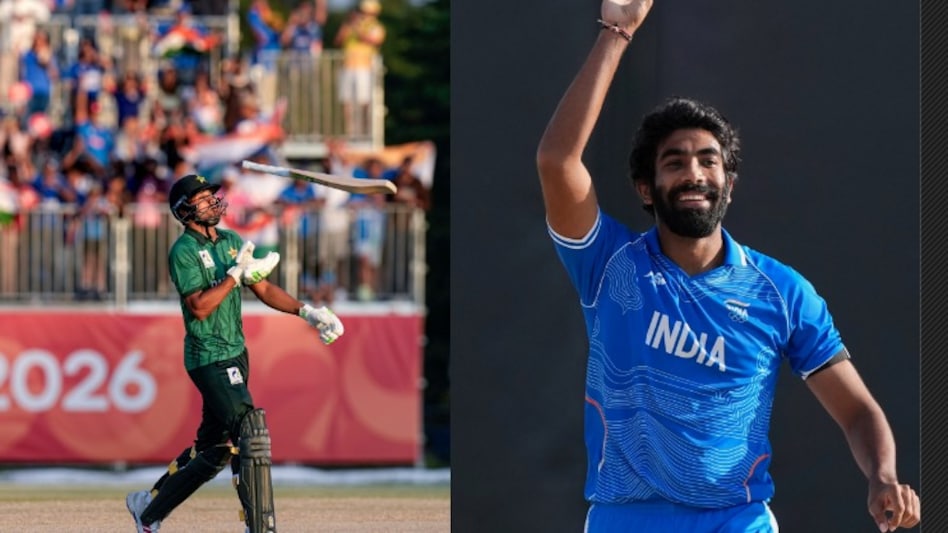
The Indian team secured a spot in the Asian Games 2026 final by defeating Pakistan 4:3. Following this, India won the gold medal by beating Malaysia 5:1.
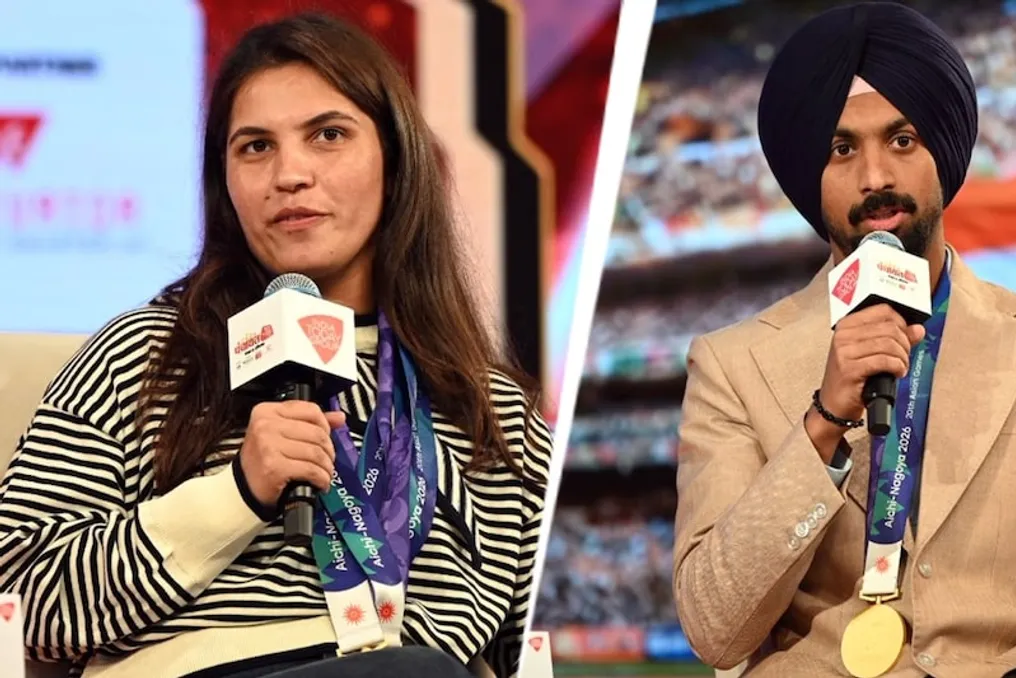
During the intense match against Pakistan, the Indian team had to play with only 10 players. In the session 'When We Played With All Our Hearts' on the program 'Haryana Panchayat Aajtak' on Thursday (October 8), hockey player Hardik Singh shared details of this match and also spoke about the pressure associated with the Asian Games. Archer Niru Danda also participated in this session.
Hardik recounted that the match against Pakistan was extremely tense. India led 3:1 at halftime, but after one of the players received a card, the team started the game with ten men. Pakistan capitalized on this advantage and equalized the score to 3:2.
Tension was visible on the field between the Indian and Pakistani players. A dispute arose involving player Dilpreet, after which the captains of both teams separated their athletes. The referee showed Dilpreet a green card, which temporarily reduced the number of players on the Indian team.
According to Hardik, the team was somewhat shaken at that moment. Although there is a sense of national pride in matches against Pakistan, professional hockey players must ignore such emotions. He emphasized that the team relied on its preparation, the coach's tactics, and mutual trust.
Hardik also mentioned that the team believed they could score a goal even in the last 40 seconds of the match, similar to how they might win two medals at the Olympics. This confidence materialized on the field, and India won 4:3. Hardik admitted that this is why the match became a strong and memorable semi-final.
Hardik stated that he had never felt as much pressure in his eight years of career as he did at the Asian Games. Over the past four years, Indian teams have shown an impressive winning streak against Asian rivals. This streak of about 30 matches increased expectations for both the team and the fans.
Furthermore, the team experienced a disappointing performance at the World Cup. It was a huge challenge to prepare physically and mentally for the Asian Games just two weeks after the World Cup. Hardik explained that the World Cup required two years of preparation, and they needed to win gold at the Asian Games within just two weeks to qualify for the Olympics.
In his opinion, it was impossible to restore physical fitness to peak condition in such a short time. There was also psychological pressure, as much was expected from Indian hockey. Nevertheless, the team enjoyed this period and focused on the goal of winning gold in the second consecutive Asian Championship.
Archer Niru Danda was also present during this session. 26-year-old Niru from Haryana won the gold medal in the individual women's trap event at the Asian Games, scoring 28 points. This marked India's first women's gold medal in this sport.
About a month before the Asian Games, Niru won gold at the ISSF World Cup, scoring 121 out of 125 points. She became the first Indian woman to achieve such a result at this level. Niru stated that the level of the ISSF World Cup can be considered equivalent to the Olympic level because world Olympians and champions participate there.
According to Niru, her success was the result of two or three years of hard work. She reached the finals multiple times, but her goal was always to win gold. To cope with the pressure, she changed her training process, practicing amidst crowd noise to maintain focus on the process despite distractions during shooting.
She noted that maintaining stability of body and mind is critical in shooting. People say that the mind should be completely empty during shooting, but she couldn't do that. Therefore, she started training along with her thoughts.
The medal table also increases pressure on athletes. Hardik reported that in major tournaments like the Asian Games, the question of medals is constantly in the athletes' minds. The hockey tournament runs from the very beginning to the last day. During this time, when Indian athletes win medals in other sports, there is joy, but also the thought of when India will secure a medal in hockey on the medal table.
Niru also mentioned that when results in rifle and pistol shooting did not meet expectations, the pressure on the shotgun team increased. On one hand, they bore the responsibility of winning medals for the country and family, and on the other, their own expectations.
Both athletes emphasized that even small things matter to athletes: sleep, nutrition, hydration, and thoughts that arise during the match can affect the result.