The African Union's public health agency announced the dispatch of technical and logistical assistance to strengthen Kenya's response to the Ebola outbreak, following the confirmation of four new cases. With these new records, the total number of infections in Kenya has reached seven, one of which was imported from the Democratic Republic of Congo (DRC).
In a statement released this Saturday, the Africa Centres for Disease Control and Prevention (Africa CDC) reported that they are collaborating with the Kenyan government on crucial aspects of the emergency. The focus is on epidemiological surveillance, technical coordination, risk communication, and community engagement.
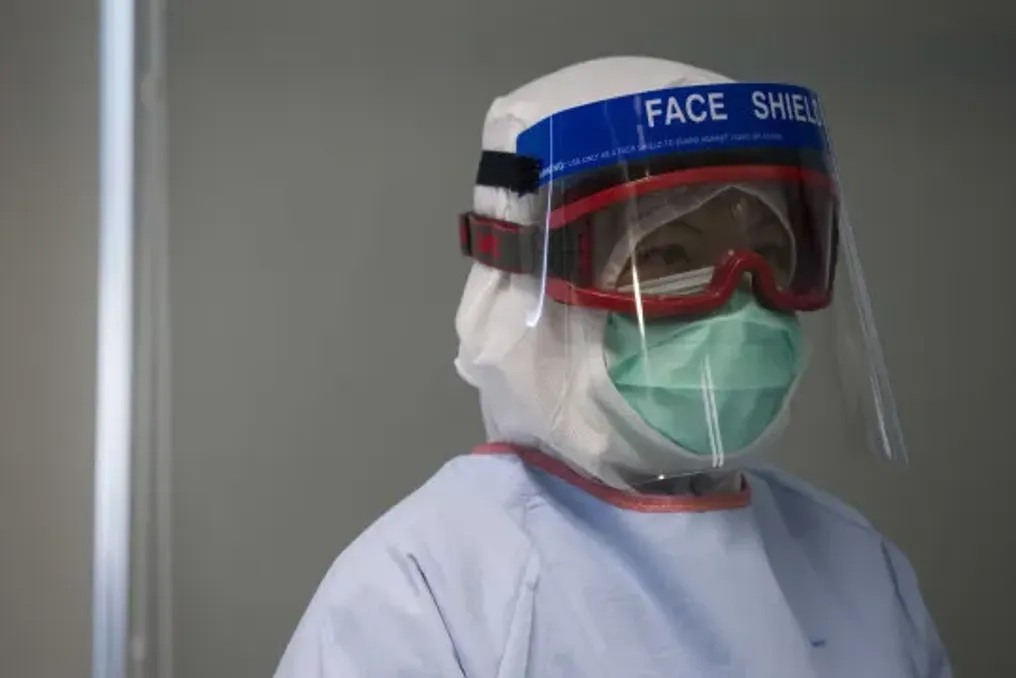
The continental health body emphasized the urgency of providing protective equipment to healthcare professionals working on the front lines. This is because three of the four new infected individuals were healthcare workers who provided assistance to the individual classified as 'patient zero' in the hospital.
Africa CDC stressed the importance of intensifying infection prevention and control measures, ensuring healthcare workers have 'adequate protective equipment, training, and continuous support.' Given the progression of the epidemic in the DRC, the origin of the first case detected in Kenya, the organization reaffirmed its commitment to intensifying cross-border surveillance and early detection among member states, aiming to contain viral spread regionally.
For its part, the Kenyan Ministry of Health stated in a document that the risk to the general population remains low, as there are 'no evidence of community transmission of the disease.' It was noted that out of the 130 people who came into contact with 'patient zero,' 128 (98.5%) were traced and quarantined, exceeding the global target of 85% for contact tracing, which is essential to interrupt the chain of transmission.
Kenya had confirmed its first imported Ebola case on October 5: a 40-year-old man who had resided in the DRC for the past seven years. This 'patient zero' received treatment in several Congolese hospitals before traveling overland to Kampala and subsequently flying from Uganda to Nairobi, arriving on October 3 and dying two days later. Since then, health authorities have initiated contact tracing to locate individuals potentially exposed to the virus during the patient's travel and treatment.
Kenya became the fourth country to report a case related to the Ebola epidemic in the DRC, joining Uganda, France, and the Netherlands. Furthermore, Ebola also spread to Uganda, where the World Health Organization (WHO) declared the end of the outbreak on August 26, after accounting for 20 confirmed cases, including 15 imported from the DRC, and two deaths.
The epidemic in the DRC is cited as the second deadliest in world history, having caused 9,277 confirmed cases, including 4,478 deaths, according to the latest report from the Congolese government.