Chittorgarh Fort in Rajasthan: A History of Rajput Bravery and the Legend of Princess Padmavati
Read more
Aaj Tak
www.aajtak.in

Chittorgarh Fort in Rajasthan: A History of Rajput Bravery and the Legend of Princess Padmavati

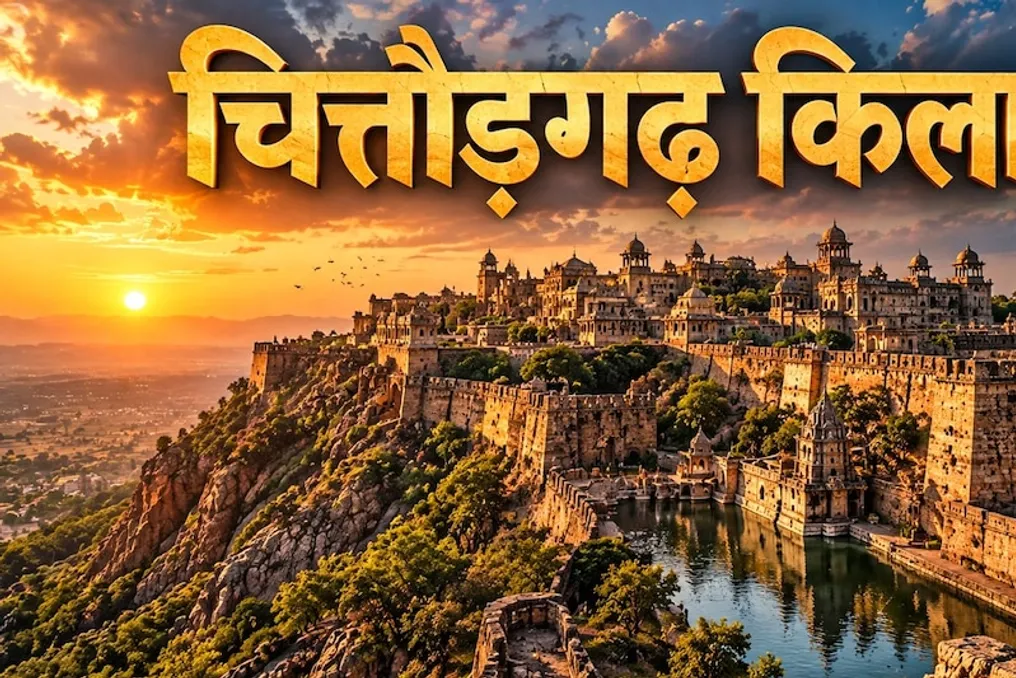
Rajasthan is known for its historical forts, palaces, and tales of valor. Chittorgarh Fort is also famous for its grandeur and rich history. This fort is associated with the stories of Princess Padmavati and King Rawal Ratan Singh. Interest in this fort increased after Sanjay Leela Bhansali's film 'Padmavat'. This massive fort, situated on a hill, encompasses the history of the Rajputs, magnificent architecture, and numerous historical monuments. Those interested in history or planning a trip to Rajasthan should include Chittorgarh Fort in their travel itinerary.

Chittorgarh is among the largest forts in India. It covers an area of about 700 acres and is built on a high hill. It is believed that its construction began around the 7th century during the Maurya rulers. To reach the fort, one must travel along a winding road featuring seven entry gates, which were historically used for security purposes.

In the past, the fort housed numerous water bodies, some of which remain today. These water bodies testify to the significant attention paid in ancient times to the collection and management of water resources within the fort.

The name Chittorgarh is linked to the story of Princess Padmavati or Padmini. According to folk legends, she was the wife of King Chittor Rawal Ratan Singh. It is said that the ruler of the Delhi Sultanate, Alauddin Khilji, attacked Chittor, and the desire to capture Princess Padmini was the cause of this conflict.

Nevertheless, there are disagreements among historians regarding the history of Princess Padmavati. The most well-known literary mention of her is found in Malik Muhammad Jayasi's work 'Padmavat', written around 1540. This work was created a considerable time after the reign of Alauddin Khilji, so many parts of this story are viewed as folklore rather than historical fact.

The Palace of Padmini is one of the main attractions in Chittorgarh Fort. It is a three-story white palace located near the lotus pond. It is believed that the current building is a later reconstruction of the old palace. According to legend, it was here that Alauddin Khilji saw the reflection of Princess Padmini in the water, after which he attacked Chittor to seize her. Although there are disagreements regarding the historical evidence of this story, the Palace of Padmini remains popular among tourists.

The fort features two famous towers: Vijay Stambh and Kirti Stambh. Vijay Stambh was erected by the Mewar Maharana Kumbha in the 15th century to commemorate his victory over the Malwa Sultan Mahmud Khilji. Its carving and structure make it a distinctive feature of the fort. Kirti Stambh, on the other hand, is a historical monument associated with Jain Hinduism. It is believed to have been built in the 12th century, and its delicate carving is worth noting.

During a visit to the fort, visitors can see places such as Rana Kumbha Mahal, the Temple of Peace, Kumbhashyam Temple, Kalika Mata Temple, and Gaumukh Kund. Rana Kumbha Mahal is among the main historical buildings of the fort. The Temple of Peace is associated with the poetess Mirabai and the god Krishna. Locals consider Gaumukh Kund sacred.

While walking through the fort, one can observe ancient temples, stone carvings, and echoes of Rajput-era architecture.

According to history, Chittorgarh Fort was subjected to three major attacks. The first attack was carried out by Alauddin Khilji in 1303. Later, in 1535, the fort was attacked by the Gujarat Sultan Bahadur Shah. The third major attack occurred in 1567–68 during the time of Mughal Emperor Akbar. During these attacks, events of Jauhar and Saka related to the fort are mentioned. During Jauhar, women collectively sacrificed themselves, while Saka meant that men went to war. These events form a tragic part of the fort's history.

How to get there: From Udaipur to Chittorgarh, it takes about two hours by car. Buses are also available from Jaipur, although the journey will take longer. Chittorgarh railway station connects to many cities across the country; before traveling, check train information and schedules on the IRCTC website. By car, the fort can be reached by hiring a taxi or car from Udaipur or surrounding towns.

Best time to visit and important tips: October to March is considered a good time to visit Chittorgarh Fort, as the weather is less hot and walking is easier during this period. In summer, it can be very hot and sunny, so it is recommended to bring water, a hat, and sunscreen. Before visiting the fort, be sure to check the entry times and the light and sound show schedule, as it may change depending on the weather. If you wish to better understand the fort's history and related stories, you can utilize the help of a local guide.

Similar stories

Unique Durga Pandals with Thematic Decorations Presented in Prayagraj
Read more
www.aajtak.in

Unique Durga Pandals with Thematic Decorations Presented in Prayagraj

During the Navratri period, religious fervor reaches its peak across the country, with crowds of pilgrims flocking to both temples and Durga Puja pandals. The city of Prayagraj has become a center of attraction due to its unusual thematic pandals. Some reflect Bengali culture, while others recreate the splendor of the famous Menakshi Temple in South India. Among the exhibits, one can see amazing works created from bamboo and palm leaves, as well as pavilions conveying a patriotic message through images of Mother India and the tricolor.

Pilgrims and tourists travel to Prayagraj from afar to view these pavilions. In the Ashok Nagar area, a pandal was decorated in honor of Bengali identity, using the theme of 'Dhak'—huge traditional drums. The entire pavilion is shaped like a dhaka, inside which stands a majestic statue of Mother Durga. People from the Bengali community perform Aarti to the Mother in traditional attire, offering praise to the sound of the dhaka, creating a unique atmosphere of devotion.

The pandal in Tagore Town is dedicated to the theme of environmental protection. Attractive decorations made of bamboo and palm leaves were used here. Various items related to crafts and rural life, such as pots and handmade goods, were created. This pavilion, made without the use of plastic and artificial materials, impresses visitors who note the skill and imagination of the artists.

The pandal in Darbhanga Colony is stylized after the famous Menakshi Temple from South India. From the outside, the magnificent architecture of the temple attracts the attention of pilgrims. Upon entering, visitors are greeted by beautiful statues of various deities, including Lord Jagannath, Lord Shiva, Goddess Lakshmi, Lord Ganesha, and Goddess Saraswati. The central place in the pavilion is occupied by the majestic statue of Mother Durga, which adorns the entire pavilion, leading to a large gathering of people.

The pandal in Kareli transports viewers to the past, showcasing many antique items that the younger generation is gradually forgetting. A special feature of this pavilion is a vintage car, a manually driven taxi from Kolkata, old teapots, and other historical artifacts from past eras. Pilgrims photograph these old memories and highly appreciate the artists' concept.

Meanwhile, the pavilion in Dhumanganj carries a message of both devotion and patriotism. A pavilion of Mother India has been created here, and the tricolor proudly flies at the top. The sight of Mother Durga alongside Mother India and the national flag fills the pilgrims with a special sense of inspiration. Visitors describe this as a unique fusion of faith and patriotism.

Mewar's Kumbalgarh Attraction: An Ideal Two-Day Trip Alternative to Jaipur and Udaipur
Read more
www.aajtak.in

Mewar's Kumbalgarh Attraction: An Ideal Two-Day Trip Alternative to Jaipur and Udaipur

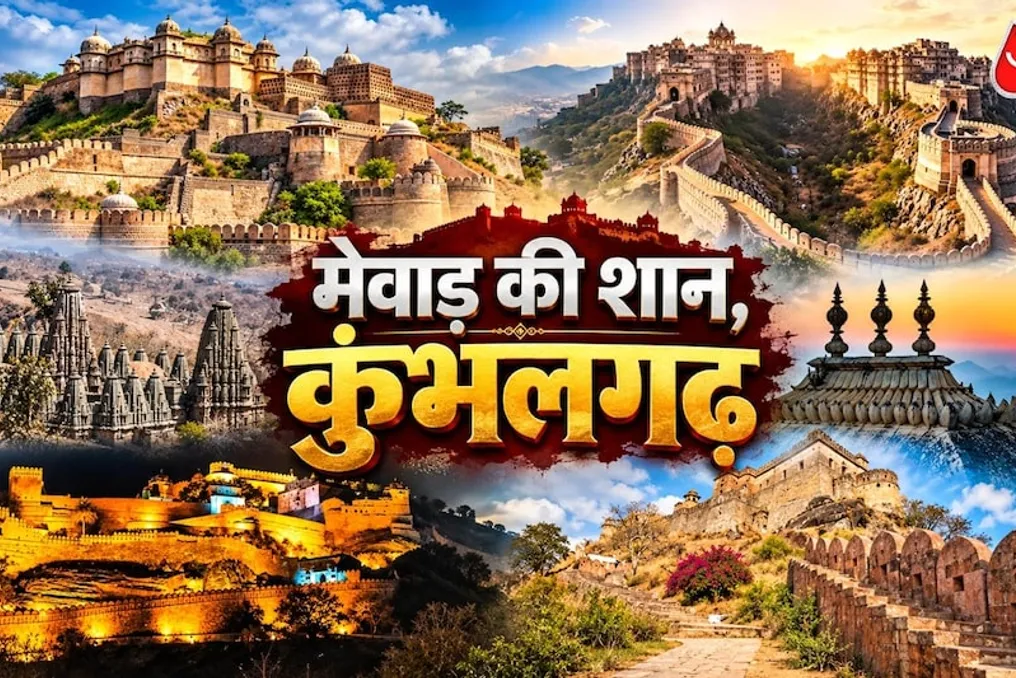
If you are planning a trip to Rajasthan but want to explore something different from popular spots like Jaipur and Udaipur, Kumbalgarh might be the best choice for you. This small town, nestled among the Aravalli hills, offers a wonderful blend of history, nature, and tranquility. Here you can see magnificent forts, ancient temples, lush valleys, and wildlife. Furthermore, visiting Kumbalgarh allows you to experience Rajasthani culture up close. If you are planning a relaxing two-day weekend getaway, you should include Kumbalgarh in your travel list.

Kumbalgarh Attractions

The main attraction in Kumbalgarh is the famous Kumbalgarh Fort. This fort was built by the Mewar ruler Rana Kumbha in the 15th century. Its massive wall, stretching approximately 36 kilometers, is considered one of the longest continuous walls in the world after the Great Wall of China. This makes the place particularly interesting for history lovers. Inside the fort, there are numerous ancient temples and historical buildings that offer picturesque views of the surrounding Aravalli hills.

For lovers of forests and wildlife, it is recommended to visit the Kumbalgarh Wildlife Sanctuary. This area, spread out around the fort, is surrounded by greenery and mountainous landscapes. Here you can enjoy jeep rides, trekking, or horseback riding. During a walk, you might encounter animals such as sambar, nilgai, chinkara, and chausinga.

Not far from Kumbalgarh is the village of Molela, known for its unique terracotta art. Local artisans create beautiful clay figures depicting deities and scenes from folk tales. If you are interested in culture and art, visiting this village can make your trip even more special.

What to try in Kumbalgarh? The cuisine of Kumbalgarh strongly reflects Mewar culture. Here you can taste traditional Rajasthani dishes such as dal bati churma, gatta ki sabzi, pithod ki sabzi, lal maans, and panchmel dal.

Kumbalgarh is located about 84 kilometers from Udaipur. To get there, you can first fly or take a bus to Udaipur, and then travel to Kumbalgarh along the way. The journey from Udaipur to Kumbalgarh takes about two hours. There is no railway station in Kumbalgarh, but it is easy to reach by road.

Where to stay? Various accommodation options are available in Kumbalgarh, from budget hotels to luxury resorts. The peaceful atmosphere and beautiful views of the hills make the stay here special. If you wish, you can also include Udaipur in your trip along with Kumbalgarh.

Historical place names in Lukkov: how such unusual toponyms appeared
Read more
www.aajtak.in

Historical place names in Lukkov: how such unusual toponyms appeared

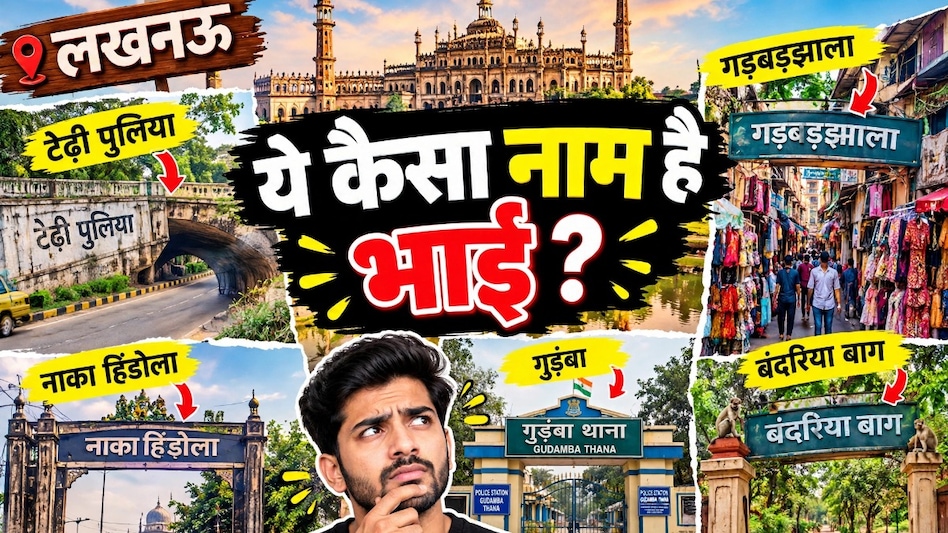
When people hear the name Lukkov, they first think of Navabs, Kababs, Chikankari, and Tahzeeb. However, there are also places in this city with very peculiar names that make one wonder about the origin of these toponyms. For example, if someone suggests going to 'Tedhi Pulia' or 'Gadabdhala,' a natural question arises about the reason for such a name.

Furthermore, Lukkov features names such as 'Naka Hindola,' 'Bhutnat,' and 'Bandiria Bagh.' Some of these names bring a smile, others surprise, and a third hold stories of the old urban past and local identity. It is noteworthy that many of these places retain their significance in the modern identity of Lukkov.

Mentioning Tedhi Pulia inevitably raises the question of why the bridge received this name. Today, Tedhi Pulia is not just an old bridge but a well-known intersection and neighborhood in the northern part of the city. Its name is connected to a formerly existing curved or crooked pavement, which was a characteristic feature of this location. Although the surrounding area has changed greatly over time, the name remains the same, preserving the memory of its original appearance.

As for Gadabdhala, whose name can be amusing in itself, its history is different. The Gadabdhala market in Aminabad is still operational. This area is known for its narrow and winding streets where numerous shops are located, especially those selling artificial jewelry and small items. It is assumed that the tangled network of streets and stalls gave this place the name Gadabdhala, which largely corresponds to the image painted by the name.

Naka Hindola is also of great interest from the perspective of its name. The word 'Hindola' itself arouses curiosity. According to local history, in ancient times, people who made and managed traditional swings were present in this area. These swings played an important role in festivals and fairs, which formed the recognition of the area as Naka Hindola. Although the old swings may be absent today, the name Naka Hindola continues to be used in the city, and the historical Gurdwara is also an important part of this location.

The name Bhutnat might suggest some gloomy place, but this is not the case. In Indira Nagar, Lukkov, there is the Bhutnat market and temple. This name comes from one of the names of Lord Shiva—Bhutnat, and has no relation to mystical stories. Today, this place combines market activity and religious significance, and the Lukkov metro station is also named after it, turning a religious name into part of daily urban life.

Bandiria Bagh is also among the interesting names of Lukkov. The name evokes associations with monkeys and an old garden. Information about the old districts of Lukkov links this name to the nearby zoo and the monkeys living there. Due to widespread use in local speech, 'Bandiria Bagh' has become a recognizable feature of this area, reflecting the characteristics of Lukkov itself.

The history of these places shows that the true essence of the city is determined not only by large buildings and monuments but also by the names of its streets, markets, and quarters. Tedhi Pulia reminds of the old bridge, Gadabdhala—of the tangled alleys of the market, Naka Hindola—of the ancient swings, and Bhutnat—of religious traditions. Although the external appearance of many of these places has changed, their old names remain known to the residents.

Thus, the next time someone asks to go to 'Gadabdhala' or 'Tedhi Pulia,' one should understand that behind these unusual names lies the own history of this old city.

Popular