Use this heating coil to heat water; the plastic tub will not burn
Read more
Aaj Tak
www.aajtak.in

Use this heating coil to heat water; the plastic tub will not burn

During cold weather, people often use heating coils to warm up water. This significantly simplifies the process. However, many heating coils do not have a suitable stand for installation in a tub. Because of this, the coil may not be properly secured, which creates a risk of the tub falling. Furthermore, the lack of safety features sometimes exposes people to the risk of electric shock.

Nevertheless, a heating coil equipped with multiple safety features is presented. Its features and methods of use are described next.

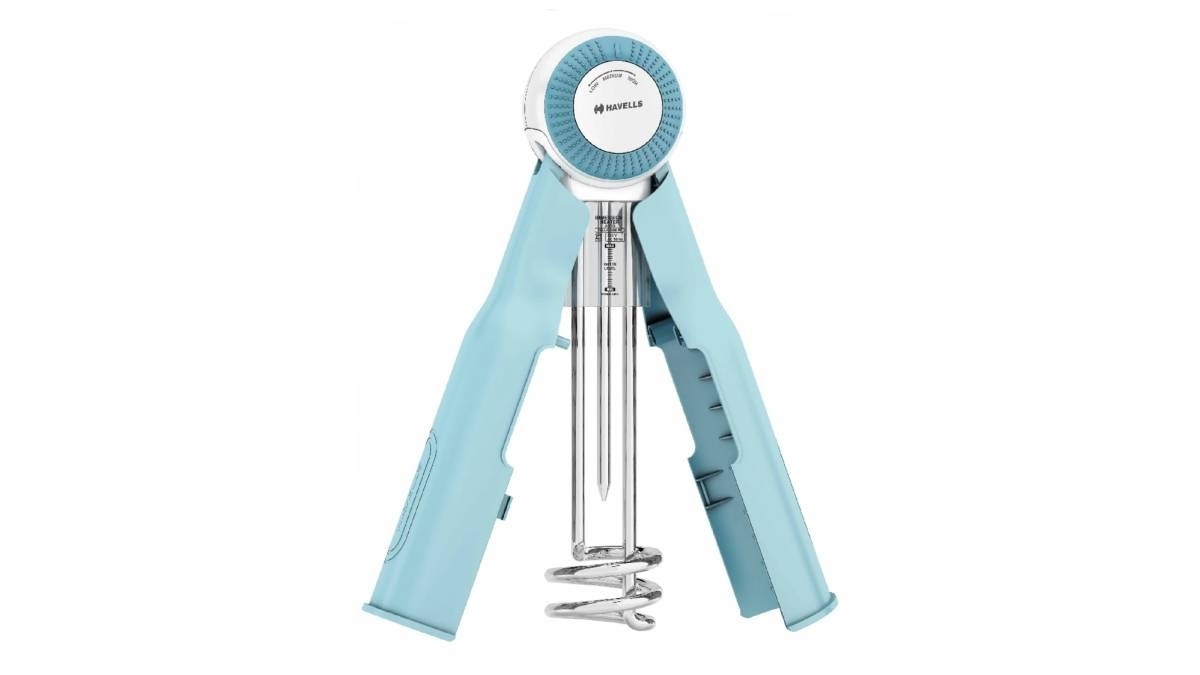
The HAVELLS ZELLA heating coil has a power of 1500 watts. It is equipped with a copper tube and a tubular heating element. According to the company, this heating element helps heat the water. The presence of nickel plating helps reduce the problem of corrosion.

While some cheaper models available on the market may have issues with rust and long water heating times. If the heating coil works incorrectly, heating the water may take longer.

This heating coil includes features such as an impact-resistant design and a protective touch cover. It is also equipped with a smart switch and a heating indicator. Additionally, it has an automatic shut-off function and temperature setting.

The automatic shut-off function is very useful. This does not mean that you can leave the coil on and leave. It is extremely important to turn off the electrical switch after the water has heated up. Caution should always be exercised during use.

One of the features of this heating coil is its design. It has a hook that allows it to be attached to the edge of the tub. This helps to securely fix the coil in the desired place.

The attached cover is designed not to cover the heating element, but to ensure safety. Complete preservation of the plastic tub cannot be guaranteed. Therefore, before use, be sure to read the product instructions and securely fasten the coil to the edge of the tub.

First, fill a sturdy tub with the required amount of water. Then, use the hook to correctly place the heating coil in the tub. It is important to ensure that the heating element is submerged in the water, while the plug, cord, and electrical connection are kept away from the water.

After that, turn on the electrical power. As soon as the water heats up, first turn off the switch and unplug the cord from the socket. Only after completely disconnecting the electrical connection should the coil be removed from the water.

It is necessary to remember that you must not touch the switched-on heating coil or put your hands in the water. Keep children away from it. Despite having an impact protection feature, the electric heater should not be used without due caution. Always follow the safety instructions specified in the manufacturer's manual.

Similar stories

How to properly use a water heater in winter to save electricity and get hot water
Read more
www.aajtak.in

How to properly use a water heater in winter to save electricity and get hot water

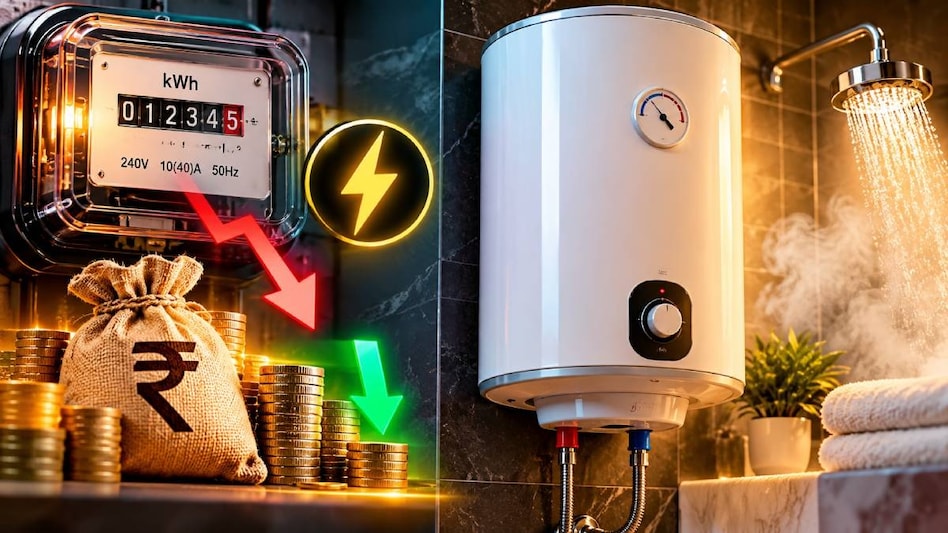
A water heater becomes a necessity in every home during the cold weather because it simplifies the process of heating water. However, despite its simplicity of use, careless handling can lead to increased electricity bills. Applying several simple methods allows you to get hot water while saving electricity.

Setting the correct temperature

People often raise the water heater temperature to get hotter water, which leads to increased electricity consumption. Therefore, the temperature should be set according to actual needs. Usually, a temperature of 50 to 55 degrees Celsius is sufficient for daily use; this will heat the water while avoiding overheating.

Turning it on 15-20 minutes before bathing

Some users turn on the water heater right before showering, which may require waiting for it to heat up. Others leave it on for a long time. It is better to give the water heater enough time to heat the water, as some models require 15 to 20 minutes. After the water has heated up, the appliance must be turned off.

Do not leave the water heater on unnecessarily

It is crucial to use the water heater wisely to save electricity. If the water is already heated and you do not need to use it immediately, you should turn off the appliance. You should avoid leaving it on for extended periods, as this will help reduce electricity consumption.

Do not ignore leaks

Sometimes leaks can occur in the tank, pipes, or connections of the water heater. This leads to the loss of hot water and forces the water heater to reheat the water, which increases electricity consumption. If you notice water dripping from the water heater or a leak in the pipes, you cannot ignore it. A check and repair must be carried out in a timely manner if necessary.

The importance of timely maintenance

With prolonged use, mineral deposits, known as scale, can accumulate inside the water heater. Additionally, thermostat problems can also cause difficulties in heating water. To prevent these malfunctions, it is necessary to regularly maintain the water heater. If the water heats up too slowly or the water heater operates incorrectly, you should consult a technician for inspection.

Choosing a water heater according to household needs

If you plan to purchase a new water heater, you should pay attention to its power rating. Many buyers choose models with excessive capacity, even if their home does not require such a large amount of hot water. This can lead to the consumption of excess energy when heating water. Therefore, the water heater should be chosen based on the number of people in the house and the daily hot water needs. Choosing the correct power helps control energy consumption.

Ways to Keep Water Warm in a Tank: How to Prevent Water Cooling During Winter
Read more
www.aajtak.in

Ways to Keep Water Warm in a Tank: How to Prevent Water Cooling During Winter

As the cold weather sets in, the water in rooftop tanks becomes very cold early in the morning. Using such cold water for washing, rinsing, or laundry causes a chill. Constantly running water heaters increases electricity bills, and heating water with an immersion heater takes a long time. There is a simple and inexpensive folk method that allows you to keep the water in the tank warm without increasing electricity costs or using water heaters.

When the temperature drops at night and cold winds blow, the plastic tank loses heat, and the water cools down significantly. To avoid this, you can insulate the tank externally using styrofoam or burlap. A detailed method for implementing this clever folk trick is presented below.

Necessary Materials and Procedure

For insulation, you will need: 2-3 sheets of styrofoam (or old sacks from straw/mattresses), one large canvas or black polyethylene sheet, strong rope or reinforced tape, and an old thick blanket or sack to cover the tank lid.

To properly insulate the tank, wrap it externally with 2-3 layers of styrofoam or old sacks. Styrofoam serves as an excellent insulator, preventing contact between the tank and frosty air. Next, secure the styrofoam or sacks around the tank using reinforced tape, and then tie them around the perimeter 3-4 times with strong rope so that the structure does not come loose in strong winds.

A large piece of black polyethylene or canvas must be placed over the insulation. This will protect the styrofoam and burlap from getting wet due to rain or dew. Since most heat loss occurs through the lid, it should be covered with an old sack or fabric, and a small piece of styrofoam should be placed on top and secured.

Furthermore, water in pipes often freezes. Therefore, it is necessary to wrap the pipe connections leading from the tank in polyurethane insulating material or old sacks, securing them with tape. Thanks to this method, the water in the tank will not come into contact with frosty air during the night. In the morning, when the tap is opened, the user will receive normal and slightly warm water instead of icy water, making bathing comfortable.

Popular