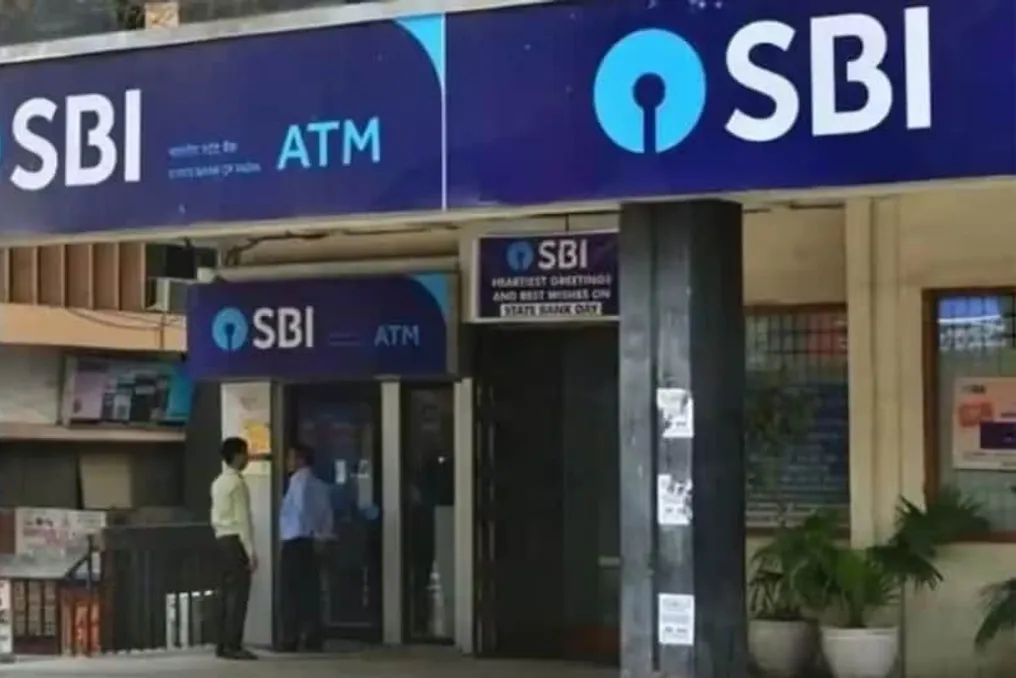
Following the increase in the repo rate by the Reserve Bank of India (RBI), the State Bank of India (SBI) has announced an increase in home loan interest rates. Due to this hike, customers will now have to pay more. It is possible that the loan tenure may be extended or the Equated Monthly Installment (EMI) may increase.
This interest rate hike does not apply to all types of loans, as the State Bank of India has implemented it by increasing its External Benchmark Linked Rate (EBLR) and Repo Linked Lending Rate (RLLR). This means that only customers who take loans linked to these benchmarks will see an increase in borrowing costs. SBI's revised EBLR-linked interest rates became effective from October 15, 2026.
The impact of this change will depend on the outstanding principal, the applicable interest rate, and the remaining tenure. Even a minor increase of 0.25 percentage points can increase the repayment burden on long-term loans, making it extremely important for borrowers to calculate their loans.
Currently, the interest rate on regular home loans ranges between 7.50% and 8.80%, while the rates for Home Loan MaxGain are between 8% and 9.30%. Additionally, interest rates on top-up loans are between 8% and 10.75%, and the rates for top-up overdraft loans are set between 8.50% and 11.25%.
According to BankBazaar, an increase of 25 basis points has been analyzed regarding how it might affect outstanding home loans ranging from ₹30 lakh to ₹1 crore. If the interest rate increases from 8% to 8.25% and the remaining tenure is 20 years, the calculation is as follows:
If a borrower's outstanding loan is ₹50 lakh, the monthly EMI will increase by approximately ₹781 if the remaining tenure remains unchanged. In the case of a ₹1 crore loan, this increase will be approximately ₹1,563 per month. This calculation is based on a 20-year tenure and an 8% interest rate.
When interest rates increase, the borrower can be given two options under the bank's terms: either extend the repayment period while keeping the existing EMI constant, or increase the EMI while keeping the remaining tenure the same. Keeping the monthly installment stable can provide immediate relief in monthly cash flow, although a longer repayment period generally implies paying interest for more months. On the other hand, if the borrower can afford it, increasing the installment can help limit additional interest costs.
Borrowers should carefully evaluate their monthly income, necessary expenses, emergency savings, and other debt obligations before making any decision. Those with sufficient financial flexibility can consider the increased EMI, while borrowers facing cash shortages should discuss the various options available from SBI.