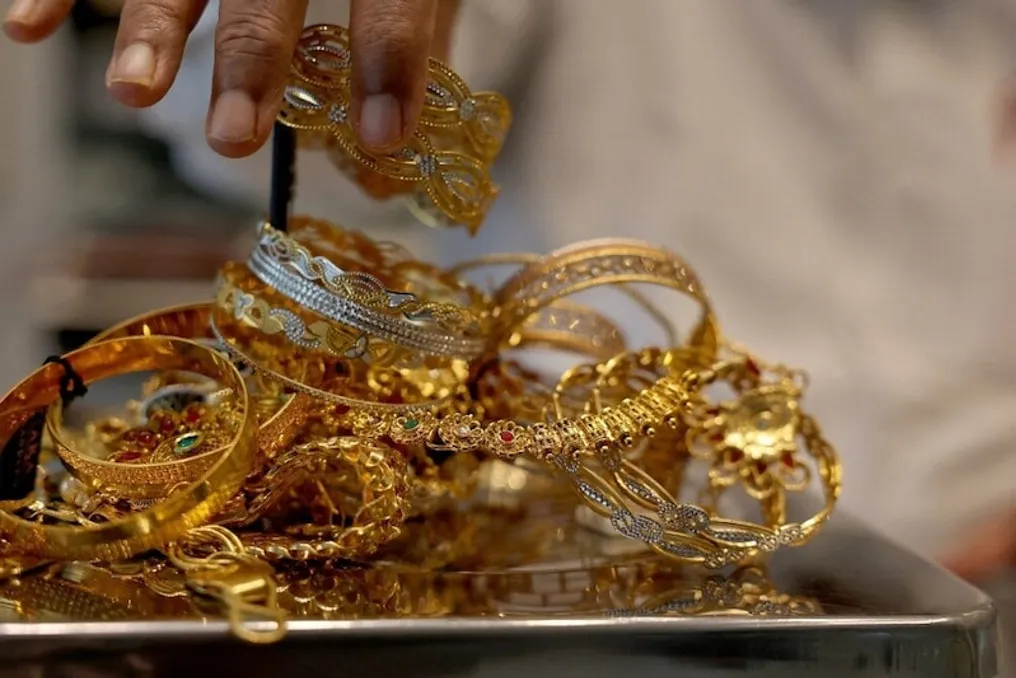
When an unexpected financial need arises, people often take out a gold loan by pledging gold to a bank or financial company. Although this seems like a simple option at first, concern arises if an EMI payment is missed, fearing that the bank will confiscate the pledged jewelry. The good news is that the pledged jewelry is not automatically sold after missing one EMI. However, if the debt grows, the situation can become serious. Therefore, it is important to understand what happens when payments are delayed, what procedures are applied before an auction, and what can be done to recover the jewelry.
There is no single answer as to whether the gold will be sold after missing two, three, or six EMIs. This depends on your credit agreement, payment terms, the status of the debt, and the rules applicable to the lender. To understand the risks of a gold loan, you must study the payment deadlines and the bank's policy. The time of sale is not determined solely by the number of overdue EMIs. Therefore, if you have missed one or two EMIs on a gold loan, do not ignore it. The sooner you contact the lender to repay the debt or arrange a payment plan, the better.
In the first 1–30 days after a payment delay, the lender may take various actions. The bank or financial company may remind you of the payment via phone, SMS, or app. Penalties for late payment or other fees may be charged according to the credit agreement. During this period, you should clarify the outstanding amount and the payment date.
If the EMI is overdue for approximately 30–90 days, you may receive a reminder or a written notice. The lender may send a notification demanding repayment of the debt or outlining further actions regarding the loan. If it is not possible to repay the full amount at once, request written payment options from the lender.
If the EMI is overdue for 90 days or more, your credit account is declared a Non-Performing Asset (NPA) according to applicable rules. The lender may initiate recovery proceedings. The risk of selling the pledged gold increases, but the process and timeline for the auction will comply with relevant rules and the credit agreement. It is important to remember that NPA status and the sale of gold are two different events; simply reaching 90 days does not mean automatic sale of the jewelry.
The sale of gold under a gold loan should not happen at the lender's discretion. They are obligated to follow applicable rules, their approved norms, and the procedure established in the credit agreement. Before the auction, conditions for providing notifications and important information may apply. During the auction process, notifications and public announcements are crucial. Nevertheless, it cannot be assumed that the same notification period applies to all banks and financial companies.
It is necessary to check the current directives of the Reserve Bank of India (RBI) regarding gold and silver as collateral, as well as the official terms of the lender. If you receive an auction notice, carefully read the date, the outstanding amount, the payment method, and the procedure for filing objections mentioned therein. If you find any discrepancies in the information, request a written clarification from the lender.
If the pledged gold has not yet been sold, contact the lender to inquire about the debt repayment and jewelry release procedure. The total amount due may include not only the principal debt but also interest and applicable fees. Missing one EMI does not mean that the old debt will disappear on its own, even if the next payment is made on time. For example, if the June EMI was not paid, but the July and August EMIs were paid on time, the June debt may remain unpaid.
Therefore, do not rely solely on making the next payment on time, assuming your account has returned to regular status. Request written information from the lender regarding the total debt and the necessary payments to normalize it. The situation regarding receiving the jewelry may change after the auction concludes. Therefore, if you have received an auction notice, it is crucial to contact the lender immediately.
Suppose the value of your pledged gold is assessed at 300,000 rupees, and the loan debt is 220,000 rupees. If the auction is conducted at a price of 270,000 rupees in accordance with applicable rules and valuation, then after deducting the debt and applicable fees, about 50,000 rupees will remain from the sales proceeds. In such a situation, the additional amount should be returned to you according to applicable rules, not kept by the lender. The actual calculation will depend on the auction price, current debt, interest, and legal fees. Keep in mind that this is just an example for explanation; the value of your gold, the minimum auction price, and the final payment may differ.
If you have taken a loan against gold, check not only the current EMIs but also the history of missed payments. If you face difficulties with payment, inform the bank or financial company in advance. Clearly ascertain the total debt, interest, fees, and payment deadline. When receiving a notice, carefully examine the timelines and payment options. Keep records of receipts, SMS, emails, and conversations with the lender. If a resolution cannot be found with the bank or financial institution, first use their complaint resolution system. After that, approach the RBI's complaint channels according to your qualification and applicable procedure.