Researcher calls for deeper understanding between religion and music in Iran
Read more
Tehran Times
www.tehrantimes.com

Researcher calls for deeper understanding between religion and music in Iran

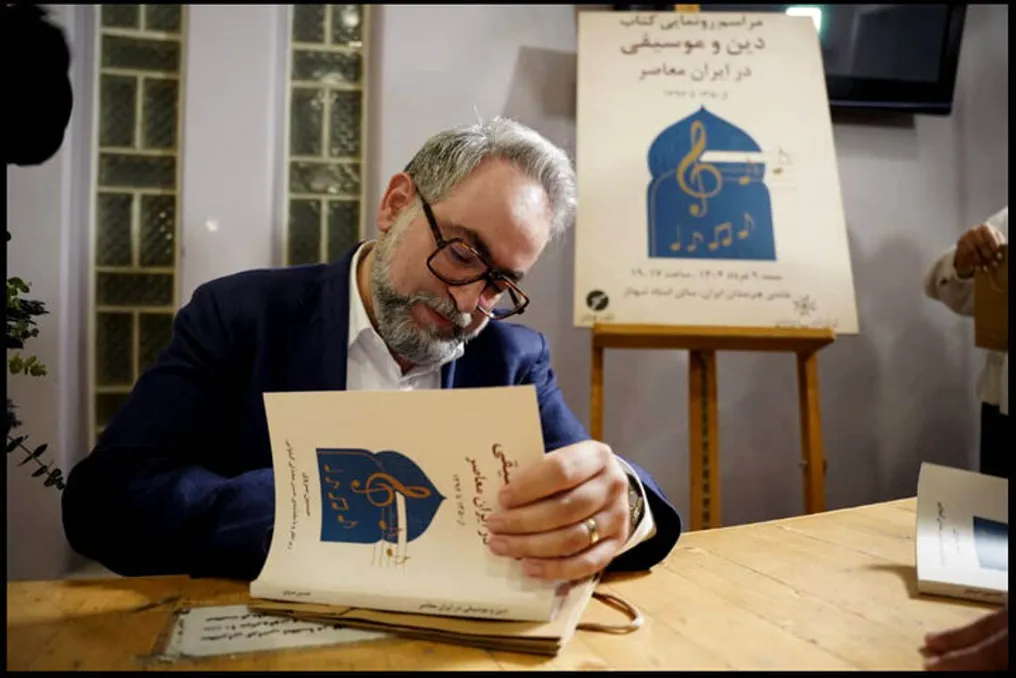
Cultural sociologist Hossein Sarvi argues that a deeper understanding of the link between religious institutions and art is crucial for resolving long-standing issues related to music in Iran. He emphasizes the need for conscious dialogue and a review of institutional relations.

In an interview with Mehr News Agency, Sarvi, author of the book 'Religion and Music in Modern Iran,' which analyzes the historical and social aspects of this topic, noted that some contradictions between religion and music arise not from fundamental conflicts, but from insufficient understanding of the nature, functions, and sensitivity of these two fields.

The main goal of his research was to improve what he calls 'mutual institutional literacy' between religious structures and the sphere of art. This concept implies the ability of each organization to better understand the internal logic, objectives, requirements, and concerns of the other, which opens possibilities for more informed and realistic interaction.

Sarvi believes that the relationship between religion and music in Iran remains an important topic for cultural and social discussions. He added that issues concerning the ties between religious and artistic institutions, cultural policy regarding music, as well as the scope and methods of official intervention, continue to require reflection and scientific discussion.

In the researcher's opinion, examining these issues solely through a historical lens overlooks their relevance to contemporary Iranian society. He believes that a more comprehensive understanding of these spheres can help move discussions beyond simplistic interpretations and stimulate more constructive participation.

Sarvi also stressed that academic works should not be judged solely by publishing market standards. He noted that highly specialized scientific works are usually aimed at a more limited audience than popular literature. For him, a more significant indicator of a study's impact is its ability to enter academic debates, attract the attention of scholars, and contribute to ongoing intellectual discourse.

He expressed hope that his book will reach a wider readership, especially university students, researchers, cultural policymakers, and anyone interested in interdisciplinary studies. Sarvi added that further discussion of the topics raised in the research can contribute to a deeper understanding of the relationship between religion and music in Iran.

Furthermore, Sarvi highlighted the role of institutions responsible for presenting and promoting scholarly publications, stating that creating and issuing research is only part of the process of knowledge generation and dissemination. He believes that efforts to ensure the accessibility of such works to the wider public are no less important for strengthening their position in academic and cultural life.
Similar stories

Iran and Syria jointly inscribed the tradition of making and playing the oud on the UNESCO Intangible Heritage list
Read more
www.tehrantimes.com

Iran and Syria jointly inscribed the tradition of making and playing the oud on the UNESCO Intangible Heritage list

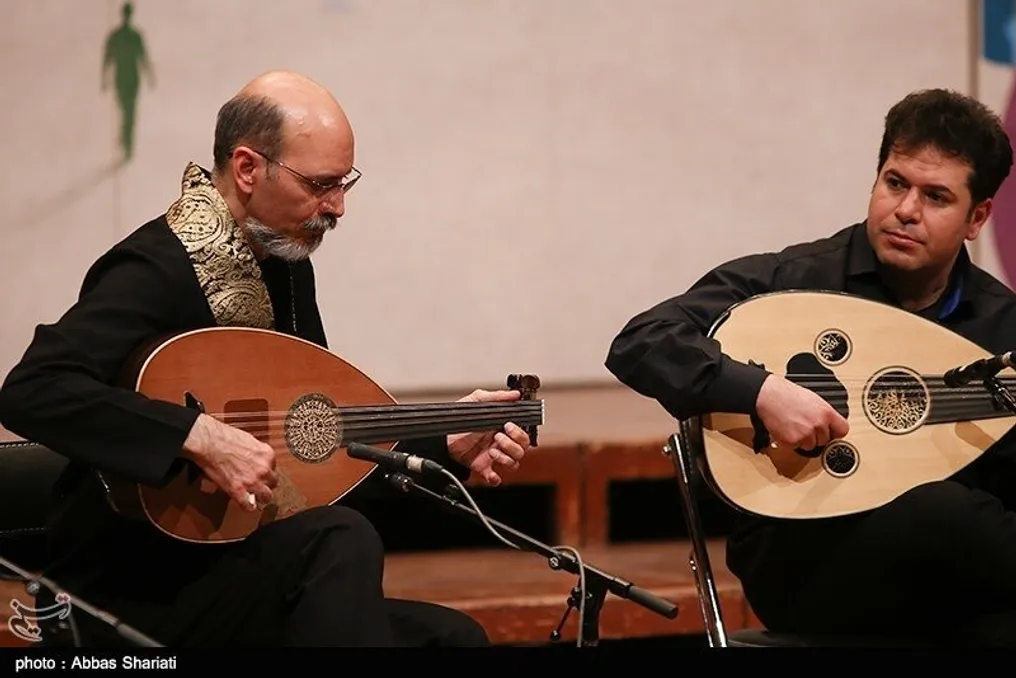
The oud, a stringed instrument with a characteristic pear-shaped body and resonant melodies, has long been part of the musical traditions of Iran and the wider West Asian region. The mastery of its creation and performance, passed down through generations of masters and musicians, received international recognition in 2022. Iran and Syria jointly inscribed this tradition into the UNESCO List of Intangible Cultural Heritage of Humanity.

This inscription was adopted at the 17th session of the Intergovernmental Committee for the Safeguarding of the Intangible Cultural Heritage, held in Rabat, Morocco, from November 28 to December 3, 2022. Thanks to this addition, the number of elements of Iran's intangible cultural heritage increased to eighteen.

The oud is a stringed instrument resembling a lute, known for its warm and expressive sound. Musicians play it by resting the instrument on their leg, using one hand for fingerpicking and the other for plucking the strings. The instrument's ability to create rich melodic and harmonic tones makes it suitable for both solo performances and ensembles accompanying folk songs and dances.

Creating an oud requires patience and specialized woodworking skills. The most distinctive part is the pear-shaped resonator box, which is usually made of walnut wood and plays a key role in shaping the instrument's resonance. According to traditional methods described in Iran's nomination, making an oud can take about 25 days, including stages of wood preparation and processing. Water and steam are used to increase the durability and ease of wood processing.

A typical oud has five pairs of strings, although some variations may include a sixth string. Differences in construction and string tension allow musicians to produce a wide range of timbres and adapt the instrument to various musical styles.

Beyond its physical form, the oud embodies a body of knowledge encompassing material selection, woodworking, instrument construction, and musical performance. Its historical presence is reflected in artistic depictions, literary works, and miniature painting, serving as a testament to its place in the region's cultural memory.

In the southern regions of Iran, this instrument and its associated musical traditions hold particular significance among certain Arab and Bakhtiari communities, especially in the provinces of Khuzestan, Bushehr, and Hormozgan. Oud music is also practiced and valued in other parts of the country, including Tehran, Kurdistan, Shiraz, Isfahan, and Khorasan.

The tradition is maintained through formal education and apprenticeship. Music schools, art centers, colleges, and universities teach oud playing, while experienced performers pass on their knowledge through direct instruction. The making of the oud, traditionally performed mainly by men, is also attracting more women, expanding participation in this craft.

Iran included this tradition in its National Heritage List as early as 2018, before submitting a multinational application with Syria for UNESCO recognition.

The inclusion of the oud in the UNESCO list complements Iran's extensive registry of intangible cultural heritage, which includes Radif Iranian music, Bakshi music from Khorasan, the art of making and playing the kamancheh, the traditional craft of the dotar, carpet weaving, Ta'zieh, Nakkali storytelling, and miniature painting.

The joint recognition of oud craftsmanship and performance underscores the importance of preserving living traditions that transcend national borders. Their continuity depends not only on preserving techniques and instruments but also on ensuring that the associated knowledge, music, and cultural practices remain part of the daily life of future generations.

Popular