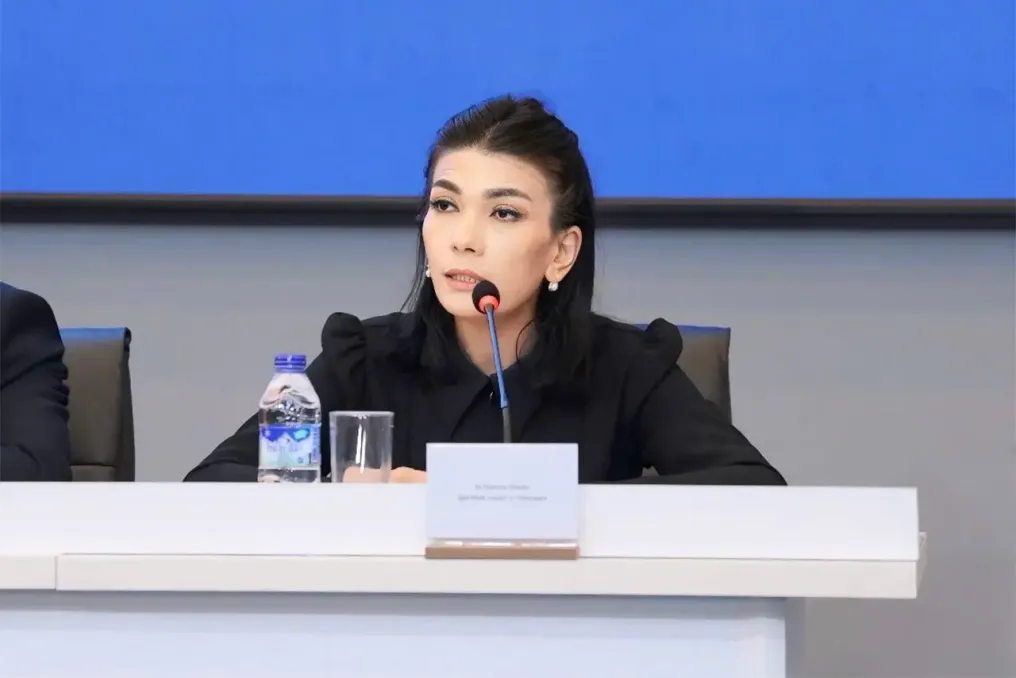
Residents of apartment buildings in Uzbekistan connected to the centralized heating system do not have the right to disconnect their apartments from the general system and install individual gas boilers, stated Ozoda Jurayev, Deputy Minister of Construction and Housing and Communal Services. This restriction has been introduced to ensure the stable operation of building heating systems.
The issue of switching to individual heating was raised at a press conference on October 14 in the context of discussing the proposed increase in tariffs for heating and hot water supply. One journalist cited an example of an 80 square meter apartment in Tashkent, where 60 square meters are heated. According to her calculations, after tariff increases, the monthly heating bill could reach 600,000 soms, and with hot water, 700,000 soms. She asked if residents in such conditions could refuse central heating and install a two-circuit gas boiler.
Jurayev answered that disconnecting residential buildings supplied with central heating from this system is prohibited. She referred to point 88 of Cabinet of Ministers Resolution No. 194 of July 5, 2014, which approves the rules for providing communal services. According to this document, consumers are prohibited from dismantling heating devices in individual residential and non-residential premises connected to the building's general heating system, as well as making unauthorized changes to the heating system or installing additional equipment in violation of established requirements.
According to the deputy minister, interference with common pipes can disrupt heat distribution and reduce the quality of heating in neighboring apartments. Jurayev reported that inspections have revealed cases of unauthorized connections to central heating pipes, conversion of heating systems to underfloor heating, and the dismantling of radiators followed by moving them to balconies. Such modifications, in her opinion, negatively affect the system's performance and the quality of heating in other premises.
Furthermore, the deputy minister reminded about restrictions on connecting new residential buildings to the gas network. Authorities are gradually transitioning to electric or centralized/local heating systems instead of individual gas boilers. In October 2025, former Minister of Energy Yurabek Mirzamakhmudov stated that the issuance of technical permits for connecting new residential buildings to the gas distribution network has ceased where natural gas is intended exclusively for heating and cooking.
Against this backdrop, the authorities are considering the possibility of increasing tariffs for central heating and hot water supply. The Ministry of Construction and Housing and Communal Services proposed raising tariffs for households by an average of 30% starting November 1, 2026. In Tashkent, the proposed heating tariff for Veolia Energy Tashkent clients is 314 soms per square meter of heated area per day, including VAT, compared to the current 241.44 soms. The hot water tariff, including meters, may increase from 8,928.67 to 11,607 soms per cubic meter. For consumers without meters, a monthly tariff of 45,330 soms per person is proposed, excluding the applicable multiplier.
For an apartment with 60 square meters of heated area, heating costs for 30 days will amount to about 565,000 soms at the proposed tariff, compared to approximately 435,000 soms at the current rate. The draft government resolution provides for the revision of heating tariffs in all regions of the country. It also proposes annual indexation in accordance with inflation, starting from 2028, with a limit of 10%. Previously, the authorities aimed to gradually bring household heating tariffs closer to the actual cost of service provision by 2030.